
Search anything about Plant Lighting, Content, and More.
Communément recherché:
NOM SCIENTIFIQUE : Stromanthe sanguinea 'Triostar'
CONNU SOUS LES NOMS : Triostar, Calathea Triostar
CLIMAT (LOCALISATION) : Amérique centrale et du Sud | Tropical et subtropical
DESCRIPTION : Cette plante a une joyeuse couleur rose et verte. Les feuilles sont de couleurs différentes sur chacune. Les gens confondent parfois cette plante avec la Calathea, mais elles sont apparentées. Cette plante peut déplacer ses feuilles de haut en bas en fonction de l'heure de la journée.

Light Requirement: Lumière moyenne (lumière indirecte moyenne) à lumière élevée (lumière indirecte brillante)


Quick Tip: Arrosez jusqu'à ce que l'eau sorte des trous de drainage. Laissez les 2 premiers pouces du sol sécher complètement entre les arrosages.
Preferred Temperature: 65º - 75º
Preferred Humidity: 60 à 70 % ; Humidité élevée
Stromanthe Triostar Lighting Requirements: Lumière moyenne (lumière indirecte moyenne) à lumière élevée (lumière indirecte brillante)

Hauteur de suspension d'Aspect - Stromanthe Triostar
-
Recommandation de Soltech -
24" à 48"
-

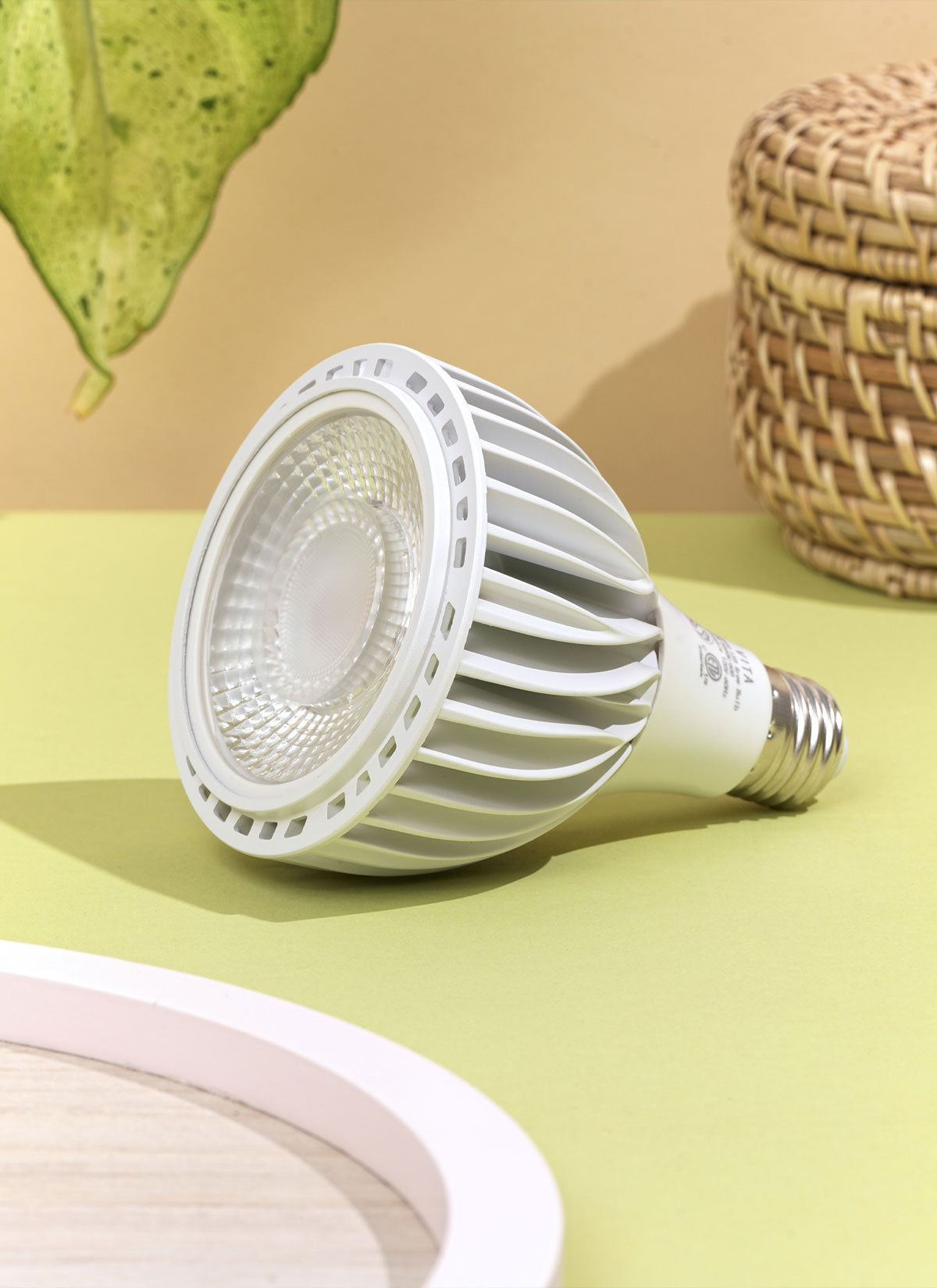
Vita Hanging Heights - Stromanthe Triostar
-
Soltech's Recommendation -
36º Narrow Beam Vita : 24" à 60"
60º Wide Beam Vita : 12" à 36"
-

Highland Hanging Heights - Stromanthe Triostar
-
Soltech's Recommendation -
36º Narrow Beam Highland : 30" à 66"
60º Wide Beam Highland : 18" à 48"
-


Outdoor sunlight peaks at around 10,000 foot-candles, but a well-lit room indoors usually measures under 100. The best grow light for your plant comes down to matching the light's output and form to your plant's light category.

Healthy houseplants depend on 17 essential nutrients, and 14 of them come from the soil in the pot. The best setup for most indoor plants is a loose, well-draining soilless mix paired with a diluted, balanced fertilizer applied only while the plant is actively growing. This guide covers what goes into a good potting mix, how to read a fertilizer label, how often to feed, and how to spot the signs of too much of a good thing.

Plenty of proud plant owners cannot actually name the leafy thing growing on the windowsill. The good news is that you can identify most houseplants by reading five visible clues: leaf shape, leaf arrangement, growth habit, stem or trunk type, and any flowers or markings, then matching those clues against a trusted plant database or free app. Knowing the name is the first step toward giving your plant the right care, especially the right amount of light.


