• Connexion
Recherche Connexion

Search anything about Plant Lighting, Content, and More.

  • Plant Size
  • Groupe de plantes
  • Plant Type
  • Pet Friendly
  • Éclairage
  • Difficulty
Ce guide vous aide à identifier rapidement les besoins d'arrosage, d'éclairage, d'humidité et de température de votre plante d'intérieur et quelle lampe de culture Soltech fonctionnera le mieux pour elle. Explorez et découvrez vos plantes préférées avant d'acheter une lampe.


SOLD OUT
Violette Africaine
$0.00 CAD
SOLD OUT
Palmier d'Aréca
$0.00 CAD
SOLD OUT
Violette Africaine
$0.00 CAD
SOLD OUT
Violette Africaine
$0.00 CAD
SOLD OUT
Palmier d'Aréca
$0.00 CAD
SOLD OUT
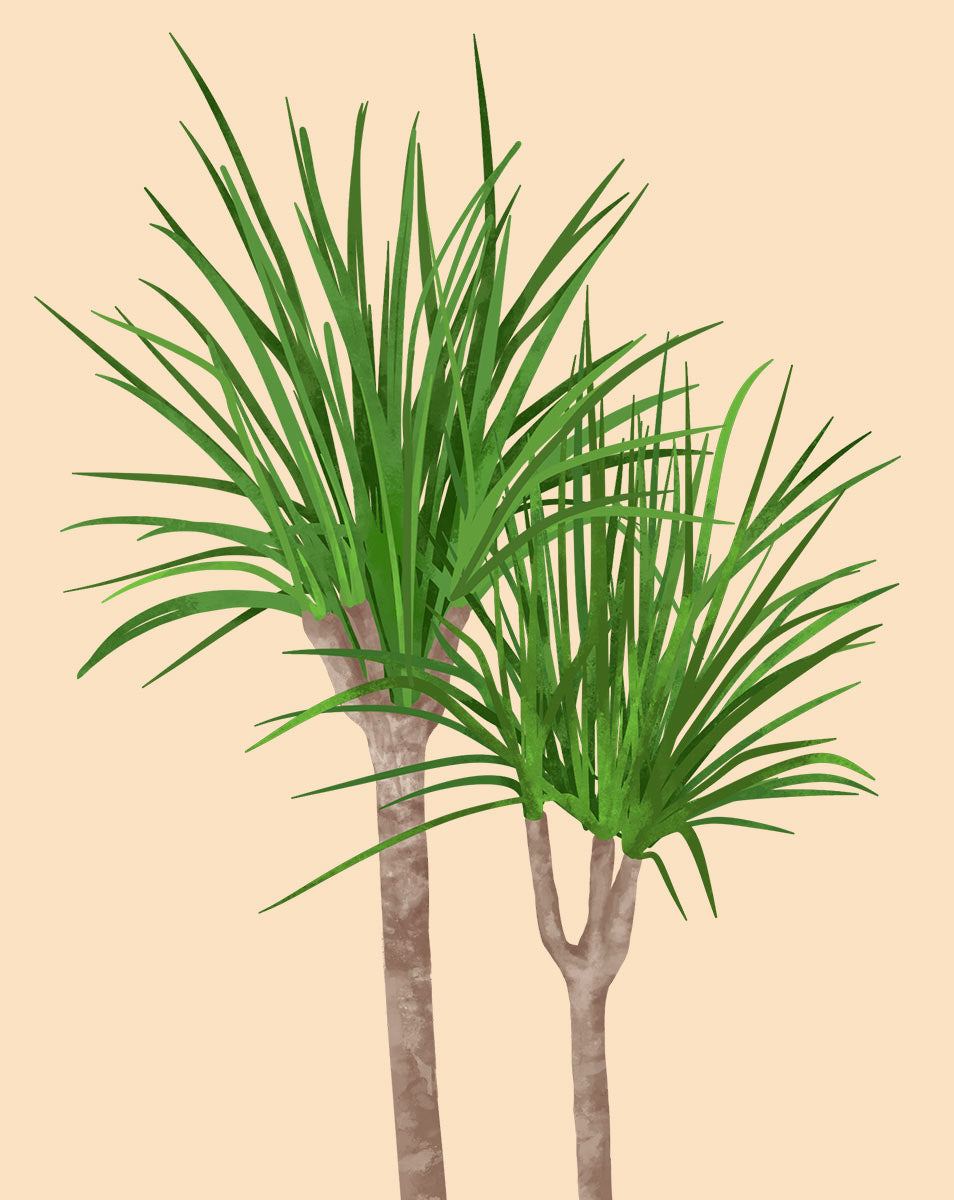
Dragonnier
$0.00 CAD
SOLD OUT
Palmier d'Aréca
$0.00 CAD
SOLD OUT
Violette Africaine
$0.00 CAD
SOLD OUT
Plante serpent
$0.00 CAD
SOLD OUT

Avertissement : Les informations sur la toxicité des plantes fournies sont des lignes directrices générales et ne doivent pas remplacer les conseils d'un vétérinaire/médecin professionnel. Bien que des efforts aient été déployés pour garantir l'exactitude, la toxicité des plantes peut varier en fonction de facteurs tels que l'espèce, la quantité consommée et la sensibilité de chaque animal. Si vous pensez que votre animal a ingéré une plante toxique ou présente des symptômes inhabituels, consultez immédiatement un vétérinaire.

Frequently Asked Questions

Réponses aux questions les plus courantes sur les lampes de culture d'intérieur et l'entretien des plantes d'intérieur

  • General Questions

Some plants that are hardy, and therefore great for beginners include:

Click on any of the plants for all the tips you need to get growing!

  • Arrosage

What is Distilled Water?

Distilled water is water that has been filtered through evaporation and condensation, which removes impurities.

Should I Use Distilled Water?

It depends on the specific plant. Some plants have sensitivities to particular minerals & chemicals in tap water, which can make distilled water a better option. However, using distilled water can introduce nutrient deficiencies to your plants, so it's important to closely monitor your plants if you use distilled water.

What Plants Prefer Distilled Water?

Some plants include:

  • Calathea
  • Maranta (Prayer Plant)
  • Aloe
  • Areca Palm
  • Cast Iron Plant
  • Dragon Tree (Dracaena)
  • Oxalis
  • Parlor Palm
  • Peace Lily
  • Spider Plant
  • Venus Fly Trap

Bien que cela dépende de la ou des plantes spécifiques, la règle générale est d'attendre que les 1 à 2 pouces supérieurs (2,5 à 5 cm) du sol de vos plantes soient complètement secs avant d'arroser à nouveau. Arroser vos plantes selon un calendrier est une bonne chose, mais décider quand arroser en fonction du sol de vos plantes est généralement une meilleure option. Cela garantit que vous n’arrosez pas trop ou pas assez.

Pour obtenir des conseils sur votre plante spécifique, recherchez votre plante dans le guide ci-dessus !

It's often tricky to distinguish the two. Typically, under watering will cause brown, brittle leaves while overwatering will result in soft, yellow leaves. It's important to note that the symptoms for overwatering are similar to not supplying enough light, and the symptoms of underwatering are similar to not supplying enough light.

Overwatering

If you believe you overwatered your plant, first check the bottom of your planter for drainage. If there none to little drainage there are two options:

  1. Let your plant dry out and transfer it to a planter with ample drainage.
  2. Drill drainage holes in the bottom of the existing planer, if possible.

Underwatering:

If you believe you underwatered your plant, you should immediately water the plant. Additionally, you should consider shortening the time between waterings, and/or begin watering your plant more throughly.

  • Éclairage

The hanging height of your grow light depends on 1) the lighting requirements of your plant(s), 2) which Soltech grow light you're using.

To determine the proper hanging height, scroll up, select a plant, and scroll down on the respective plant page to the 'Hanging Heights' section. Here, the hanging heights will be listed for each Soltech grow light.

Grow Guides:

Aspect Grow Guide

Grove Grow Guide

Highland Grow Guide

Vita Grow Guide

Quick Answer: Indirect light refers to natural sun light that is bouncing off a surface, while direct sun is light absorbed directly from the sun.

How does this work with natural sun light?

With natural sun light, indirect light can be obtained by using sheer curtains, or any other object to filter the light coming through your window. For direct light you would simply put your plant in front of south or west-facing window without any objects to diffuse the light.

How does this work with a grow light?

To achieve indirect light conditions with our lights you would still place your plant directly under your light, but increase the lights hanging height above your plant(s). For specific details visit the growing guide for whichever Soltech grow light you have.

Grow Guides:

Aspect Grow Guide

Grove Grow Guide

Highland Grow Guide

Vita Grow Guide

Bright, Direct Light: bright unfiltered sun light from a south or west-facing window.

Bright, Indirect Light: bright filtered sun light from a south or west-facing window.

Medium, Indirect Light: medium bright filtered sun light near a south or west-facing window. To achieve these conditions you would move your plant(s) 1-3 ft away from the window.

Low Light Tolerant: Low light tolerant means the plant will survive in low, indirect light conditions. However, the growth for the plant will likely be limited. Low, indirect light (low filtered sun light) can be achieved by placing your plants more than 3ft from a south or west-facing window.

The lighting conditions of your plant will indicate which window is suitable. The direction the window faces is the biggest factor of the light it provides.

North Facing Window (Low to Medium, Indirect Light): North facing windows are a good option for low light plants such as the cast iron plant.

East Facing Window (Medium to Bright, Indirect Light): East facing windows are perfect for houseplants needing medium to bright, indirect light such as dieffenbachia, croton, and spider plant.

South Facing Window (Bright, Direct Light): South facing windows are best suited for plants needing direct sunlight, such as aloe, African milk trees, and Meyer lemon trees.

West Facing Window (Bright, Indirect Light): West facing windows are best for plants needing bright, indirect light such as monsteras. If your window is unobstructed (you don't have a tree in front of your window), placing a transparent sheer curtain can help filter the strong direct sunlight in the afternoon.

If you don't have a window capable of giving your plant the proper lighting conditions, you may want to try an LED grow light.


  • Humidité

To increase humidity in your living space for your plants there are a few methods.

1. Use a humidifier

Using a humidifier is the most common and easiest way to increase humidity levels for your plants.

2. Mist your plant(s)

Another popular, and effective way to increase your plants humidity level, is by misting the plant. Regularly misting the leaves of your plants with water helps increase humidity temporarily. Use a fine mist spray bottle and mist the plants in the morning so that the excess moisture can evaporate throughout the day.

3. Use a pebble tray

By filling a tray with pebbles and water, you can create an environment with higher humidity. This works when the water evaporates from the tray over your plant.

4. Place plants near each other

Placing your plants near each other can increase humidity levels through transpiration, which is when plants release water vapor into the air. By clustering your plants together, you create a microclimate where the transpiration from one plant increases the humidity for others nearby.

5. Place your plant(s) in the bathroom

Bathrooms are typically have higher humidity levels than any other rooms in a house so they are excellent for humidity loving plants!

Other Tips:

  • Avoid locating your plant(s) near a dry heat source (air conditioners, heaters, etc.)
  • Use a humidity meter to accurately humidify your plant(s)