
Search anything about Plant Lighting, Content, and More.
Communément recherché:
NOM SCENTIFIQUE : Hedera helix
CONNU SOUS LE NOM: Lierre européen, Lierre
CLIMAT (LOCALISATION) : Europe de l'Est | Tempéré
DESCRIPTION : Le lierre est souvent considéré pour sa capacité à donner un aspect distingué au côté de votre maison ou à envahir toute votre cour. Mais en tant que plante, le bel enchevêtrement de vignes est un ajout bienvenu à toute collection (et beaucoup plus facile à gérer).

Light Requirement: Lumière élevée (lumière indirecte brillante)


Quick Tip: Arrosez jusqu'à ce que l'eau sorte des trous de drainage. Laissez les 2 premiers pouces du sol sécher complètement entre les arrosages.
Preferred Temperature: 50º - 70º
Preferred Humidity: 40 à 60 % ; Humidité modérée
Lierre anglais Lighting Requirements: Lumière élevée (lumière indirecte brillante)

Hauteur de suspension d'Aspect - Lierre anglais
-
Recommandation de Soltech -
24" à 36"
-

Vita Hanging Heights - Lierre anglais
-
Soltech's Recommendation -
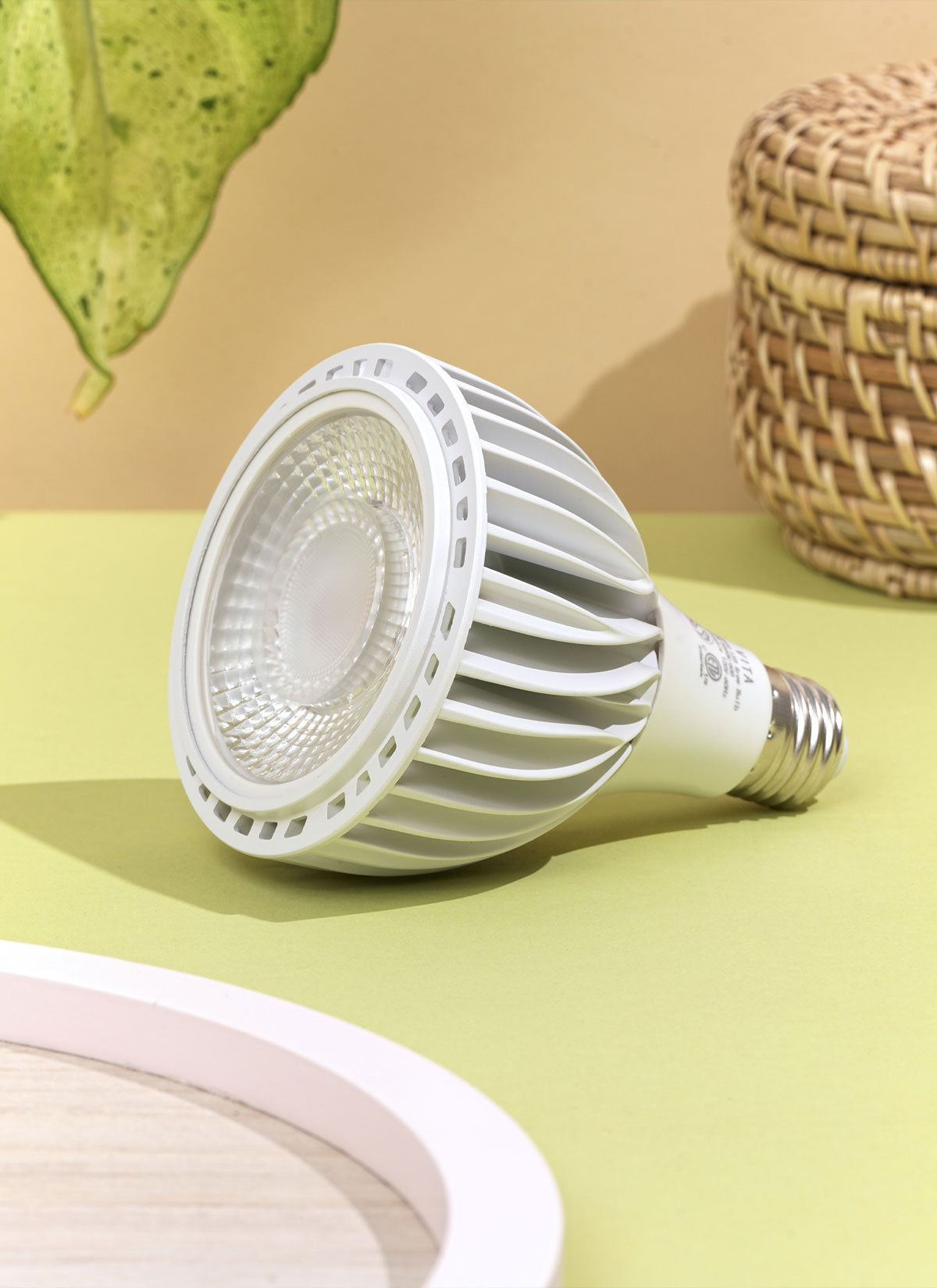
36º Narrow Beam Vita : 24" à 36"
60º Wide Beam Vita : 12" à 24"
-

Highland Hanging Heights - Lierre anglais
-
Soltech's Recommendation -
36º Narrow Beam Highland : 30" à 42"
60º Wide Beam Highland : 18" à 30"
-


A Pink Princess Philodendron isn't the plant you want to experiment on with a pair of dull scissors and no plan. Between the price tag and the fact that its pink coloring can be a little unpredictable, it's fair to feel more cautious cutting into this one than you would a pothos. The good news is that propagating a Pink Princess is genuinely simple once you understand the one thing that trips most people up: the pink pattern on your cutting isn't guaranteed to look exactly like the parent plant.

If your plant hasn't put out a new leaf in a while, or the leaves it is growing are small, pale, and spaced far apart on a stretched-out stem, it can feel like it's just stalled for no reason. It's not. Slow or leggy growth is almost always your plant telling you something specific, and once you know what to look for, the fix is usually simple.

If your Monstera's new leaves keep coming in solid, round, and nothing like the dramatic split leaves you've seen on other people's plants, you're probably wondering what you're doing wrong. Likely nothing. Leaf splitting, technically called fenestration, depends on a handful of specific conditions coming together, and when even one of them isn't quite right yet, your Monstera will keep producing solid leaves until it is.


