

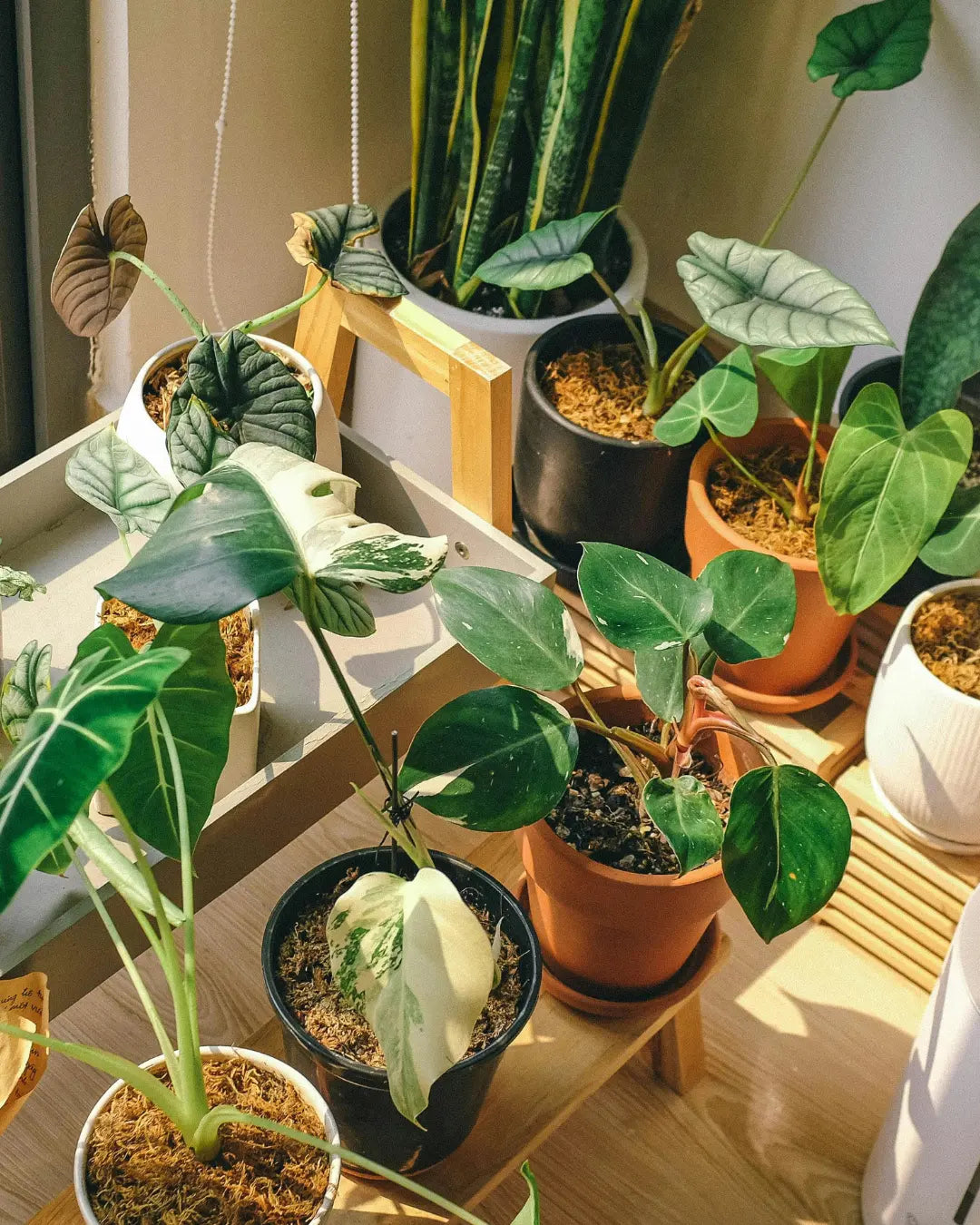
There's a fascinating corner of the houseplant world where passion meets astonishing price tags, and nowhere is this more evident than with Alocasias. These botanical beauties, with their dramatic, often metallic leaves and intricate patterns, are pure living art. But beyond the readily available types, lies a realm of ultra-rare Alocasias that can command hundreds, even thousands, of dollars. If you've ever stopped mid-scroll, jaw-dropped by an Alocasia price, you're about to discover the most expensive jewels of the jungle.
Why Some Alocasias Are Expensive
What makes some Alocasias so unbelievably expensive? It's a blend of unique factors:
-
Rarity & Scarcity: Many top-tier Alocasias are either new discoveries, incredibly difficult to propagate, or possess rare genetic mutations that limit their availability. This limited supply fuels intense demand.
-
Unparalleled Aesthetics: The most coveted varieties boast truly unique features – think vibrant, stable variegation, velvety textures, metallic sheens, or incredibly distinct leaf shapes that stand out from anything else.
-
Cultivation Challenges: Some rare Alocasias are notoriously finicky, requiring very specific humidity, temperature, or light conditions. This challenge adds to their exclusivity and price.
-
Collector Demand & Hype: Like fine art or rare collectibles, trends within the plant community and social media influence create immense hype around certain varieties, driving their market value sky-high.
Crowned Jewels: The Most Expensive Alocasia Varieties
Prepare for some serious plant envy (and maybe sticker shock!) as we look at some of the most sought-after and expensive Alocasia varieties gracing collector's shelves:
Alocasia Azlanii ('Red Mambo')
 Image: Plants Insights
This variety is highly coveted for its incredibly unique dark, almost black leaves with a metallic sheen, dramatically highlighted by vibrant pink, red, or purple veins. Native to Borneo, its relatively recent introduction to the market and its otherworldly appearance contribute to its rarity and high demand. Prices typically range from $100 to $700, depending on size and vibrancy.
Alocasia Frydek Variegated
 Image: Plant Circle
A variegated version of the popular Alocasia Micholitziana 'Frydek,' this plant boasts velvety, dark green, arrow-shaped leaves with prominent white or creamy-yellow splashes along the veins. The striking contrast and rarity of its stable variegation make it highly desirable. Established specimens often start in the hundreds and can easily reach over $1,000. In fact, we found one medium size Alocasia Frydek Variegated selling for $85,000!
Alocasia Nebula 'Imperial Red' / 'Dark Star'

Image: Plantstudio.ae
This rare hybrid commands attention with its thick, rigid leaves, sporting a deep, dark green to almost black coloration on the top, and a stunning reddish-purple underside. Its deeply textured, almost prehistoric look contributes to its sought-after status. This collector's item typically ranges from $150 to $500+.
Alocasia Macrorrhiza Variegata ('Stingray' or 'Lutea' Variegated)

Image: Rob’s Rare Plants
This is the variegated form of a giant Alocasia, known for its huge, glossy leaves. The variegation can appear as dramatic splashes or sectors of white, cream, or yellow, creating a stunning visual impact on a grand scale. Its rarity, impressive potential size, and vibrant variegation make it highly valued, with large specimens commanding thousands of dollars.
Alocasia Reversa

Image: Chlorobase
What makes the Alocasia Reversa stand out is its unique "reversed" variegation, where the veins appear darker than the main leaf tissue, creating an inverted, almost skeletal pattern. This rare trait gives it an incredibly distinct and unusual beauty, making it a prized possession for serious collectors. Prices can be several hundred dollars for established plants.
Alocasia Wentii Variegated

Image: Harmony Plants
The Alocasia Wentii is known for its large, arrowhead-shaped leaves that are glossy green on top and purplish underneath. The variegated form introduces splashes and streaks of white, cream, or yellow onto these already impressive leaves, creating a truly stunning and rare specimen. Its dramatic size potential combined with variegation makes it highly valuable.
Alocasia Jacklyn

Image: Plant Vault
The Alocasia Jacklyn (also known as Alocasia sulawesi sp.) gained rapid popularity due to its strikingly unique, deeply lobed, and textured leaves. Its almost alien-like appearance with prominent veins and a rugged texture sets it apart, making it a highly sought-after plant for collectors. Prices can range from $150 to $500+ for well-established plants.
Final Thoughts: The Rare and Expensive Alocasias
Despite the hefty price tag, rare and expensive Alocasias are beautiful houseplants. They can be tricky to care for, but have intricate details that “wow”. If you do invest in a rare Alocasia, you're not just getting a plant, you're getting something you'll need to really pay attention to and give the right care so it stays happy and healthy— a rewarding challenge many plant-parents love.
Not ready to drop a lump sum on the most expensive Alocasias, but want to discover more plants to add to your collection? Explore our Plant Guide! →


