• Login
Search Login

Search anything about Plant Lighting, Content, and More.

Why Do My Plants Keep Dying?

Why Do My Plants Keep Dying?

If you are a plant owner, you have probably asked yourself this question before. Why do my plants keep dying? If you are a beginner, you have probably wondered this more than once. Plants are a great addition to your home; they are beautiful, provide clean air, and promote wellbeing. It’s important to keep them alive! Although plant deaths are common, they are preventable. If your plants keep dying, here is a quick guide to diagnosing the possible cause of death and growing healthy plants.

Cause of Death: Overwatering

Plants, like people, require water in order to survive. This is a fact that most people know. Something that you may not know is that too much water can be fatal for plants. Often times, people get so excited about their new plants that they water them every day. Although it’s out of love, this actually weakens the roots of the plants and can cause them to turn brown and die.
Rubber Green Fig Plant

Solution:

Every plant needs different care and different amounts of water but a good rule to use is the 1-inch rule. This means that you don’t need to water your plant again until the 1st inch of soil is dry. Simply stick your finger in to test it! If the 1st inch is dry, it’s time to water again. It is also important that the entire pot of soil never gets completely dry, only the 1st inch.

Cause of Death: Drainage Issues

This cause of death is very similar to watering issues. Drainage issues usually arise from improper pots for your plants. If the water you give to your plant has nowhere to drain to, the water will collect at the bottom of the pot and your plant will sit in a little pond of water. This can damage the plant through root rot and cause your plant to die.

Solution:

It is essential to get a pot for your plant that has a drainage hole and a drainage tray. When you water your plant, you will know it has had enough water when the drainage tray begins to fill with water. But don’t stop there! Make sure you empty the drainage tray when all the water has come out because if you don’t, the pond-like impact can still happen which can give your plants root rot.

Cause of death: Not Enough Light

Finding the proper light for your house plants is challenging and can be even more difficult depending on the season or where you live. There are some types of plants that have become very popular house plants because of the small amount of sunlight they require but it is a myth that there are some plants that require zero sunlight.
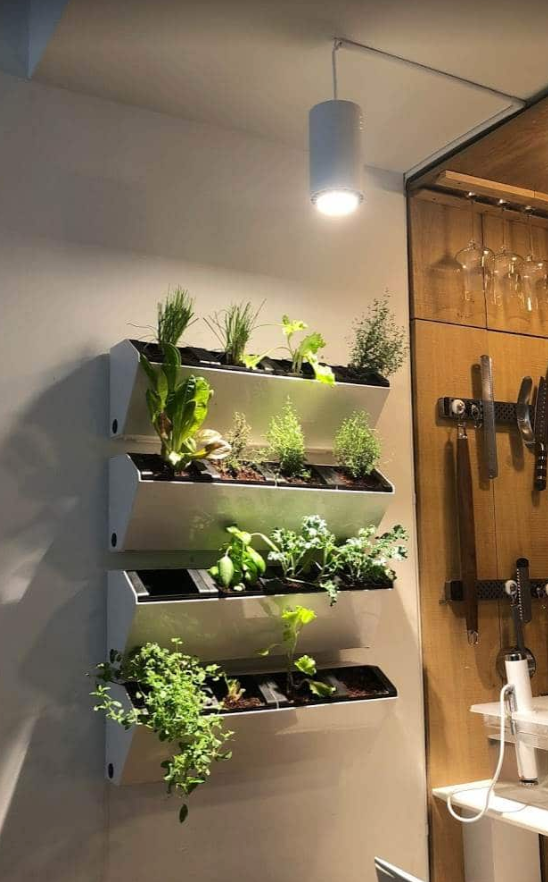
Soltech Solutions Grow Light over an Herb Garden

Solution:

For finding the right amount of light for your plant, the first step is to do research on the specific kind of plant you have. Most plants thrive with 7-12 hours of light per day which can be found in a south-facing window. If your home is not suited for this kind of sunlight, there are artificial lights that will make your plants just as happy! Grow lights are a great solution to getting your plants the amount of sunlight they need.

Cause of Death: It’s Not Dead

Plants and change seasonally and plants can even go through trauma. In both cases, the plant’s appearance may change drastically. The trauma may be caused by moving your plant, exposer to a new atmosphere, or just general change. In these times of change, your plant may look dead, but don’t get rid of it just yet!

Solution:

During these times of plant trauma, it is important to give your plant extra love. Do research on the exact kind of plant it is and see if the change is normal, even some healthy plants may look sick at times. If your plant has recently gone through a trauma, give it time to recover. With some love and care, your plant can return to its happy and healthy self. Sources: OutFrontMagazine GardeningKnowHow TheSpruce

he key to a thriving summer plant collection is simple: match each plant to the right amount of light, water based on how dry the soil is rather than a fixed schedule, and shield sensitive leaves from harsh midday sun. This guide covers which plants love the season, how to water and light them as temperatures rise, how to prevent leaf scorch, and when it makes sense to move plants outdoors.

Good indoor plant design comes down to a few repeatable principles: match each plant to its light, vary height and scale, group in odd numbers, and give every arrangement one clear focal point. This guide breaks those principles down, walks through plant placement room by room, and covers what to do when your best-looking spot does not get enough light.

You've got a pothos on the windowsill. Maybe a snake plant in the corner. And somewhere along the way, you started wondering if there's more to it than that.

There is.

The apartments that feel truly alive, the ones you scroll past on Pinterest and instantly want to live in, aren't just homes with a few plants in predictable spots. They're intentional. A trailing vine above the kitchen cabinets. A lush fern tucked into the bathroom. A sculptural snake plant in the entryway that makes you feel like you've arrived somewhere good.

A lot of those looks are more achievable than they seem. And with the right plant, and sometimes a little help from a grow light, even the darker, more forgotten corners of your apartment can become something worth noticing.

Here are five unexpected places to bring your plant styling ideas to life.