• Login
Search Login

Search anything about Plant Lighting, Content, and More.

Kentia Palm

SCIENTIFIC NAME: Howea forsteriana

KNOWN AS: Kentia Palm, Thatch Palm, Sentry Palm

CLIMATE (LOCATION): Lord Howe Island, South Pacific | Subtropical

DESCRIPTION: The Kentia Palm is a classic indoor palm known for its graceful, arching fronds and elegant appearance. It's a popular houseplant due to its ability to tolerate low light conditions and its low-maintenance nature, making it an excellent choice for adding a tropical touch to any home or office.

Kentia Palm Plant Care

Lighting

Light Requirement: Medium Light (Medium Indirect Light); Low Light Tolerant
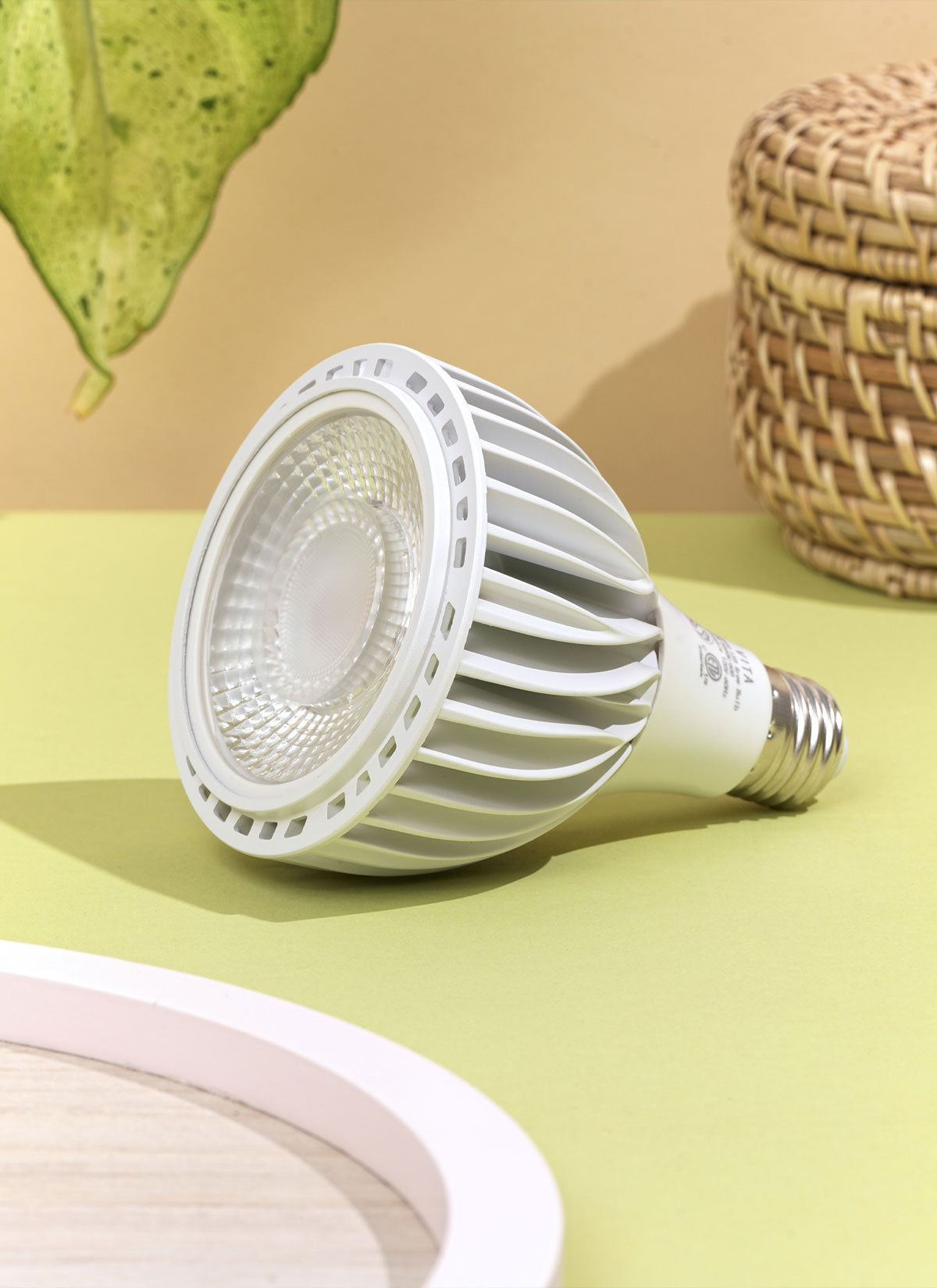
The Kentia Palm is one of the best palms for low light conditions. It thrives in medium indirect light and should be kept away from direct sunlight, which can burn its fronds.

Discover Our Grow Lights

BEST SELLER
Vita™ Grow Light
$121.00 CAD

Color:

White / Wide (60°) Black / Wide (60°)
Highland™ LED Track Light System
$328.00 CAD - $1,053.00 CAD

Color:

White / 1 light / Narrow (36 Degrees) Black / 1 light / Narrow (36 Degrees)
Grove™ LED Grow Light
$185.00 CAD

Color:

Black White

Watering

Quick Tip: Water when the top 1-2 inches of soil are dry.

The Kentia Palm is sensitive to both overwatering and underwatering. Water thoroughly when the top 2 inches of soil are dry to the touch, and allow the excess water to drain from the pot. Be sure to empty the saucer of any standing water to prevent root rot.

Temperature

Preferred Temperature: 65º - 80º

The Alocasia 'Dragon Scale' prefers warm, stable temperatures. The ideal range is between 65-75°F. It is sensitive to cold and should be kept away from drafts and temperatures below 60°F.

Humidity

Preferred Humidity: 40 - 60%; Moderate Humidity

The Kentia Palm appreciates moderate to high humidity. You can increase the humidity around your plant by misting its fronds, using a humidifier, or placing its pot on a tray of pebbles with water.

Additional Plant Care

Propagation
The Kentia Palm is extremely difficult to propagate by home growers and is typically grown from seeds. Propagation from cuttings or division is not a reliable method for this plant.
Toxicity
The Kentia Palm is non-toxic to humans and animals.This makes the Kentia Palm a great choice for households with children and pets.
Repotting
The Kentia Palm is a slow-growing plant that prefers to be a bit pot-bound. Repotting is typically only necessary every 2-3 years. The best time to repot is in the spring or summer. Select a new pot that is slightly larger than the current one and has drainage holes. Use fresh, well-draining soil. Carefully remove the plant from its old pot and place it in the new one, filling in the sides with fresh soil.
Pruning
Pruning is a minimal task for the Kentia Palm. Prune away any brown or yellow fronds as soon as you see them. Use clean, sharp shears to cut the frond off at its base. This helps the plant maintain a tidy appearance.
Fertilizer
The Kentia Palm benefits from regular fertilization during the growing season. A balanced, water-soluble fertilizer diluted to half strength is ideal. Fertilize once a month during the spring and summer growing season. Do not fertilize during the fall and winter.
Soil
The right soil is crucial for a healthy Kentia Palm.The plant prefers a well-draining soil that is rich in organic matter. A good mix is a standard potting soil amended with perlite to improve drainage. Always use a pot with a drainage hole to ensure excess water can escape and prevent root rot.

Hanging Heights

Kentia Palm Lighting Requirements: Medium Light (Medium Indirect Light); Low Light Tolerant

If you have houseplants and a dog sharing the same home, it's worth knowing which plants are actually safe to have around. Some of the most common houseplants, pothos, philodendron, and snake plant among them, aren't fully dog-safe, even though they're some of the most widely sold plants out there.

White fuzz or dark smudges on a terracotta pot are one of the most common things plant owners search for, and the good news is that it is almost always easy to explain and even easier to fix.

Succulents need six to eight hours of bright light a day to stay healthy, according to South Dakota State University Extension, but many of the spots homeowners love to style them, bookshelves, bathroom vanities, dark entryway consoles, fall well short of that. Styling succulents well and keeping them alive both come down to matching the display spot to the plant's actual light needs, not just picking a pretty vessel. This guide covers why succulents have become such a popular decor choice, how much light they truly need, the riskiest styling spots, how to catch warning signs early, and how to keep the look without sacrificing the plant.