• Login
Search Login

Search anything about Plant Lighting, Content, and More.

Alocasia Jacklyn

SCIENTIFIC NAME: Alocasia tandurusa (formerly Alocasia sulawesi)

KNOWN AS: Alocasia Jacklyn, Stag’s Head Alocasia

CLIMATE (LOCATION): Sulawesi, Indonesia | Tropical Rainforest

DESCRIPTION: The Alocasia Jacklyn is a stunning and rare aroid known for its dramatic, deeply lobed leaves that resemble deer antlers or a stag's head. Fuzzy, or "reptilian" texture. Its mottled, striped petioles (stems) add extra architectural interest, making it a highly sought-after collector's plant.

Alocasia Jacklyn Plant Care

Lighting

Light Requirement: High Light (Bright Indirect Light)
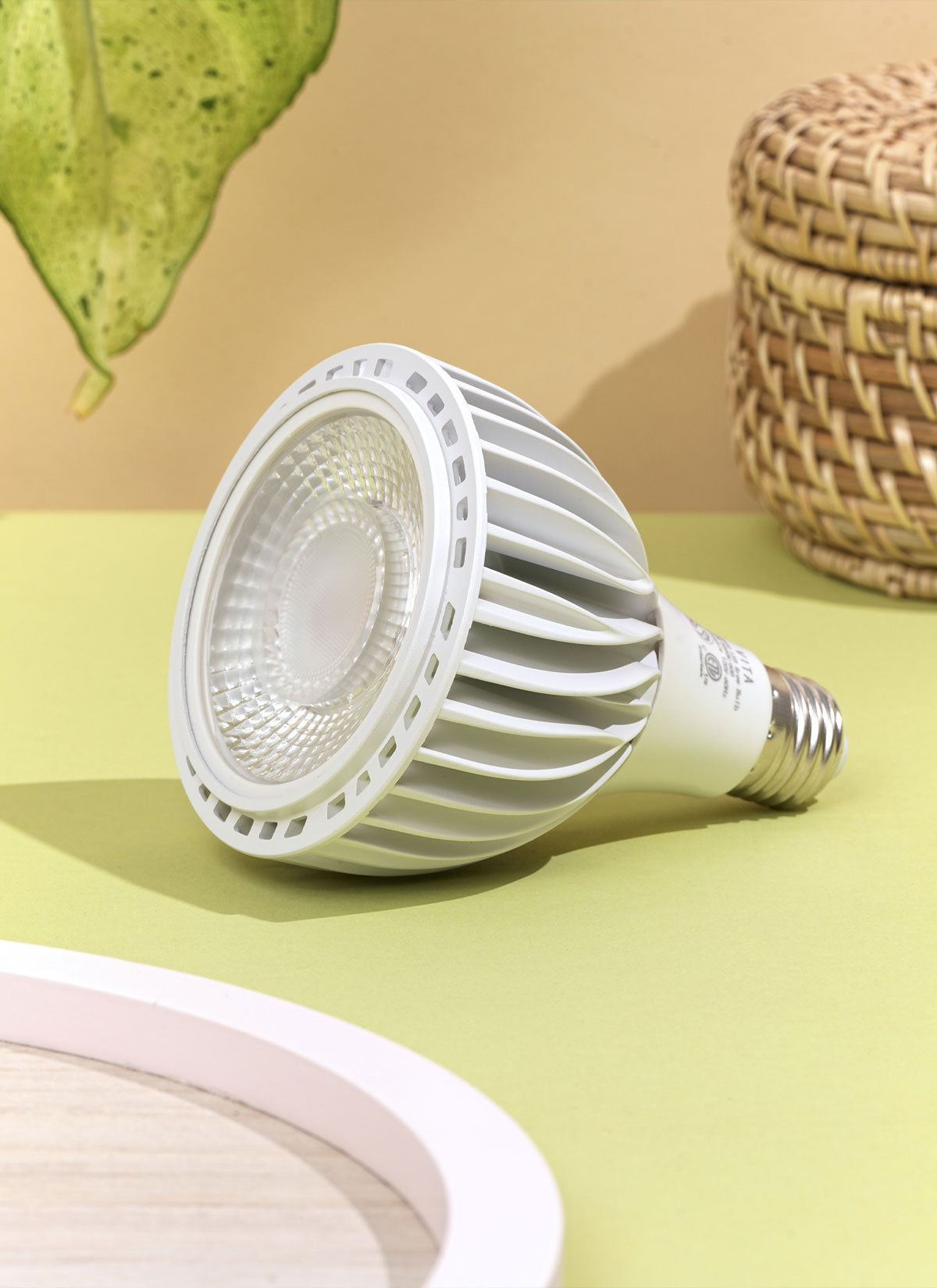
The Alocasia Jacklyn thrives in bright, indirect light. It needs high light levels to maintain its intricate leaf patterns and deep lobing. Avoid direct sunlight, which will quickly scorch the delicate, textured leaves. If the light is too low, the plant may drop older leaves and the new growth will be significantly smaller and less vibrant.

Discover Our Grow Lights

BEST SELLER
Vita™ Grow Light
$122.00 CAD

Color:

White / Wide (60°) Black / Wide (60°)
Highland™ LED Track Light System
$330.00 CAD - $1,060.00 CAD

Color:

White / 1 light / Narrow (36 Degrees) Black / 1 light / Narrow (36 Degrees)
Grove™ LED Grow Light
$187.00 CAD

Color:

Black White

Watering

Quick Tip: Water when the top 1-2 inches of soil are dry.

This Alocasia prefers consistent moisture but is extremely sensitive to root rot. Water thoroughly until it drains, then immediately discard any excess water in the saucer. During the winter, growth slows significantly, so you should reduce watering frequency to prevent the corm from rotting.

Temperature

Preferred Temperature: 65º - 85º

The Alocasia Jacklyn loves warmth and stable tropical conditions. It is sensitive to cold drafts and temperatures below 60ºF, which can trigger a dormancy period where the plant loses all its leaves. Keep it away from AC vents and drafty windows.

Humidity

Preferred Humidity: 60 - 80%; High Humidity

High humidity is essential for the Alocasia Jacklyn. If the humidity drops below 50%, the leaf edges may become crispy and brown. Use a humidifier, group it with other tropical plants, or grow it in a dedicated plant cabinet or greenhouse to keep the foliage lush and healthy.

Additional Plant Care

Propagation
The most common way to propagate Alocasia Jacklyn is by collecting corms or through division. Corms: While repotting, look for small, bulb-like corms in the soil. These can be removed and sprouted in shallow water, moist perlite, or a humidity dome. Division: Mature plants with multiple stems can be carefully divided into separate pots, ensuring each division has a healthy root system.
Toxicity
Quick Warning: The Alocasia Jacklyn is toxic to humans and animals. The plant contains calcium oxalate crystals, which cause immediate oral irritation, swelling, and digestive distress if chewed or swallowed. Always keep it out of reach of pets and children.
Repotting
The Alocasia Jacklyn prefers to be slightly snug in its pot. Repotting is generally needed every 12–18 months. When to Repot: The best time is in the spring during active growth. Choose a Pot: Select a pot only 1-2 inches larger than the current one with excellent drainage. Repot: Handle the roots and corm gently, as Alocasias are prone to "transplant shock." Use a fresh, airy aroid mix.
Pruning
Pruning is mostly for maintenance rather than shaping. Maintenance: Use clean, sharp shears to remove any yellowing or damaged lower leaves. Healthy Growth: Removing old leaves allows the plant to focus its energy on producing the large, dramatic new foliage.
Fertilizer
Alocasia Jacklyn is a moderate feeder during the growing season. What to Use: A balanced liquid fertilizer (like a 20-20-20) diluted to half or quarter strength is ideal. When to Apply: Fertilize every 4-6 weeks during the spring and summer. Stop fertilizing in the fall and winter to avoid nutrient burn while the plant is resting.
Soil
The right soil is crucial for a healthy Alocasia Jacklyn. Ideal Mix: It requires an extremely airy, chunky aroid mix. Recommended Blend: A mix of orchid bark, perlite, pumice, and a small amount of potting soil or coco coir works best. Important Tip: This "chunky" texture ensures the roots get plenty of oxygen and prevents the soil from becoming a soggy mass that leads to root rot.

Hanging Heights

Alocasia Jacklyn Lighting Requirements: High Light (Bright Indirect Light)

A statement plant is one of the simplest ways to make a room feel finished, but the difference between a thriving focal point and a sad, leggy one usually comes down to light. Match the plant to your space, style it with intention, and supplement with a grow light when your favorite design spot falls short on sun.

Outdoor sunlight peaks at around 10,000 foot-candles, but a well-lit room indoors usually measures under 100. The best grow light for your plant comes down to matching the light's output and form to your plant's light category.

Healthy houseplants depend on 17 essential nutrients, and 14 of them come from the soil in the pot. The best setup for most indoor plants is a loose, well-draining soilless mix paired with a diluted, balanced fertilizer applied only while the plant is actively growing. This guide covers what goes into a good potting mix, how to read a fertilizer label, how often to feed, and how to spot the signs of too much of a good thing.