• Login
Search Login

Search anything about Plant Lighting, Content, and More.

Bromeliad

SCIENTIFIC NAME: Bromeliaceae

KNOWN AS: Bromeliad

CLIMATE (LOCATION): Central Africa | Tropical

DESCRIPTION: The Bromeliad is a unique and vibrant tropical plant known for its striking, long-lasting flower bracts that rise from a central rosette of tough, leathery leaves. This beautiful plant is relatively low-maintenance and its distinctive appearance makes it a popular choice for adding a splash of exotic color to any indoor space.

Bromeliad Plant Care

Lighting

Light Requirement: Medium Light (Medium Indirect Light) to High Light (Bright Indirect Light)
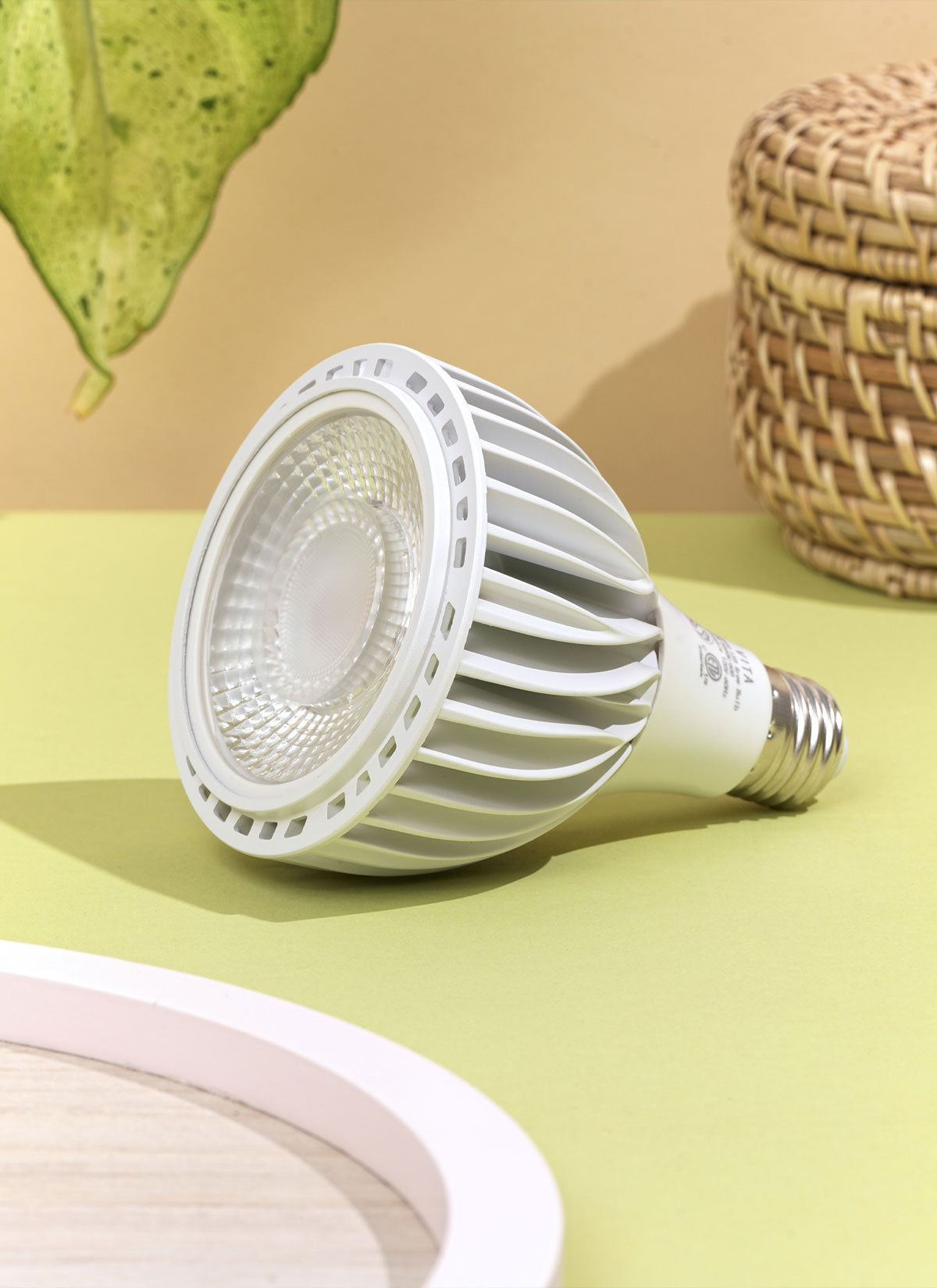
The Bromeliad thrives on bright, indirect light. The more light it receives, the more vibrant its colors will be. Avoid direct sunlight, as this can easily scorch its leaves. A location near an east- or west-facing window is ideal.

Discover Our Grow Lights

BEST SELLER
Vita™ Grow Light
$121.00 CAD

Color:

White / Wide (60°) Black / Wide (60°)
Highland™ LED Track Light System
$326.00 CAD - $1,047.00 CAD

Color:

White / 1 light / Narrow (36 Degrees) Black / 1 light / Narrow (36 Degrees)
Grove™ LED Grow Light
$184.00 CAD

Color:

Black White

Watering

Quick Tip: Water the central cup (tank) of the plant.

The Bromeliad has a unique watering method. You should pour water into the central cup, or "tank," formed by the leaves. Flush the tank with fresh water every few weeks to prevent it from becoming stagnant. Water the soil lightly every couple of weeks, but do not let the plant sit in soggy soil.

Temperature

Preferred Temperature: 65º - 80º

The Bromeliad prefers warm, stable temperatures. The ideal range is between 65-80°F. This tropical plant is sensitive to cold and should be kept away from drafts and temperatures below 50°F.

Humidity

Preferred Humidity: 40 - 60%; Moderate Humidity

The Bromeliad appreciates moderate to high humidity. You can increase the humidity around your plant by misting its leaves, using a humidifier, or placing the pot on a tray of pebbles with water.

Additional Plant Care

Propagation
Bromeliads die after they flower, but they produce small offsets called pups at the base of the plant. Once the pups are about one-third the size of the mother plant, you can carefully remove them with a clean knife. Plant the pups in their own small pots with a well-draining soil mix.
Toxicity
The Bromeliad is non-toxic to humans and animals.This makes the Bromeliad a great choice for households with children and pets.
Repotting
Repotting is typically only done when you are removing the pups for propagation. The main plant will die after blooming. When the mother plant is fading, and the pups are ready for their own pots. Select small pots with drainage holes. Use a fresh, well-draining soil mix to plant the pups.
Pruning
Pruning is a simple task to keep your Bromeliad looking its best. Trim away any brown or dead leaves. Once the central flower spike has died, you can cut it off at its base.
Fertilizer
Bromeliads are not heavy feeders. A balanced, water-soluble fertilizer diluted to half strength is ideal. Fertilize once a month during the spring and summer growing season. Apply fertilizer to the central cup and the soil.
Soil
The right soil is crucial for a healthy Bromeliad.The plant prefers a well-draining, airy soil mix that is slightly acidic. A good mix is potting soil amended with perlite or orchid bark to improve drainage. Always use a pot with a drainage hole to ensure excess water can escape and prevent root rot.

Hanging Heights

Bromeliad Lighting Requirements: Medium Light (Medium Indirect Light) to High Light (Bright Indirect Light)

If you love a clean, intentional home, you already know this feeling. You want lush, thriving plants. But most grow lights look like they belong in a greenhouse, not a carefully styled living room.

The good news? That has changed. A new generation of grow lights was designed with real homes in mind, and a few of them fit a minimalist aesthetic so naturally that guests won't know what they're looking at. They'll just notice your plants look really good.

Here are three Soltech grow lights worth considering if the look of your space matters as much as the health of your plants.

The secret to styling a statement plant in a small apartment is to build upward instead of outward: pick one bold focal plant per zone, lift it off the floor or tuck it into a dead corner, and give it enough light to actually thrive. This guide covers which plants make the biggest impact, how to place them without crowding your space, the light they need, and a simple step-by-step for styling them.

Today it's one of the most popular indoor plants worldwide. It is appreciated for its adaptability, low maintenance needs, and cultural symbolism. This guide covers light, water, soil, environment, pruning, and setup so your Lucky bamboo can thrive long-term.