• Login
Search Login

Search anything about Plant Lighting, Content, and More.

Goldfish Plant

SCIENTIFIC NAME: Columnea gloriosa (Other species include C. orientandina and C. microphylla)

KNOWN AS: Goldfish Plant, Flying Goldfish Plant

CLIMATE (LOCATION): Central & South America, Caribbean | Tropical Rainforest Epiphyte

DESCRIPTION: The Goldfish Plant is a spectacular cascading epiphyte related to African Violets. It features long, arching vines covered in small, fleshy, dark-green or bronze leaves that have a slightly waxy or fuzzy texture. Its true claim to fame is its explosive blooming cycle: it produces dozens of tubular, vibrant orange-red flowers with yellow throats that look exactly like leaping goldfish. It is a breathtaking option for hanging baskets where its vines can drape freely.

Goldfish Plant Plant Care

Lighting

Light Requirement: High Light (Bright Indirect Light)
Light is the ultimate "trigger" for the famous fish-shaped blooms.

The Goal: Provide 10–12 hours of bright, filtered light daily. An east-facing window or a spot right under a skylight is ideal.

Low Light: It handles lower light surprisingly well from a foliage standpoint, but it will grow leggy, sparse, and it will completely refuse to bloom.

Direct Sun: Avoid hot afternoon sun. The fleshy leaves easily sun-scorch, turning a bleached brown, and the flower buds will dry up and drop off before opening.

Discover Our Grow Lights

BEST SELLER
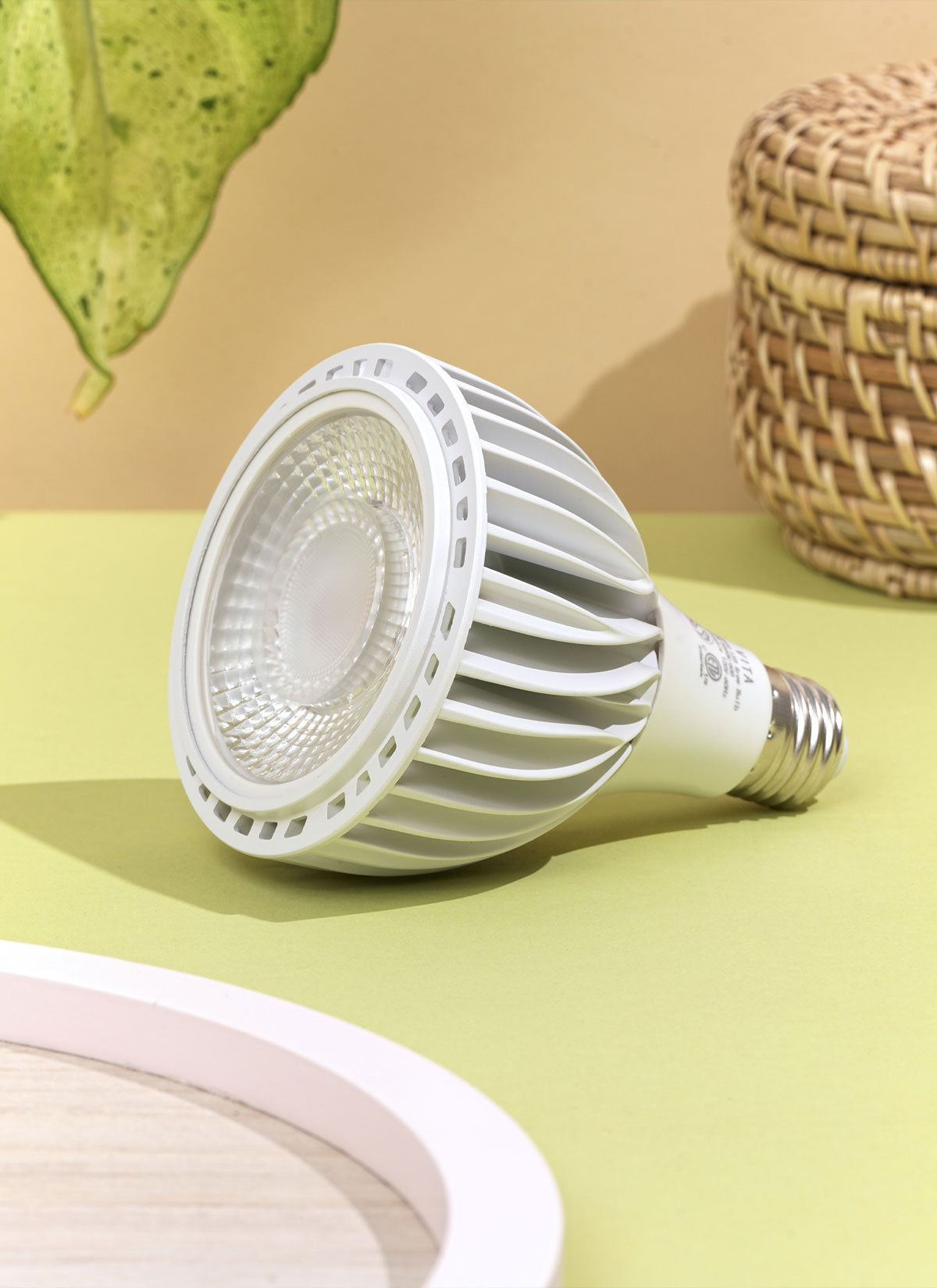
Vita™ Grow Light
$121.00 CAD

Color:

White / Wide (60°) Black / Wide (60°)
Highland™ LED Track Light System
$326.00 CAD - $1,047.00 CAD

Color:

White / 1 light / Narrow (36 Degrees) Black / 1 light / Narrow (36 Degrees)
Grove™ LED Grow Light
$184.00 CAD

Color:

Black White

Watering

Quick Tip: Water when the top 50% of the soil is dry. Never use cold water.

The Routine: Water thoroughly during the spring and summer until water runs from the bottom. Allow the top 1 to 2 inches of soil to dry out before watering again.

The Cold Water Shock: Critical Rule: Only water with room-temperature or lukewarm water. Cold tap water will cause permanent, ugly yellow ring spots on the leaves and can shock the root system into shedding foliage.

The Bloom Secret: In the late winter, reduce watering slightly to let the plant rest. This mild stress tricks it into producing a massive flush of flowers come spring.

Temperature

Preferred Temperature: 65º - 85º

As a rainforest native, it likes steady tropical warmth.

Cold Sensitivity: The Goldfish Plant is notoriously cold-sensitive. If exposed to temperatures below 55°F (13°C) or cold window drafts, it will drop its leaves in mass and face systemic dieback.

Heat Caps: Avoid blasting it with dry furnace heat in the winter or keeping it in stagnant air above 85°F, which encourages pests like spider mites.

Humidity

Preferred Humidity: 50 - 70%; Moderate/High Humidity

The Requirement: While its waxy leaves help it conserve a little moisture, dry indoor air will cause the leaf tips to turn brittle, and the flower buds may blast (die before opening).

The Solution: It thrives in well-lit bathrooms or kitchens with natural humidity. Otherwise, run a humidifier nearby or set the pot on a large pebble tray filled with water.

Additional Plant Care

Propagation
Goldfish plants branch out easily and are highly successful when propagated via stem cuttings. How to Propagate: Cut a 4-inch tip from a healthy, non-flowering stem just below a leaf node. Clip off the lower leaves. The Secret: Dip the cut end in a bit of rooting hormone, then insert it into a pot of moist potting soil or damp sphagnum moss. Cover the cutting with a clear plastic bag to lock in extreme humidity. It will establish roots in 2–3 weeks.
Toxicity
Quick Warning: Non-Toxic to cats, dogs, and humans. Unlike the Philodendrons and Dracaenas, Columnea is completely pet-safe. You can let it trail elegantly from a ceiling basket or high shelf without worrying if your cat or dog manages to catch a falling "fish" leaf.
Repotting
When to Repot: Infrequently—every 2 to 3 years. Goldfish plants prefer to be slightly root-bound, and tightly bound roots actually trigger more abundant flowering. The Pot: Always use a shallow pot or hanging basket with plenty of drainage holes. Only step up one pot size at a time. The Season: Always repot in the spring after the main flowering cycle has finished.
Pruning
Pinching for Fullness: Left alone, the vines can become long and stringy. Pinch back the growing tips regularly. This forces the vine to branch out, resulting in a bushier plant with double the flowering sites. Post-Bloom Clean Up: Once the flowers fade, prune the stems back slightly to keep the shape tidy and stimulate a potential secondary flush of growth. Pests: Keep an eye out for mealybugs and aphids hiding in the tight crevices where the leaves meet the stems.
Fertilizer
Quick Tip: Use a high-phosphorus fertilizer to boost the "goldfish" bloom count. What to Use: A high-phosphorus liquid fertilizer (such as a 10-30-10 blend or a tomato/flowering plant formula) diluted to half strength. Organic fish emulsion also works beautifully. When to Apply: Every 2 weeks during the active growing and blooming season (Spring and Summer). Winter: Stop fertilizing completely in the winter while the plant rests.
Soil
Because it is an epiphyte in nature, standard heavy potting soil will drown the root system. Ideal Mix: A lightweight, coarse, and highly aerated orchid-style mix. Recommended Blend: 1 part standard potting soil, 1 part sphagnum peat moss (or coco coir), and 1 part perlite. This keeps just enough moisture around the roots while allowing water to flush out instantly.

Hanging Heights

Goldfish Plant Lighting Requirements: High Light (Bright Indirect Light)

If you love a clean, intentional home, you already know this feeling. You want lush, thriving plants. But most grow lights look like they belong in a greenhouse, not a carefully styled living room.

The good news? That has changed. A new generation of grow lights was designed with real homes in mind, and a few of them fit a minimalist aesthetic so naturally that guests won't know what they're looking at. They'll just notice your plants look really good.

Here are three Soltech grow lights worth considering if the look of your space matters as much as the health of your plants.

The secret to styling a statement plant in a small apartment is to build upward instead of outward: pick one bold focal plant per zone, lift it off the floor or tuck it into a dead corner, and give it enough light to actually thrive. This guide covers which plants make the biggest impact, how to place them without crowding your space, the light they need, and a simple step-by-step for styling them.

Today it's one of the most popular indoor plants worldwide. It is appreciated for its adaptability, low maintenance needs, and cultural symbolism. This guide covers light, water, soil, environment, pruning, and setup so your Lucky bamboo can thrive long-term.