• Login
Search Login

Search anything about Plant Lighting, Content, and More.

Dracaena ‘Lemon Lime’

SCIENTIFIC NAME: Dracaena fragrans 'Lemon Lime'

KNOWN AS: Lemon Lime Dracaena, Striped Dracaena

CLIMATE (LOCATION): Horticultural Hybrid | Tropical Africa (Parentage)

DESCRIPTION: The 'Lemon Lime' is perhaps the most "electric" variety in the Dracaena family. It features wide, arching leaves with a bold, neon-yellow (lemon) and lime-green border, separated from a darker green center by thin white stripes. It brings an instant pop of neon color to any room and is often sold as a single "bush" or as a "staggered cane" (multiple trunks of different heights in one pot).

Dracaena ‘Lemon Lime’ Plant Care

Lighting

Light Requirement: High Light (Bright Indirect Light)
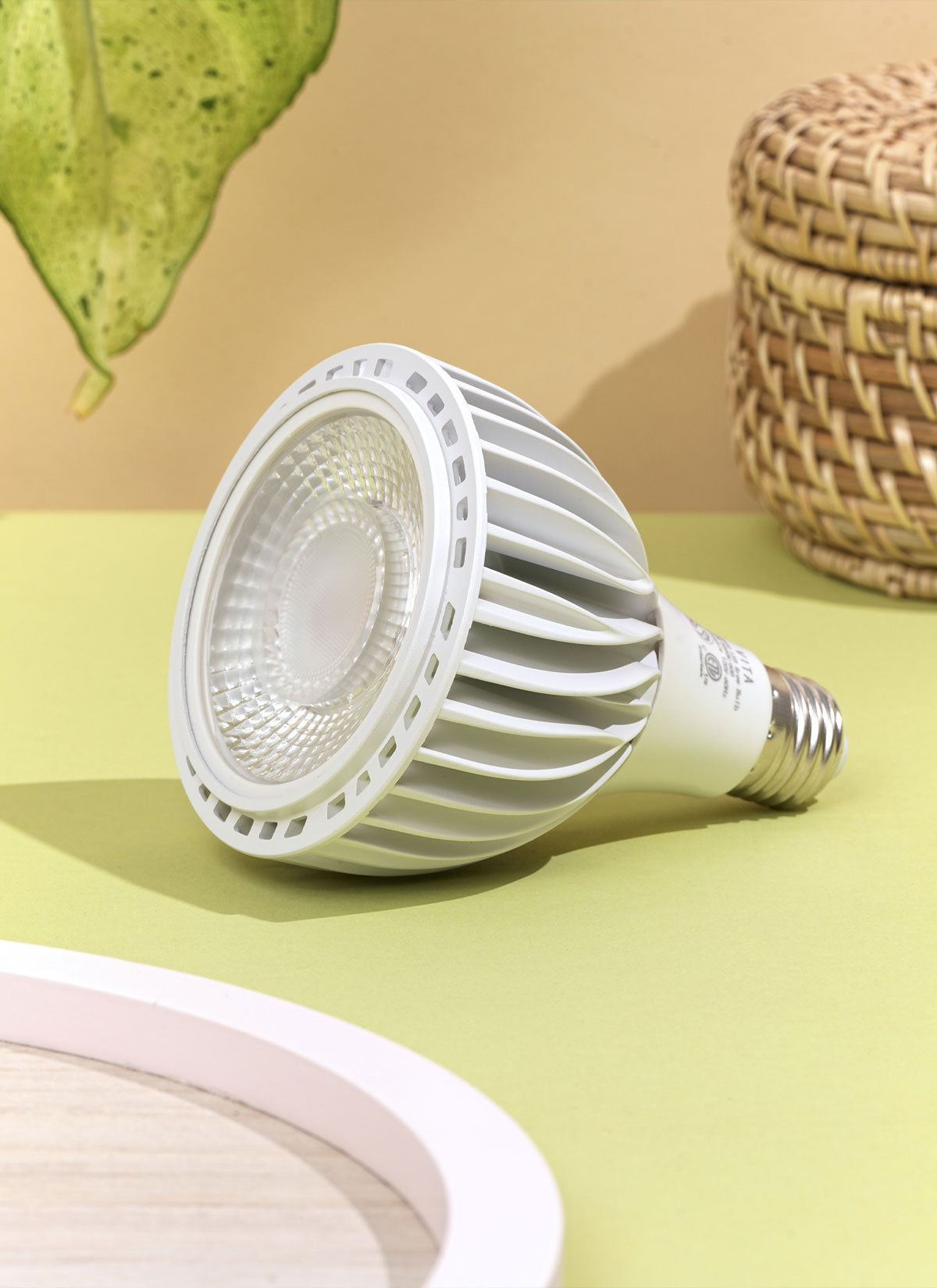
The 'Lemon Lime' needs more light than its dark-green cousins to maintain its neon glow.

The Goal: Bright, filtered light. This keeps the yellow margins wide and vibrant.

Low Light: It is tolerant of lower light, but the "lemon" part of the leaf will fade to a duller lime green, and the plant will lose its compact, full look.

Direct Sun: Warning. The pale yellow parts of the leaves have very little chlorophyll and will scorch almost instantly in direct sun. Keep it back from south-facing windows.

Discover Our Grow Lights

BEST SELLER
Vita™ Grow Light
$120.00 CAD

Color:

White / Wide (60°) Black / Wide (60°)
Highland™ LED Track Light System
$323.00 CAD - $1,040.00 CAD

Color:

White / 1 light / Narrow (36 Degrees) Black / 1 light / Narrow (36 Degrees)
Grove™ LED Grow Light
$183.00 CAD

Color:

Black White

Watering

Quick Tip: Water when the top 50–75% of the soil is dry. Sensitive to chemicals.

The Routine: Like all Dracaenas, this plant hates "wet feet." Overwatering will cause the lower leaves to turn yellow and drop off.

The Water Quality: 'Lemon Lime' is famously sensitive to fluoride, chlorine, and salts in tap water.

The Result: Using tap water will cause brown, "rusty" spots to appear right in the middle of the neon yellow stripes.

The Solution: Use distilled, rain, or filtered water to keep the leaves pristine.

Temperature

Preferred Temperature: 65º - 80º

Stability: It thrives in standard household temperatures.

Cold: Keep it away from AC vents and cold winter drafts. If it drops below 55°F, it may develop dark, water-soaked spots on the leaves.

Humidity

Preferred Humidity: 40 - 60%; Moderate Humidity

Preferred Humidity: 40% - 60%; Average Humidity

The Resilience: It handles the dry air of most homes perfectly.

Dry Air Signs: If your indoor humidity is extremely low (under 30%), the very tips of the leaves may turn brown. A quick misting or a pebble tray is an easy fix.

Additional Plant Care

Propagation
How to Propagate: Stem Cuttings. You can cut a leafy top and root it in water or moist soil. It can take several months for roots to appear, so be patient.
Toxicity
Quick Warning: Toxic to cats and dogs. Contains saponins. In cats, it can cause dilated pupils, drooling, and vomiting. In dogs, it causes digestive upset. Keep it out of reach of curious nibblers.
Repotting
When to Repot: Every 2–3 years. They prefer to be slightly root-bound. The Pot: Use a pot with excellent drainage. The Mix: Use a loose, well-aerated soil.
Pruning
Grooming: Remove lower leaves as they naturally brown and age. Cleaning: Dust the broad leaves with a damp microfiber cloth monthly. This keeps the neon colors looking bright and helps the plant breathe. Managing Growth: If it becomes too "top-heavy" or tall, you can prune the top. New growth will sprout from the sides of the cane.
Fertilizer
Quick Tip: Feed very lightly; avoid fluoride-heavy fertilizers. What to Use: A balanced liquid fertilizer diluted to 1/2 strength. When to Apply: Once a month during the spring and summer. Winter: Do not fertilize in the winter.
Soil
Ideal Mix: A fast-draining potting soil. Recommended Blend: 2 parts standard potting soil to 1 part perlite or pumice. Avoid heavy peat-based mixes that stay soggy.

Hanging Heights

Dracaena ‘Lemon Lime’ Lighting Requirements: High Light (Bright Indirect Light)

Today it's one of the most popular indoor plants worldwide. It is appreciated for its adaptability, low maintenance needs, and cultural symbolism. This guide covers light, water, soil, environment, pruning, and setup so your Lucky bamboo can thrive long-term.

Not every plant belongs in a bedroom. You want plants that are low-maintenance, don't release strong scents that could disrupt sleep, and can handle the lower light conditions that most bedrooms naturally have. Get those three things right and you've got a bedroom that works for you around the clock.

Plants grown under supplemental full-spectrum lighting show faster growth than those relying on ambient indoor light alone. A thriving indoor plant wall comes down to one thing above everything else: getting the light right. This guide covers everything from wall structure and plant selection to lighting setup, watering systems, and long-term care so your wall looks intentional, not accidental.