• Login
Search Login

Search anything about Plant Lighting, Content, and More.

Kalanchoe

SCIENTIFIC NAME: Kalanchoe Blossfeldiana

KNOWN AS: Kalanchoe, Widow's Thrill, Christmas Kalanchoe

CLIMATE (LOCATION): Madagascar & Africa | Arid

DESCRIPTION: The Kalanchoe is a popular succulent cherished for its thick, waxy leaves and long-lasting, vibrant flowers that bloom in shades of red, pink, yellow, and orange. Known for its drought tolerance and low-maintenance nature, it is a great choice for adding a burst of color to any room.

Kalanchoe Plant Care

Lighting

Light Requirement: High Light (Bright Indirect Light)

The Kalanchoe thrives in bright, indirect light. It needs plenty of light to bloom, so a south- or west-facing window is ideal. While it can tolerate some direct sun, be careful with intense afternoon light, which can scorch its leaves. To re-bloom, the plant requires a period of 12-14 hours of complete darkness each night for 6-8 weeks in the fall.

Discover Our Grow Lights

SAVE 20%
Aspect™ Gen 2 LED Growlight
$231.00 CAD $289.00 CAD

Color:

White Black
SAVE 15%
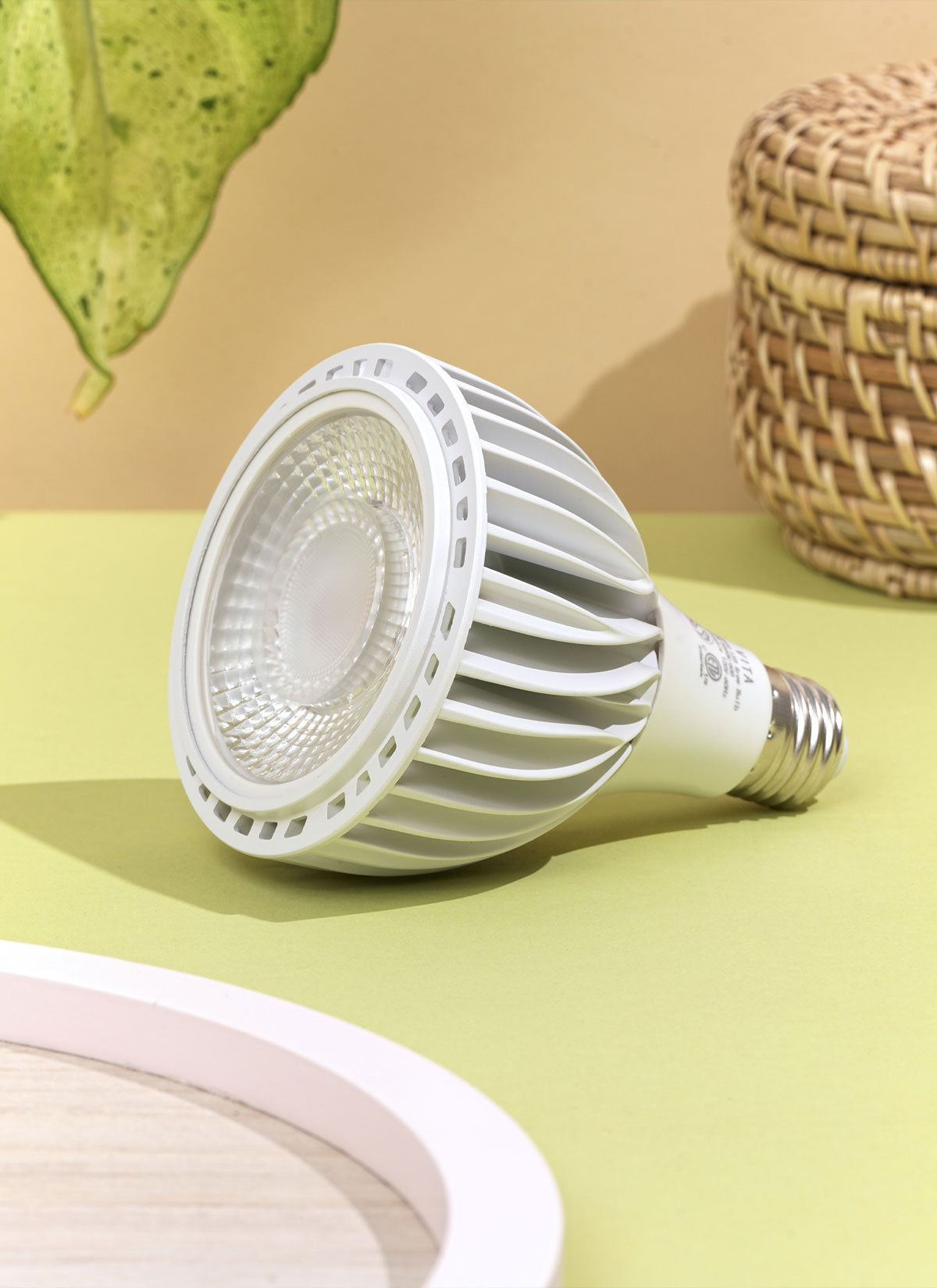
Vita™ Grow Light
$105.00 CAD $123.00 CAD

Color:

White / Wide (60°) Black / Wide (60°)
SAVE UP TO 30%
Highland™ LED Track Light System
$282.00 CAD - $748.00 CAD $1,068.00 CAD

Color:

White / 1 light / Narrow (36 Degrees) Black / 1 light / Narrow (36 Degrees)
SAVE 20%
Grove™ LED Grow Light
$150.00 CAD $188.00 CAD

Color:

Black White

Watering

Quick Tip: Allow soil to completely dry out before watering.

As a succulent, the Kalanchoe stores water in its leaves and is very susceptible to overwatering, which is the most common cause of root rot. Water thoroughly only when the soil is completely dry to the touch. Reduce watering significantly during the dormant winter months.

Temperature

Preferred Temperature: 60º - 85º

The Kalanchoe prefers warm, stable temperatures. The ideal range is between 60-85°F. It is sensitive to cold and should be kept away from temperatures below 50°F and from drafts.

Humidity

Preferred Humidity: 30 - 50%; Low/Moderate Humidity

The Kalanchoe is a desert succulent and prefers a low to moderate humidity environment. The average humidity of most homes is perfect for this plant, and you do not need to take any special steps to increase it.

Additional Plant Care

Propagation
The Kalanchoe is very easy to propagate by stem cuttings, leaf cuttings, or offsets. Take a cutting and allow the cut end to form a callus for a few days before planting it in a well-draining soil mix. A single leaf can be planted in moist soil and will root. Some varieties produce small offsets from the leaves that can be easily removed and planted.
Toxicity
The Kalanchoe is toxic to pets.The plant contains cardiac glycosides (bufadienolides) that can cause vomiting, diarrhea, and in rare cases, an abnormal heart rhythm if ingested by cats and dogs. It is important to keep this plant out of reach of pets.
Repotting
Repotting a Kalanchoe is a minimal task. Repotting is typically only necessary every 1-2 years, or when the plant has completely outgrown its container. Select a new pot that is only slightly larger and has drainage holes. Use fresh, well-draining soil and carefully place the plant in the new pot, filling in the sides with fresh soil.
Pruning
Pruning is a simple task to keep your Kalanchoe looking its best. Trim away any spent flowers, dead leaves, or leggy stems. Use clean shears to cut the stem off at the base. This redirects the plant's energy and encourages a fuller plant.
Fertilizer
Kalanchoes do not require a lot of fertilizer. A balanced, water-soluble fertilizer diluted to half strength is ideal. Fertilize once a month during the spring and summer growing season. Do not fertilize during the fall and winter.
Soil
The right soil is crucial for a healthy Kalanchoe. The plant requires a well-draining soil mix to prevent root rot. A good mix is cactus or succulent potting mix amended with extra perlite or coarse sand. Always use a pot with a drainage hole to ensure excess water can escape.

Hanging Heights

Kalanchoe Lighting Requirements: High Light (Bright Indirect Light)

The easiest way to bring houseplants into your home is to start with low-maintenance houseplants like the Snake plant, ZZ plant, Pothos, Heartleaf philodendron, and Peperomia, then arrange them at different heights so the room feels layered and alive. This guide covers which plants to choose, how to style them for a biophilic look, and what to do when your space is short on natural light.

Outdoor sunlight at midday can reach 10,000 to 12,000 foot-candles, while a room lit only by overhead fixtures often sits around 40 foot-candles or fewer. The trick to styling a grow light is matching its shape (a pendant, a lamp, a freestanding stand, a track, or a screw-in bulb) to your room's layout and your plants' light needs, so the fixture reads as decor first and plant care second.

The Monstera includes dozens of distinct species, and the name itself traces back to the Latin word for “monstrous,” a nod to the dramatic holes and splits that make these plants instantly recognizable. The monsteras you are most likely to meet indoors are Monstera deliciosa, Monstera adansonii, and a small group of variegated and silver-leaved varieties, each different enough to change how you care for them.