• Login
Search Login

Search anything about Plant Lighting, Content, and More.

Moonlight Scindapsus

SCENTIFIC NAME: Scindapsus treubii 'Moonlight'

KNOWN AS: Moonlight Scindapsus, Sterling Silver Scindapsus

CLIMATE (LOCATION): Southeast Asia | Tropical Rainforest

DESCRIPTION: The Moonlight Scindapsus is a stunning, low-growing vine prized for its thick, lance-shaped leaves that possess a distinct metallic, silvery-blue sheen. Unlike the common Pothos, its foliage is much more substantial and leathery. It is a slow to moderate grower that adds a sophisticated, "moonlit" glow to any plant collection.

Moonlight Scindapsus Plant Care

Lighting

Light Requirement: High Light (Bright Indirect Light)
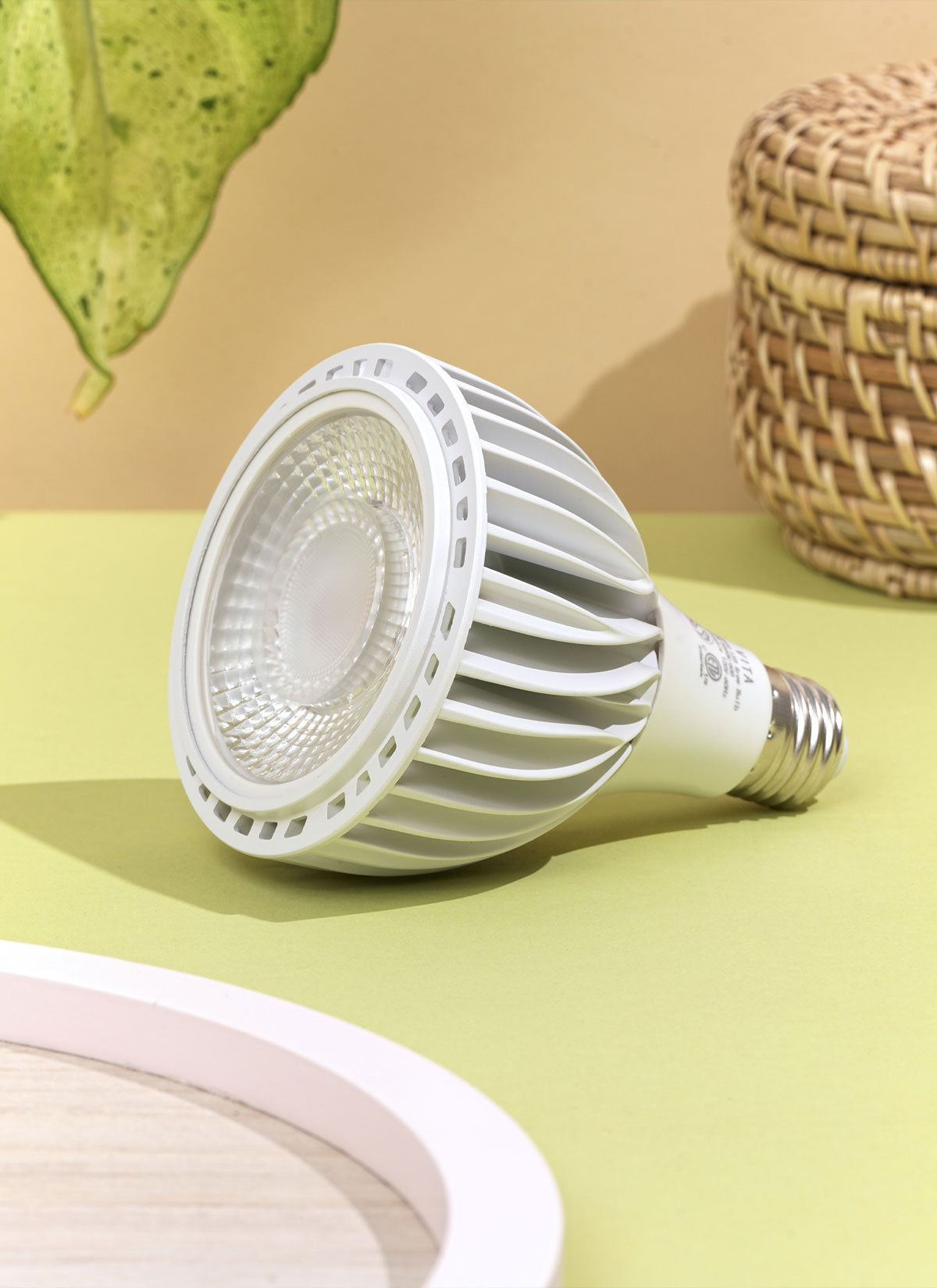
To maintain the intense silvery sheen, this plant needs bright, indirect light. In lower light, the silver will dull, and the plant will become leggy. However, avoid direct afternoon sunlight, which can easily bleach the metallic pigment and cause the leaves to turn a yellow-brown.

Discover Our Grow Lights

BEST SELLER
Vita™ Grow Light
$119.00 CAD

Color:

White / Wide (60°) Black / Wide (60°)
Highland™ LED Track Light System
$320.00 CAD - $1,028.00 CAD

Color:

White / 1 light / Narrow (36 Degrees) Black / 1 light / Narrow (36 Degrees)
Grove™ LED Grow Light
$181.00 CAD

Color:

Black White

Watering

Quick Tip: Allow the top 50-75% of the soil to dry out between waterings.

The Moonlight is excellent at communicating its needs. When it is thirsty, its thick leaves will begin to curl inward. Use this as your signal to water. It is highly susceptible to root rot, so ensure the pot has excellent drainage and never let it sit in standing water.

Temperature

Preferred Temperature: 65º - 85º

This tropical native loves warmth. It is very sensitive to the cold; temperatures below 60°F can cause the plant to stop growing or drop leaves. Keep it away from cold drafts near windows or air conditioning vents during the summer.

Humidity

Preferred Humidity: 50 - 70%; Moderate/High Humidity

While it can survive in average home humidity, it truly thrives in higher humidity. Low humidity can lead to smaller leaves and brown, crispy tips. It is a perfect candidate for a humidifier, a pebble tray, or a bright, steamy bathroom.

Additional Plant Care

Propagation
The Moonlight is propagated via stem cuttings, though it is slower to root than a standard Pothos. How to Propagate: Cut a section of the vine with at least one node and one leaf. Place the cutting in water or moist sphagnum moss. Tip: Using a propagation box (or a simple plastic bag over the pot) to keep humidity at 100% will significantly speed up the rooting process.
Toxicity
Quick Warning: The Moonlight Scindapsus is toxic to humans and animals. It contains calcium oxalate crystals. If ingested, it causes immediate oral irritation, swelling of the throat, and digestive upset. Keep this trailing beauty high up in a hanging basket away from pets.
Repotting
Because it is a relatively slow grower, it does not need frequent repotting. When to Repot: Every 2–3 years or when roots are circling the bottom of the pot. Choose a Pot: A pot 1–2 inches larger with plenty of drainage. Repot: Use a fresh aroid mix. If you want larger leaves, provide a moss pole for the plant to climb; its leaves will naturally "shingle" and grow larger as it goes up.
Pruning
Pruning is best used to keep the plant bushy and manage its size. Maintenance: Snip off any yellowing or old leaves at the base. Fullness: To prevent a "stringy" look, prune long vines and plant the rooted cuttings back into the top of the same pot to create a fuller appearance.
Fertilizer
Moonlight is a light feeder. What to Use: A balanced liquid fertilizer diluted to half strength. When to Apply: Once a month during the spring and summer. Avoid feeding in the winter to prevent nutrient burn while the plant is dormant.
Soil
An airy, well-draining mix is essential for preventing root issues. Ideal Mix: A chunky aroid mix. Recommended Blend: 1 part potting soil, 1 part orchid bark, and 1 part perlite. This ensures the roots get plenty of oxygen and water doesn't pool around the sensitive root system.

Hanging Heights

Moonlight Scindapsus Lighting Requirements: High Light (Bright Indirect Light)

Many of the most sought-after specimens in the plant collecting world actually originated in deep tropical forest floors. If you are looking to elevate your indoor garden with something more unique than a standard pothos, these rare plants offer striking aesthetics and manageable care routines.

If you have ever wondered why your indoor plants aren't reaching their full potential, you aren't alone. Providing basic water and light is a great start, but to achieve lush, vibrant growth, most indoor species require specific "boosters" to thrive in a domestic environment.

Instead of hunting down rare specimens, many new plant parents are opting for these reliable staples that are available almost everywhere. Here are the most common and easy-to-find houseplants to look for this year.