• Login
Search Login

Search anything about Plant Lighting, Content, and More.

Norfolk Island Pine

SCIENTIFIC NAME: Araucaria heterophylla

KNOWN AS: Norfolk Island Pine, Star Pine, Norfolk Pine

CLIMATE (LOCATION): South Pacific (Norfolk Island) | Subtropical

DESCRIPTION: The Norfolk Island Pine is a popular houseplant known for its elegant, symmetrical shape and soft, needle-like foliage that grows on horizontal branches. Its classic, layered appearance makes it a favorite for indoor holiday decorations, and its graceful form adds a touch of natural beauty to any room.

Norfolk Island Pine Plant Care

Lighting

Light Requirement: High Light (Bright Indirect Light)
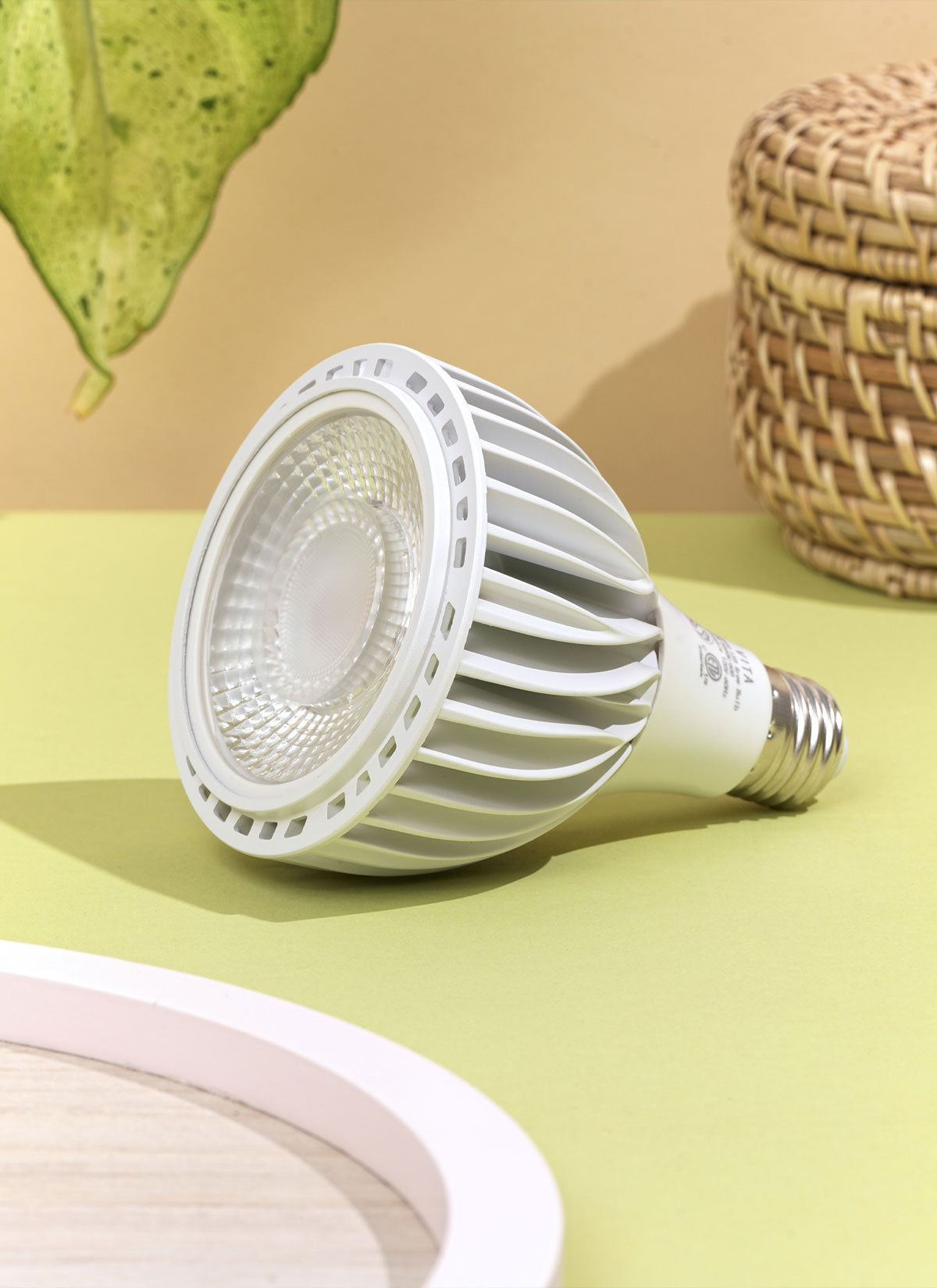
The Norfolk Island Pine thrives in bright, indirect light. While it can tolerate a few hours of direct morning sun, too much direct light can scorch its needles. Insufficient light can cause the lower branches to yellow and droop.

Discover Our Grow Lights

BEST SELLER
Vita™ Grow Light
$121.00 CAD

Color:

White / Wide (60°) Black / Wide (60°)
Highland™ LED Track Light System
$327.00 CAD - $1,051.00 CAD

Color:

White / 1 light / Narrow (36 Degrees) Black / 1 light / Narrow (36 Degrees)
Grove™ LED Grow Light
$185.00 CAD

Color:

Black White

Watering

Quick Tip: Water when the top 1-2 inches of soil are dry.

The Norfolk Island Pine prefers to have its soil kept consistently moist but not soggy. It is sensitive to both overwatering, which can lead to root rot, and underwatering, which can cause its needles to turn brown. Water thoroughly and allow the top inch of soil to dry out before watering again. Reduce watering in the fall and winter.

Temperature

Preferred Temperature: 65º - 75º

The Norfolk Island Pine prefers moderate temperatures. The ideal range is between 65-75°F. It is sensitive to cold and should be kept away from drafts and temperatures below 50°F, which can damage the plant.

Humidity

Preferred Humidity: 50 - 80%; Moderate/High Humidity

As a tropical plant, the Norfolk Island Pine loves high humidity. You can increase the humidity around your plant by misting its foliage, using a humidifier, or placing its pot on a tray of pebbles with water.

Additional Plant Care

Propagation
Norfolk Island Pine is very difficult to propagate indoors. Propagation is typically done from seeds. While you can take cuttings, cuttings from a side branch will not grow into a symmetrical, upright tree.
Toxicity
The Norfolk Island Pine is toxic to pets. This plant can cause an upset stomach, vomiting, and diarrhea in cats and dogs if ingested. It is important to keep this plant out of reach of pets.
Repotting
The Norfolk Island Pine is a slow-growing plant that does not need to be repotted often. The best time to repot is in the spring or summer, typically every 3-4 years. Select a new pot that is only slightly larger than the current one and has drainage holes. Use fresh, well-draining soil and place the plant in the new pot. Water it thoroughly afterward.
Pruning
Pruning is a very specific task for the Norfolk Island Pine. Only prune away any dead, brown, or damaged branches. Use clean shears to cut the branch off at the trunk. Do not prune the top of the tree, as this can prevent it from growing taller. Also, a pruned branch will not regrow.
Fertilizer
Norfolk Island Pines benefit from regular fertilization during the growing season. Use a balanced, liquid fertilizer diluted to half strength. Fertilize once a month during the spring and summer growing season. Do not fertilize during the fall and winter.
Soil
The right soil is crucial for a healthy Norfolk Island Pine. The plant prefers a well-draining, slightly acidic soil that is rich in organic matter. A good mix is potting soil amended with perlite or coarse sand to improve drainage. A pot with a drainage hole is essential to prevent root rot.

Hanging Heights

Norfolk Island Pine Lighting Requirements: High Light (Bright Indirect Light)

he key to a thriving summer plant collection is simple: match each plant to the right amount of light, water based on how dry the soil is rather than a fixed schedule, and shield sensitive leaves from harsh midday sun. This guide covers which plants love the season, how to water and light them as temperatures rise, how to prevent leaf scorch, and when it makes sense to move plants outdoors.

Good indoor plant design comes down to a few repeatable principles: match each plant to its light, vary height and scale, group in odd numbers, and give every arrangement one clear focal point. This guide breaks those principles down, walks through plant placement room by room, and covers what to do when your best-looking spot does not get enough light.

You've got a pothos on the windowsill. Maybe a snake plant in the corner. And somewhere along the way, you started wondering if there's more to it than that.

There is.

The apartments that feel truly alive, the ones you scroll past on Pinterest and instantly want to live in, aren't just homes with a few plants in predictable spots. They're intentional. A trailing vine above the kitchen cabinets. A lush fern tucked into the bathroom. A sculptural snake plant in the entryway that makes you feel like you've arrived somewhere good.

A lot of those looks are more achievable than they seem. And with the right plant, and sometimes a little help from a grow light, even the darker, more forgotten corners of your apartment can become something worth noticing.

Here are five unexpected places to bring your plant styling ideas to life.