• Login
Search Login

Search anything about Plant Lighting, Content, and More.

Philodendron Melanochrysum

SCIENTIFIC NAME: Philodendron melanochrysum

KNOWN AS: Black Gold Philodendron

CLIMATE (LOCATION): Colombia | Andean Rainforest Understory

DESCRIPTION: The Melanochrysum is a legendary climbing aroid prized for its breathtaking foliage. As a juvenile, its leaves are small and reddish-bronze. However, when allowed to climb, it undergoes a dramatic transformation: the leaves mature into massive, elongated spades that can reach up to 2–3 feet long. The mature foliage features a luxurious, deep velvet texture of dark, almost-black forest green, beautifully contrasted by striking, glowing pale-gold veins.

Philodendron Melanochrysum Plant Care

Lighting

Light Requirement: High Light (Bright Indirect Light)
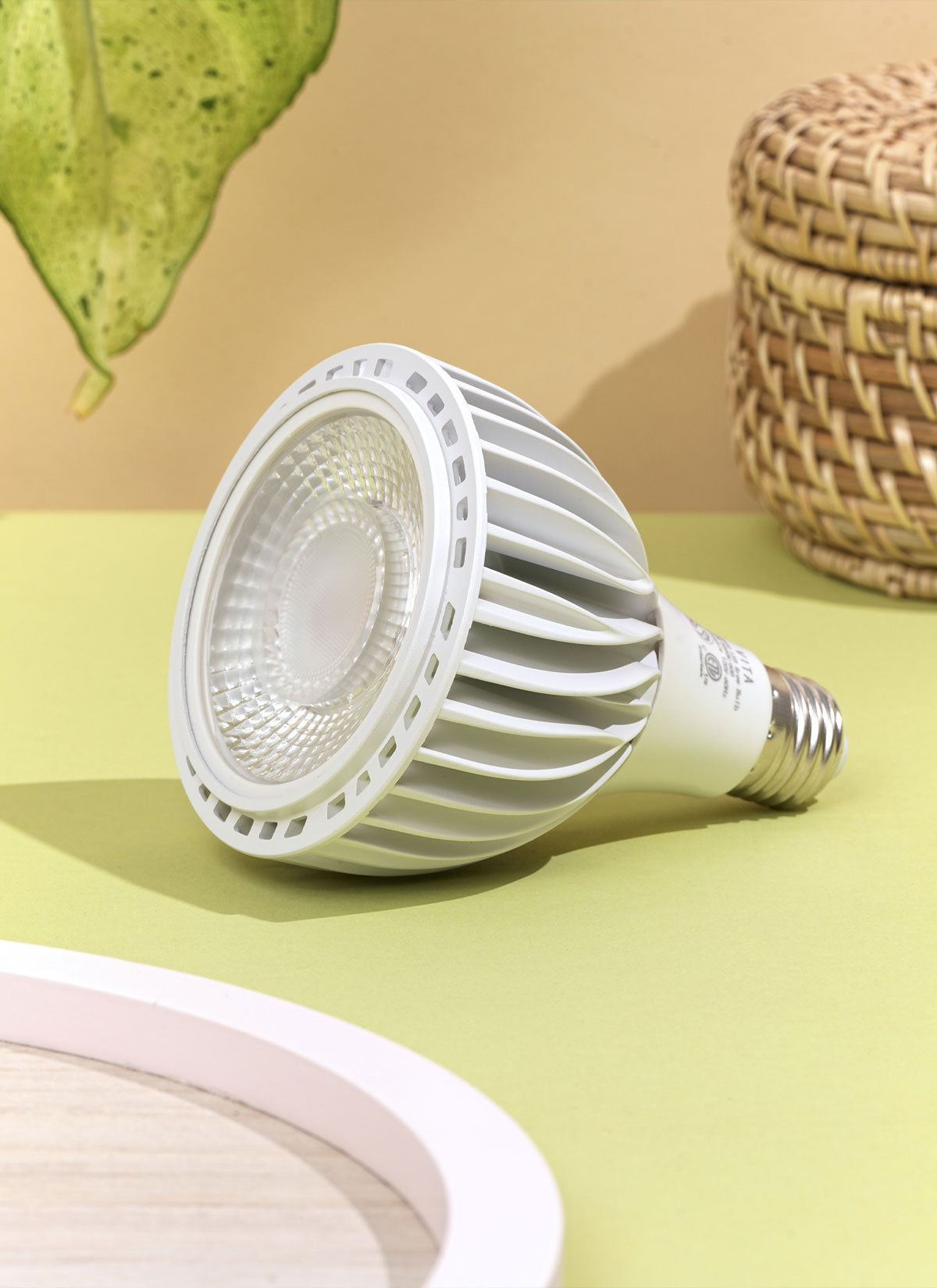
Because of its deep, dark velvet foliage, it can absorb light efficiently, but it needs brightness to reach maturity.

The Goal: Provide consistent, bright, filtered light. A spot near an east-facing window or protected by a sheer curtain is ideal.

Low Light: It will survive in lower light, but its growth will become leggy, the leaves will remain small and juvenile, and it will lose its intense, near-black coloration.

Direct Sun: Lethal. The velvet texture is highly sensitive; direct afternoon sun will bleach the leaves and leave permanent crisp, brown burn marks.

Discover Our Grow Lights

BEST SELLER
Vita™ Grow Light
$121.00 CAD

Color:

White / Wide (60°) Black / Wide (60°)
Highland™ LED Track Light System
$327.00 CAD - $1,050.00 CAD

Color:

White / 1 light / Narrow (36 Degrees) Black / 1 light / Narrow (36 Degrees)
Grove™ LED Grow Light
$185.00 CAD

Color:

Black White

Watering

Quick Tip: Water when the top 1-2 inches of soil are dry.

The Melanochrysum prefers a consistent moist-but-airy environment.

The Routine: Pour water thoroughly until it runs out of the drainage holes, then let the top layers of soil dry out before watering again.

The Danger: It is highly susceptible to root rot if left in soggy soil. If you notice yellowing lower leaves or mushy stems, check the roots immediately.

Water Quality: While heartier than rare Anthuriums, using filtered water or rainwater prevents mineral salts from building up and crisping the leaf edges.

Temperature

Preferred Temperature: 65º - 80º

This Colombian native thrives in standard tropical warmth.

Stability: It dislikes sudden temperature fluctuations. Keep it far away from freezing windows, front doors, or direct drafts from AC and heating vents.

Cold: If temperatures drop below 60°F, its growth will stop completely, and the root system will become highly vulnerable to rot.

Humidity

Preferred Humidity: 60 - 80%; High Humidity

The "Stuck Leaf" Dilemma: Melanos are notorious for their new leaves getting tightly trapped inside the cataphyll (sheath) as they try to emerge. In low humidity (below 50%), the leaf will often get stuck, causing it to rip, tear, or emerge completely deformed.

The Solution: A humidifier is highly recommended to keep the ambient moisture high. If a leaf gets stuck, do not rip it out; instead, wrap it gently in a warm, damp paper towel for a few minutes to help it slide free naturally.

Additional Plant Care

Propagation
Because it is a vining climber, it is straightforward to propagate via stem cuttings. How to Propagate: Find a node that has a visible aerial root. Cut just below that node using a sterilized blade. Rooting: Melanochrysum cuts root beautifully in damp sphagnum moss or perlite placed inside a warm, high-humidity propagation box. Water propagation is possible but carries a slightly higher risk of stem rot.
Toxicity
Quick Warning: Toxic to cats, dogs, and humans. Contains calcium oxalate crystals. If any part of the plant is chewed or swallowed, it causes immediate swelling of the mouth and tongue, intense burning, drooling, and digestive distress. Keep it safely out of reach of curious pets.
Repotting
When to Repot: Every 1–2 years in the spring, or when roots begin tightly circling the bottom of the pot. Choose a Pot: A pot 1–2 inches larger with excellent drainage. Clear plastic pots are fantastic for monitoring root health and moisture levels. Support: A sturdy moss pole or cedar board is mandatory for this plant. If it is allowed to trail downward, the leaves will shrink. If it is given a moist moss pole to climb, the leaves will double in size with every few nodes.
Pruning
Leaf Care: Velvet leaves are dust magnets, and dust blocks essential sunlight. Gently dust them with a dry, soft microfiber cloth or a makeup brush. Avoid wiping them roughly when wet, and never use commercial leaf-shine products. Grooming: Use sterilized shears to snip away old, naturally fading lower leaves near the main vine.
Fertilizer
Quick Tip: Feed regularly during the growing season to fuel its large leaves. What to Use: A balanced liquid houseplant fertilizer (e.g., 20-20-20) diluted to half or quarter strength. When to Apply: Every 2–3 weeks during the spring and summer when it is actively climbing. Winter: Stop fertilizing completely in the winter unless it is being grown inside a climate-controlled greenhouse under constant grow lights.
Soil
Standard potting soil will easily suffocate the roots of this plant. It requires an ultra-breathable mix. Ideal Mix: A chunk-heavy, fast-draining Aroid mix. Recommended Blend: 1 part potting soil, 1 part orchid bark, 1 part perlite, and 1 part horticultural charcoal. This structure allows oxygen to freely reach the roots while maintaining just enough moisture.

Hanging Heights

Philodendron Melanochrysum Lighting Requirements: High Light (Bright Indirect Light)

You've got a pothos on the windowsill. Maybe a snake plant in the corner. And somewhere along the way, you started wondering if there's more to it than that.

There is.

The apartments that feel truly alive, the ones you scroll past on Pinterest and instantly want to live in, aren't just homes with a few plants in predictable spots. They're intentional. A trailing vine above the kitchen cabinets. A lush fern tucked into the bathroom. A sculptural snake plant in the entryway that makes you feel like you've arrived somewhere good.

A lot of those looks are more achievable than they seem. And with the right plant, and sometimes a little help from a grow light, even the darker, more forgotten corners of your apartment can become something worth noticing.

Here are five unexpected places to bring your plant styling ideas to life.

Light fades faster than most people expect once it travels indoors. Because of a principle called the inverse square law, a plant sitting about six feet from a window can receive only around a quarter of the light hitting the glass. That is why plants on open shelving usually need either a naturally bright location or a little extra light to truly thrive instead of slowly stretching and fading.

You can fill a kitchen with greenery and zero counter space by going vertical: hanging planters, wall-mounted shelves, magnetic pots, and cabinet tops, paired with a compact under-cabinet grow light wherever sunlight runs short.