• Login
Search Login

Search anything about Plant Lighting, Content, and More.

Polka Dot Plant

SCIENTIFIC NAME: Hypoestes phyllostachya

KNOWN AS: Polka Dot Plant, Freckle Face

CLIMATE (LOCATION): Madagascar | Tropical

DESCRIPTION: The Polka Dot Plant is a charming, petite houseplant loved for its highly decorative foliage. The leaves are typically splattered with spots of pink, red, white, or lavender against a green base. While it is often sold as a small tabletop plant, it has a vigorous growth habit and can become quite "leggy" if not regularly maintained.

Polka Dot Plant Plant Care

Lighting

Light Requirement: High Light (Bright Indirect Light)
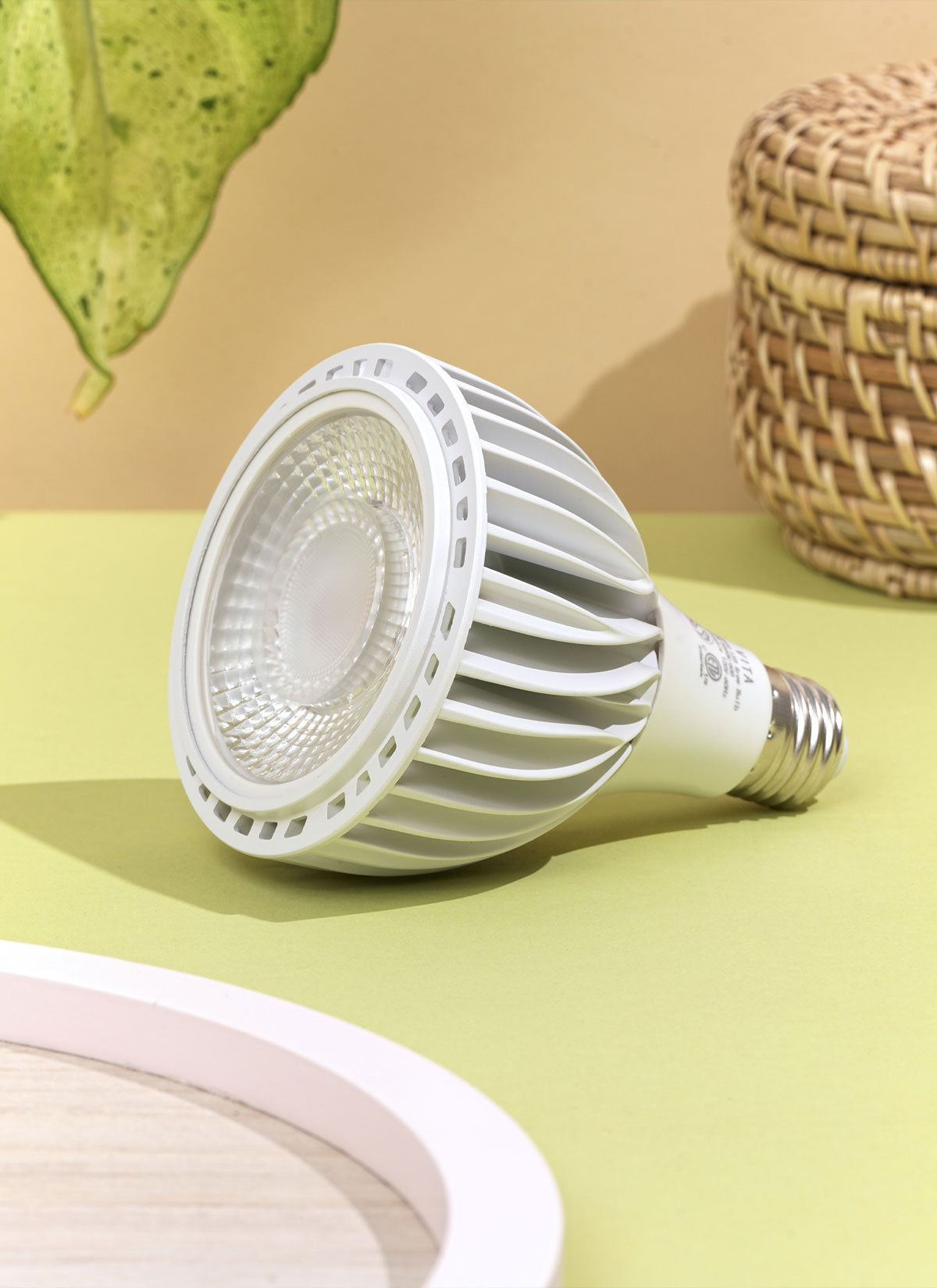
To keep those vibrant "dots" bright, this plant needs bright, indirect light. If the light is too low, the leaves will turn mostly green and the plant will stretch out (become leggy) looking for sun. Avoid direct afternoon sunlight, which can quickly bleach the colors and crisp the thin, delicate leaves.

Discover Our Grow Lights

BEST SELLER
Vita™ Grow Light
$121.00 CAD

Color:

White / Wide (60°) Black / Wide (60°)
Highland™ LED Track Light System
$326.00 CAD - $1,047.00 CAD

Color:

White / 1 light / Narrow (36 Degrees) Black / 1 light / Narrow (36 Degrees)
Grove™ LED Grow Light
$184.00 CAD

Color:

Black White

Watering

Quick Tip: Keep soil consistently moist. If it wilts, it’s thirsty.

The Polka Dot Plant is a bit of a "drama queen" it will visibly faint (wilt) if it gets too dry. However, it usually bounces back quickly once watered. Aim to water when the top half-inch of soil feels dry. Never let it sit in a saucer of water, as it is still susceptible to root rot.

Temperature

Preferred Temperature: 65º - 80º

This plant loves consistent tropical warmth. It is very sensitive to cold drafts and temperatures below 60ºF. Keep it away from AC vents or drafty windows, as cold air can cause sudden leaf drop or browning.

Humidity

Preferred Humidity: 50 - 80%; Moderate/High Humidity

This is a humidity-loving species. In dry indoor air, the leaves will often develop crispy, brown edges. It thrives in a bathroom with a window, near a humidifier, or in a terrarium. Misting can help, but it is not a substitute for a naturally humid environment.

Additional Plant Care

Propagation
The Polka Dot Plant is very easy to propagate via stem cuttings. How to Propagate: Snip a 4-inch stem cutting (ensure it has a few leaves). Place it in a glass of water or directly into moist soil. Tip: They root very quickly, often within a week. This is a great way to "restart" the plant if your original one becomes too leggy.
Toxicity
Quick Warning: The Polka Dot Plant is non-toxic to cats, dogs, and humans. This makes it a perfect choice for households with curious pets who like to nibble on greenery.
Repotting
Because it is a fast grower, it may need repotting annually. When to Repot: In the spring if you see roots coming out of the bottom or the plant is drying out daily. Choose a Pot: A pot 1 inch larger with excellent drainage. Repot: Use a rich, organic potting mix.
Pruning
Pruning is mandatory for this plant to stay attractive. Maintenance: If you don't prune, it will become tall, thin, and sparse. Pinch off the top two leaves on each stem regularly to encourage the plant to grow outward and stay "bushy." Flowers: If the plant produces small lavender flowers, it is reaching the end of its life cycle. Many growers pinch off the flower buds to redirect energy back into the colorful foliage.
Fertilizer
The Polka Dot Plant is a moderate feeder. What to Use: A balanced liquid fertilizer diluted to half strength. When to Apply: Every 2-4 weeks during the spring and summer. Do not fertilize in the winter.
Soil
It prefers a rich, well-draining soil that retains some moisture. Ideal Mix: A peat-based potting soil. Recommended Blend: 2 parts potting soil to 1 part perlite or vermiculite. This ensures the soil stays moist enough for the plant's liking without becoming "mucky."

Hanging Heights

Polka Dot Plant Lighting Requirements: High Light (Bright Indirect Light)

You've got a pothos on the windowsill. Maybe a snake plant in the corner. And somewhere along the way, you started wondering if there's more to it than that.

There is.

The apartments that feel truly alive, the ones you scroll past on Pinterest and instantly want to live in, aren't just homes with a few plants in predictable spots. They're intentional. A trailing vine above the kitchen cabinets. A lush fern tucked into the bathroom. A sculptural snake plant in the entryway that makes you feel like you've arrived somewhere good.

A lot of those looks are more achievable than they seem. And with the right plant, and sometimes a little help from a grow light, even the darker, more forgotten corners of your apartment can become something worth noticing.

Here are five unexpected places to bring your plant styling ideas to life.

Light fades faster than most people expect once it travels indoors. Because of a principle called the inverse square law, a plant sitting about six feet from a window can receive only around a quarter of the light hitting the glass. That is why plants on open shelving usually need either a naturally bright location or a little extra light to truly thrive instead of slowly stretching and fading.

You can fill a kitchen with greenery and zero counter space by going vertical: hanging planters, wall-mounted shelves, magnetic pots, and cabinet tops, paired with a compact under-cabinet grow light wherever sunlight runs short.