• Login
Search Login

Search anything about Plant Lighting, Content, and More.

Thai Constellation Monstera

SCENTIFIC NAME: Monstera deliciosa 'Thai Constellation'

KNOWN AS: Thai Constellation Monstera, Constellation Monstera

CLIMATE (LOCATION): Central America | Tropical Rainforest

DESCRIPTION: The Thai Constellation Monstera is a highly sought-after aroid known for its large, iconic, fenestrated (holed) leaves and unique, stable speckle variegation that resembles stars splashed across the foliage. Its dramatic size and stunning white and cream patterns make it a centerpiece plant.

Thai Constellation Monstera Plant Care

Lighting

Light Requirement: High Light (Bright Indirect Light)
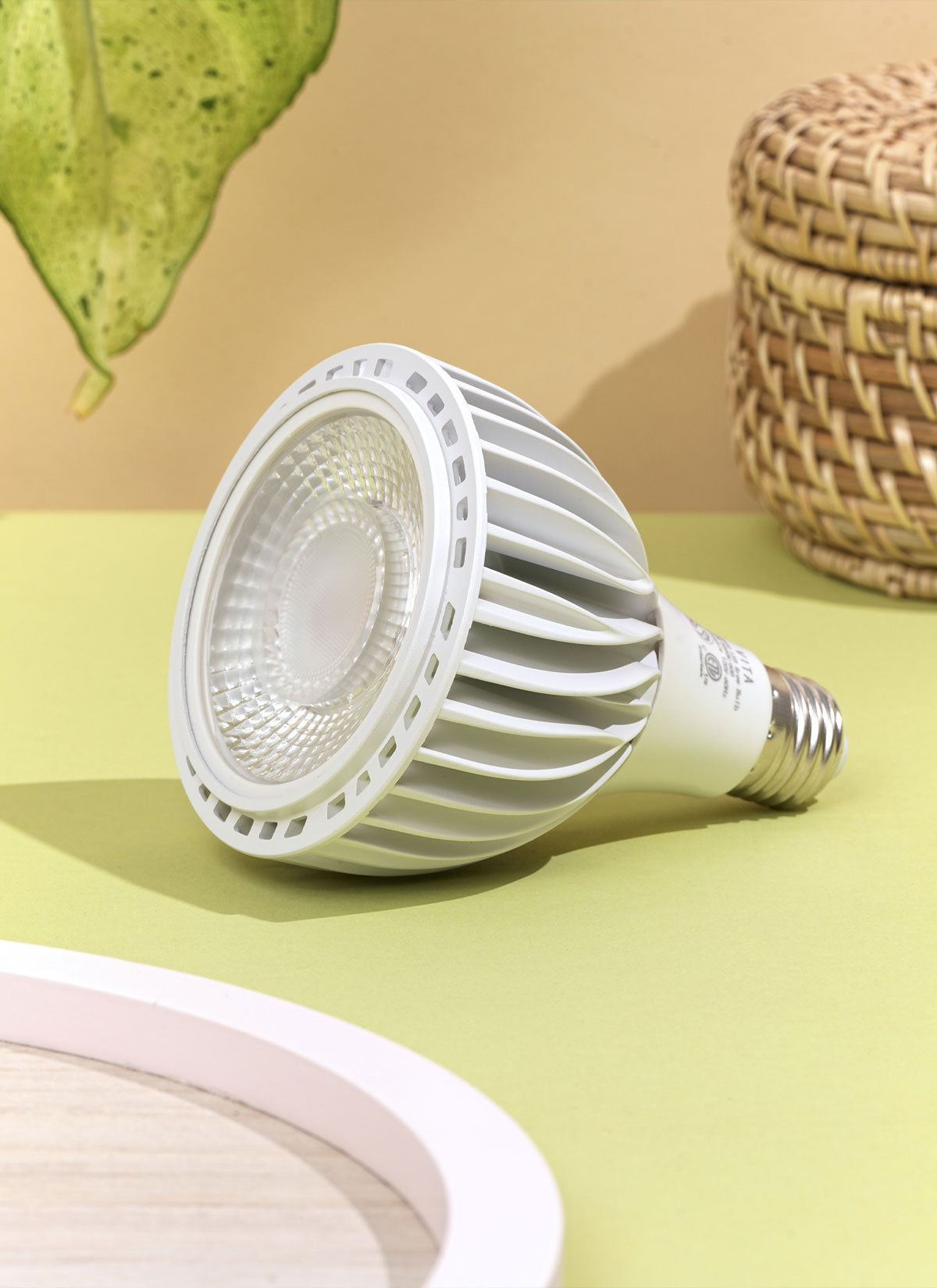
The Thai Constellation Monstera requires bright, indirect light to maintain its vibrant white variegation and encourage fast growth. Place it near a south- or west-facing window, ensuring the light is filtered. Insufficient light will cause the plant to revert to green and its growth to slow. Direct sunlight will easily burn the white sections of the leaves.

Discover Our Grow Lights

BEST SELLER
Vita™ Grow Light
$118.00 CAD

Color:

White / Wide (60°) Black / Wide (60°)
Highland™ LED Track Light System
$319.00 CAD - $1,027.00 CAD

Color:

White / 1 light / Narrow (36 Degrees) Black / 1 light / Narrow (36 Degrees)
Grove™ LED Grow Light
$181.00 CAD

Color:

Black White

Watering

Quick Tip: Water when the top 1-2 inches of soil are dry.

The Thai Constellation Monstera is susceptible to root rot if overwatered. Water thoroughly when the soil is dry to the touch, and allow the excess water to drain completely. Use distilled or filtered water when possible, as it is sensitive to the minerals in tap water. Reduce watering in the fall and winter.

Temperature

Preferred Temperature: 65º - 80º

The Thai Constellation Monstera prefers warm, stable temperatures. The ideal range is between 65-80°F. It is sensitive to cold and must be kept away from drafts and temperatures below 60°F.

Humidity

Preferred Humidity: 60 - 70%; High Humidity

The Thai Constellation Monstera thrives in high humidity. You can increase the humidity around your plant by using a humidifier, placing the pot on a tray of pebbles with water, or using a moss pole.

Additional Plant Care

Propagation
The easiest way to propagate the Thai Constellation Monstera is by stem cuttings. How to Propagate: Use clean, sharp shears to cut a piece of the vine that has at least one node and a leaf. Root the cutting in water or moist sphagnum moss. Important Tip: Ensure the cutting has some green on it to maintain the variegation.
Toxicity
The plant contains calcium oxalate crystals. Ingestion can cause irritation, swelling, and a burning sensation in the mouth and throat. It is important to keep this plant out of reach of children and pets.
Repotting
The Thai Constellation Monstera is a fast grower and may need to be repotted every 1-2 years. When to Repot: The best time to repot is in the spring or summer. Choose a Pot: Select a new pot that is slightly larger and has drainage holes. A heavier container may be needed for stability. Repot: Use fresh, chunky aroid soil and carefully place the plant in the new pot, filling in the sides with fresh soil.
Pruning
Pruning your Thai Constellation Monstera is necessary to maintain its size and shape. What to Remove: Trim away any damaged, yellowing, or fully green (reverted) leaves. How to Prune: Use clean, sharp shears to cut the stem just above a node. Purpose: Pruning encourages a bushier plant. The trimmings can be used for propagation.
Fertilizer
Thai Constellation Monstera plants benefit from regular fertilization during the growing season. What to Use: A balanced, liquid fertilizer diluted to half strength is ideal. When to Apply: Fertilize once a month during the spring and summer growing season. Do not fertilize during the fall and winter.
Soil
The right soil is crucial for a healthy Thai Constellation Monstera. Ideal Mix: The plant requires a chunky, airy, and well-draining aroid mix. Recommended Blend: A good mix is potting soil amended with orchid bark, perlite, and coco coir to improve drainage and aeration. Important Tip: This mix ensures the plant gets good drainage and prevents root rot.

Hanging Heights

Thai Constellation Monstera Lighting Requirements: High Light (Bright Indirect Light)

You bought a Snake Plant or a ZZ Plant because the tag said "low light tolerant." You placed it in that stylish, dim corner of your living room or on a bookshelf far from the window. Six months later, the leaves are yellowing, the growth has stalled, and the plant looks like it’s slowly fading away.

Living in an apartment often means balancing a love for indoor jungles with the strict reality of a lease agreement. For many renters, the primary barrier to supplemental lighting is the assumption that high-quality fixtures require permanent installation. If you are wary of losing your security deposit or aren't handy with a power drill, you don’t have to sacrifice your plants to a dark corner.

If you've been considering a grow light but keep hesitating because some part of you thinks, “Can it really be as good as actual sunlight?” you're asking the right question. It's a reasonable, smart thing to wonder.

The short answer is: for your plant, the source of the light matters a lot less than you might think. What matters is the quality of the light that actually arrives at the leaf.