• Login
Search Login

Search anything about Plant Lighting, Content, and More.

Variegated Monstera Albo

SCIENTIFIC NAME: Monstera deliciosa 'Albo Borsigiana'

KNOWN AS: Monstera Albo, Variegated Monstera, Albo Borsigiana

CLIMATE (LOCATION): Central & South America | Tropical Rainforest

DESCRIPTION: The Monstera Albo is one of the most coveted houseplants in the world. It features large, heart-shaped leaves with iconic fenestrations (holes) and dramatic, snow-white variegation. Because the white patches lack chlorophyll, this plant grows slower than the solid green variety and requires more precise care to maintain its striking high-contrast look.

Variegated Monstera Albo Plant Care

Lighting

Light Requirement: High Light (Bright Indirect Light)
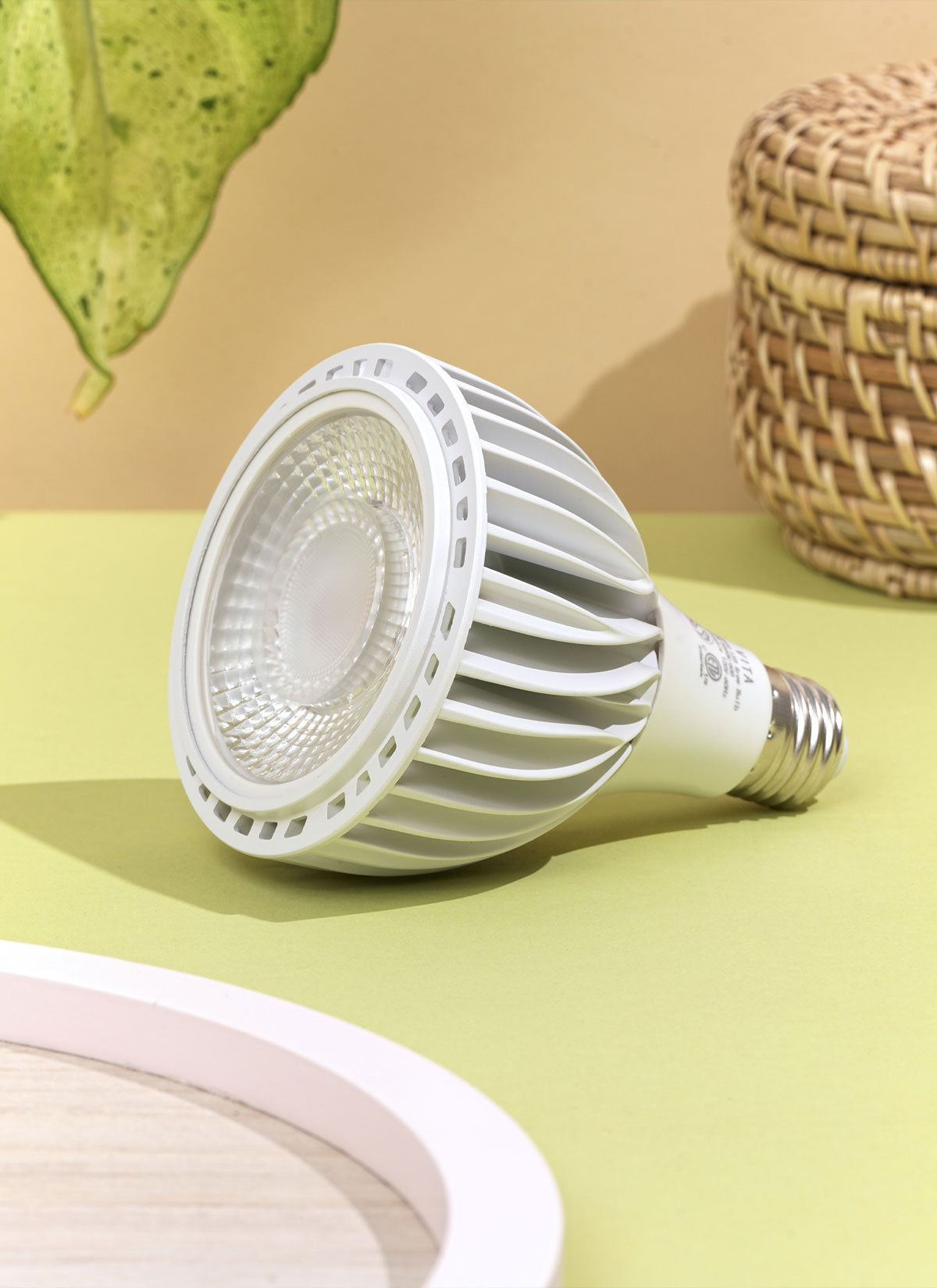
The Monstera Albo needs significantly more light than a standard Monstera. The white parts of the leaves cannot photosynthesize, so the green parts must work overtime. Provide bright, indirect light for at least 6-8 hours a day. Avoid direct afternoon sun, which will quickly scorch and turn the white variegation brown and crispy.

Discover Our Grow Lights

BEST SELLER
Vita™ Grow Light
$121.00 CAD

Color:

White / Wide (60°) Black / Wide (60°)
Highland™ LED Track Light System
$326.00 CAD - $1,047.00 CAD

Color:

White / 1 light / Narrow (36 Degrees) Black / 1 light / Narrow (36 Degrees)
Grove™ LED Grow Light
$184.00 CAD

Color:

Black White

Watering

Quick Tip: Water when the top 2-3 inches of soil are dry. Do not overwater.

Overwatering is the fastest way to lose an Albo. The variegated sections are highly susceptible to "browning" if the roots are too wet. Use the "soak and dry" method: water thoroughly until it drains, then wait until the soil is mostly dry before watering again. Using distilled or filtered water can help prevent browning edges on the white patches.

Temperature

Preferred Temperature: 65º - 85º

This tropical plant thrives in warm, stable temperatures. Keep it away from cold drafts, air conditioners, and heaters. If temperatures drop below 60°F, growth will stall, and the plant may suffer cold damage.

Humidity

Preferred Humidity: 60 - 80%; High Humidity

While it can survive in average home humidity, the Monstera Albo produces larger, healthier leaves in high humidity. Low humidity often causes the white variegation to crisp and turn brown. Use a humidifier or a pebble tray to maintain a tropical environment.

Additional Plant Care

Propagation
The Monstera Albo is almost exclusively propagated by stem cuttings. How to Propagate: Ensure your cutting has at least one node and, ideally, an aerial root. Rooting in sphagnum moss or perlite is generally safer than water to prevent the valuable cutting from rotting. Important Tip: The amount of variegation on the new growth is determined by the "auxiliary bud" on the stem. Look for a stem with balanced green and white stripes.
Toxicity
Quick Warning: The Monstera Albo is toxic to humans and animals.Like all Monsteras, it contains calcium oxalate crystals. If chewed or swallowed, it causes immediate swelling of the mouth and throat, drooling, and digestive distress. Keep this high-value plant out of reach of pets.
Repotting
REPOTING Repotting should be done carefully to avoid transplant shock. When to Repot: Every 1–2 years in the spring, or when the plant becomes root-bound. Choose a Pot: Use a pot with large drainage holes. Since Albos love to climb, this is the perfect time to add a moss pole. Repot: Use a very airy, chunky mix to ensure maximum oxygen reaches the roots.
Pruning
PRUNING Pruning is usually done to control size or manage variegation. Maintenance: Remove any dead or damaged leaves at the base. Managing Reversion: If the plant starts producing solid green leaves, you may need to prune it back to the last variegated leaf to encourage the white patterning to return. Always use sterilized tools to prevent the spread of disease to this sensitive cultivar.
Fertilizer
FERTILIZER Monstera Albo needs consistent nutrients but is sensitive to over-fertilization. What to Use: A balanced liquid fertilizer diluted to half strength. When to Apply: Fertilize once a month during the spring and summer. Avoid fertilizing in the winter.
Soil
A "chunky" aroid mix is mandatory for a healthy Albo. Ideal Mix: A mix that provides a balance of moisture retention and extreme aeration. Recommended Blend: 1 part potting soil, 1 part orchid bark, 1 part perlite, and a handful of horticultural charcoal. Important Tip: Never use standard, heavy potting soil alone; it will suffocate the roots and cause rot.

Hanging Heights

Variegated Monstera Albo Lighting Requirements: High Light (Bright Indirect Light)

If you love a clean, intentional home, you already know this feeling. You want lush, thriving plants. But most grow lights look like they belong in a greenhouse, not a carefully styled living room.

The good news? That has changed. A new generation of grow lights was designed with real homes in mind, and a few of them fit a minimalist aesthetic so naturally that guests won't know what they're looking at. They'll just notice your plants look really good.

Here are three Soltech grow lights worth considering if the look of your space matters as much as the health of your plants.

The secret to styling a statement plant in a small apartment is to build upward instead of outward: pick one bold focal plant per zone, lift it off the floor or tuck it into a dead corner, and give it enough light to actually thrive. This guide covers which plants make the biggest impact, how to place them without crowding your space, the light they need, and a simple step-by-step for styling them.

Today it's one of the most popular indoor plants worldwide. It is appreciated for its adaptability, low maintenance needs, and cultural symbolism. This guide covers light, water, soil, environment, pruning, and setup so your Lucky bamboo can thrive long-term.