• Login
Search Login

Search anything about Plant Lighting, Content, and More.

How To Start a Beautiful and Eco-Friendly Balcony Garden

How To Start a Beautiful and Eco-Friendly Balcony Garden

Balconies are great. When living in a big city, it can be hard to capture some of that outdoors vibe that come with regular houses. There is no backyard you can have your dog run around in and there is very minimal greenery amongst all the concrete. However, even the smallest of balconies can help you have that full outdoors experience. Now after a long day of work, you can sit down and relax on your balcony, get some fresh air and enjoy all the benefits of the outdoors. One way to further enhance your balcony is by adding a balcony garden.
Benefits to Having a Balcony Garden

Grow your own food

balcony garden

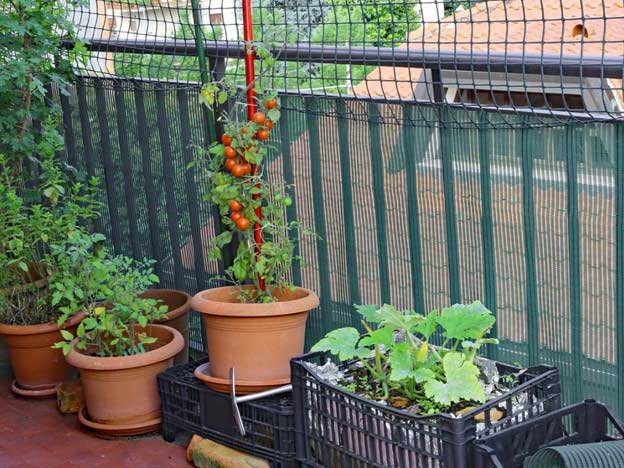
Plants that can grow up things such as the tomato plant above can be useful for a balcony with limited space

Image credit: ChiccoDodiFC

As is the case with most things, food prices are going up. Shipping struggles and backlogged warehouses mean it is very difficult for stores and markets to be fully stocked with goods. Instead of going to the grocery market and either being turned away due to the price or the lack of availability, why not grow your own food on your balcony? If you have a balcony with a good amount of sunlight throughout the day, this may be for you. Grow any fruit or vegetable from tomatoes and carrots to basil and mint. As you can see in the picture above, vertical farming can be useful in spaces with limited room. Instead of compromising the horizontal space for you to enjoy your balcony comfortably, you can utilize the vertical space to have the best of both worlds. Check out this blog on vertical farming to get a better understanding on this new farming method.

Outdoorsy Feel

As mentioned previously in this article, if you have a balcony in your residence, you likely don’t have much nature around you. Utilize this little piece of the outside that you do have to its fullest potential. You can add anything from small planters to bigger pots with trees and larger plants. If you want to keep your balcony as eco-friendly as possible, we suggest checking out the Top 10 Eco-friendly planters blog to find the best planter for you that also doesn’t harm the planet in the long term.

White fuzz or dark smudges on a terracotta pot are one of the most common things plant owners search for, and the good news is that it is almost always easy to explain and even easier to fix.

Succulents need six to eight hours of bright light a day to stay healthy, according to South Dakota State University Extension, but many of the spots homeowners love to style them, bookshelves, bathroom vanities, dark entryway consoles, fall well short of that. Styling succulents well and keeping them alive both come down to matching the display spot to the plant's actual light needs, not just picking a pretty vessel. This guide covers why succulents have become such a popular decor choice, how much light they truly need, the riskiest styling spots, how to catch warning signs early, and how to keep the look without sacrificing the plant.

Houseplants absorb light through chlorophyll to fuel photosynthesis, the type of light reaching a plant matters just as much as how much of it there is. Direct light means unfiltered sun rays landing straight on a plant's leaves, while indirect light has been filtered, diffused, or bounced off another surface before it reaches the plant. This guide breaks down what actually separates the two, why the difference determines whether a plant thrives or scorches, and how to tell which one you're actually working with at home.