• Login
Search Login

Search anything about Plant Lighting, Content, and More.

Calathea White Fusion

SCENTIFIC NAME: Calathea lietzei 

KNOWN AS: Calathea 'White Fusion', White Fusion, Prayer Plant

CLIMATE (LOCATION): South America | Tropical

DESCRIPTION: The Calathea 'White Fusion' is a stunning and dramatic tropical plant known for its variegated leaves that feature a mesmerizing blend of white, green, and lilac hues. Like other prayer plants, its leaves move in response to light, adding a dynamic element to its care.

Calathea White Fusion Plant Care

Lighting

Light Requirement: High Light (Bright Indirect Light)
The Calathea 'White Fusion' thrives on bright, indirect light. It is crucial to keep this plant out of direct sunlight, as it can easily burn and fade its leaves. A north- or east-facing window is often the best location.

Discover Our Grow Lights

SAVE 15%
Aspect™ Gen 2 LED Growlight
$237.00 CAD $279.00 CAD

Color:

White Black
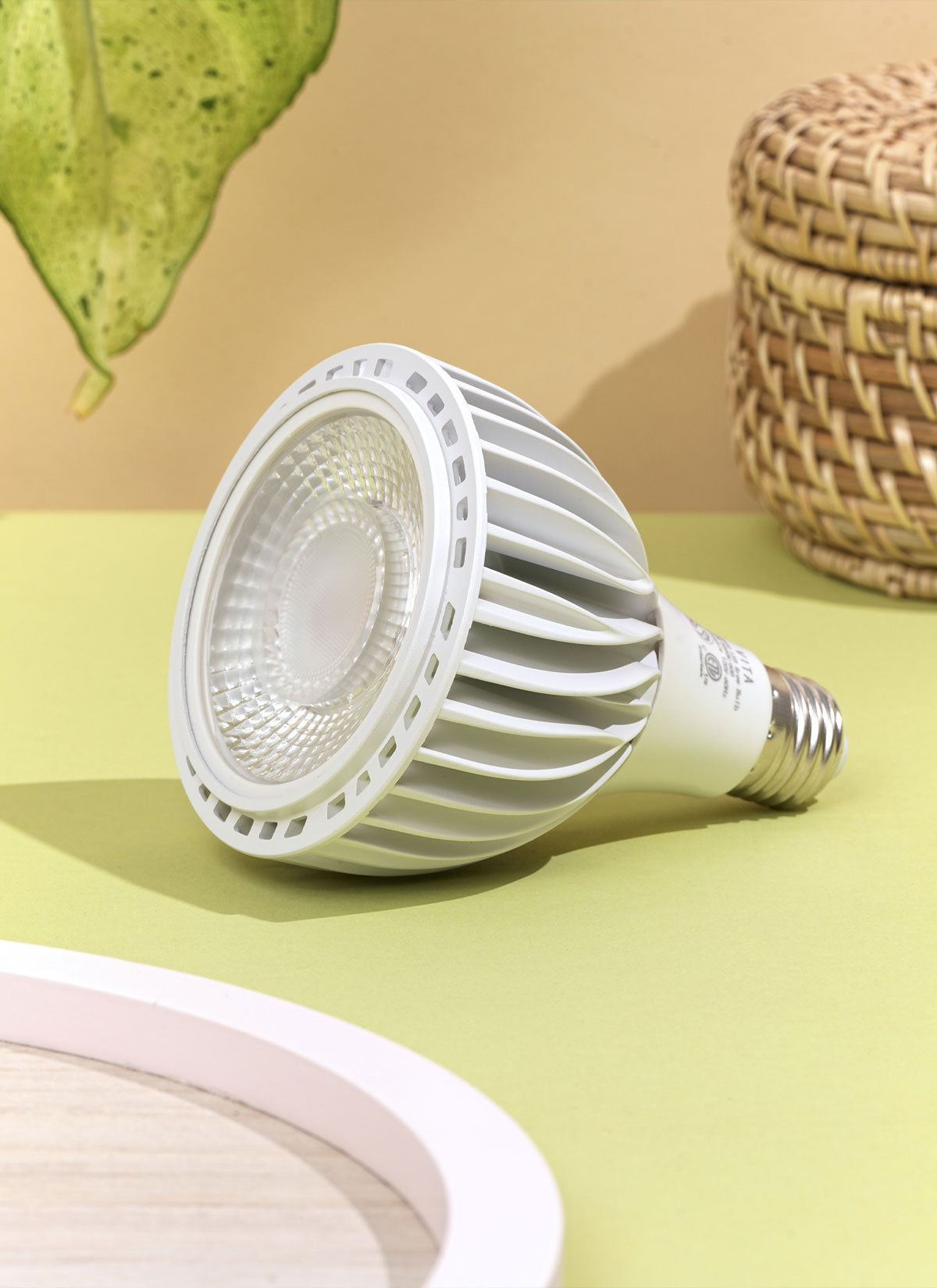
Vita™ Grow Light
$119.00 CAD

Color:

White / Wide (60°) Black / Wide (60°)
Highland™ LED Track Light System
$321.00 CAD - $1,030.00 CAD

Color:

White / 1 light / Narrow (36 Degrees) Black / 1 light / Narrow (36 Degrees)
SAVE 15%
Grove™ LED Grow Light
$154.00 CAD $181.00 CAD

Color:

Black White

Watering

Quick Tip: Keep the soil consistently moist, but not waterlogged.

The Calathea 'White Fusion' is very sensitive to watering. Water thoroughly when the top inch of soil feels slightly dry. It is crucial to use distilled, filtered, or rainwater as the plant is sensitive to the minerals in tap water, which can cause brown leaf tips.

Temperature

Preferred Temperature: 65º - 75º

The Calathea 'White Fusion' prefers warm, stable temperatures. The ideal range is between 65-75°F. It is extremely sensitive to cold drafts and temperatures below 60°F.

Humidity

Preferred Humidity: 60 - 70%; High Humidity

The Calathea 'White Fusion' requires high humidity to thrive. You can maintain this level by using a humidifier, placing the pot on a tray of pebbles with water, or grouping it with other plants.

Additional Plant Care

Propagation
The easiest way to propagate a Calathea 'White Fusion' is by division. Gently remove the plant from its pot and carefully separate the root system into smaller clumps. Plant the new divisions into separate pots with fresh, well-draining soil.
Toxicity
The Calathea 'White Fusion' is non-toxic to humans and animals. This plant is safe for households with children and pets.
Repotting
Calathea 'White Fusion' plants prefer to be slightly root-bound. Repotting is typically only necessary every 1-2 years, or when the plant has outgrown its pot. The best time to repot is in the spring. Select a new pot that is only slightly larger and has drainage holes. Use fresh, well-draining soil and carefully place the plant in the new pot, filling in the sides with fresh soil.
Pruning
Pruning is a minimal task for the Calathea 'White Fusion'. Trim away any dead, yellowing, or damaged leaves as soon as you see them. Use clean, sharp shears to cut the leaf stem off at the base. This redirects the plant's energy to new, healthy growth.
Fertilizer
Calathea 'White Fusion' benefits from regular fertilization during the growing season. A balanced, liquid fertilizer diluted to half strength is ideal. Fertilize every 4 to 6 weeks during the spring and summer growing season. Do not fertilize during the fall and winter.
Soil
The right soil is crucial for a healthy Calathea 'White Fusion'. The plant requires a well-draining, peat-based soil that retains some moisture. A good mix is potting soil amended with perlite and a small amount of orchid bark to improve drainage. Always use a pot with a drainage hole to ensure excess water can escape and prevent root rot.

Hanging Heights

Calathea White Fusion Lighting Requirements: High Light (Bright Indirect Light)

For years, indoor gardening often meant hiding unsightly purple-hued equipment in basements or behind furniture. However, a significant shift in interior design has transformed plant care into a centerpiece of the home. Modern interior designers are no longer tucking grow lights away; they are treating them as intentional, sculptural elements that define the atmosphere of a room.

You bought a Snake Plant or a ZZ Plant because the tag said "low light tolerant." You placed it in that stylish, dim corner of your living room or on a bookshelf far from the window. Six months later, the leaves are yellowing, the growth has stalled, and the plant looks like it’s slowly fading away.

Living in an apartment often means balancing a love for indoor jungles with the strict reality of a lease agreement. For many renters, the primary barrier to supplemental lighting is the assumption that high-quality fixtures require permanent installation. If you are wary of losing your security deposit or aren't handy with a power drill, you don’t have to sacrifice your plants to a dark corner.