• Login
Search Login

Search anything about Plant Lighting, Content, and More.

Echeveria

SCIENTIFIC NAME: Echeveria spp

KNOWN AS: Echeveria

CLIMATE (LOCATION): Mexico & Central America | Arid & Semi-Arid

DESCRIPTION: The Echeveria is a beautiful and very popular succulent known for its fleshy, spoon-shaped leaves that form a tight, architectural rosette. These plants are cherished for their wide variety of colors and textures, making them a stunning, drought-tolerant addition to any plant collection.

Echeveria Plant Care

Lighting

Light Requirement: High Light (Bright Indirect Light)

The Echeveria requires a lot of sun to maintain its compact, vibrant rosette shape. It thrives on at least 4-6 hours of direct sunlight per day. Insufficient light will cause the plant to stretch out (etiolate) and become pale.

Discover Our Grow Lights

BEST SELLER
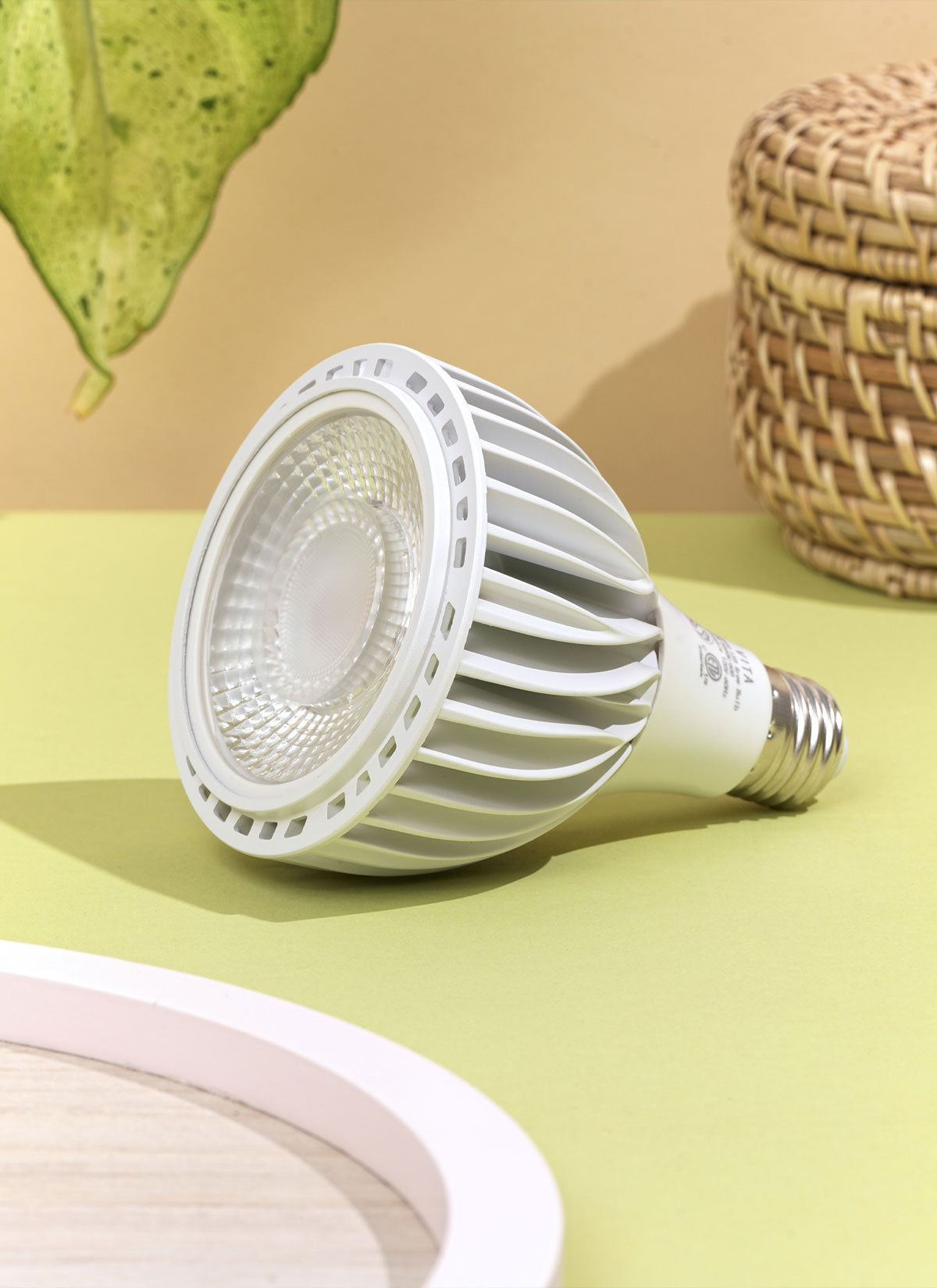
Vita™ Grow Light
$121.00 CAD

Color:

White / Wide (60°) Black / Wide (60°)
Highland™ LED Track Light System
$326.00 CAD - $1,047.00 CAD

Color:

White / 1 light / Narrow (36 Degrees) Black / 1 light / Narrow (36 Degrees)
Grove™ LED Grow Light
$184.00 CAD

Color:

Black White

Watering

Quick Tip: Allow soil to completely dry out before watering.

The Echeveria is highly susceptible to overwatering, which is the most common cause of root rot. Water thoroughly using the "soak and dry" method only when the soil is completely dry to the touch. Reduce watering significantly in the fall and winter.

Temperature

Preferred Temperature: 65º - 80º

The Echeveria prefers warm, stable temperatures. The ideal range is between 65-80°F. It is sensitive to cold and must be protected from temperatures below 40°F and from drafts.

Humidity

Preferred Humidity: 30 - 50%; Low/Moderate Humidity

As a desert succulent, the Echeveria prefers a low humidity environment. High humidity can contribute to fungal issues and rot, especially if combined with overwatering.

Additional Plant Care

Propagation
Echeverias are easily propagated by leaf cuttings or by removing offsets (pups). Leaf Cuttings: Gently twist a healthy leaf off the stem and let it form a callus for a few days before laying it on top of moist, well-draining soil. Offsets: Carefully remove the small plantlets that grow from the base of the main rosette and plant them in their own pots.
Toxicity
The Echeveria is non-toxic to humans and animals. This makes the Echeveria a great choice for households with children and pets.
Repotting
The Echeveria is a slow grower and prefers to be slightly pot-bound. When to Repot: Repotting is typically only necessary every 2-3 years, or when the plant has outgrown its pot. The best time to repot is in the spring or summer. Choose a Pot: Select a new pot that is only slightly larger and has drainage holes. Repot: Use fresh, gritty soil and carefully place the plant in the new pot.
Pruning
Pruning is a minimal task for the Echeveria. What to Remove: Trim away any dead or dried-up leaves from the bottom of the rosette. Purpose: If the plant has stretched out due to low light, you can "behead" it by cutting the rosette off and replanting it, which encourages new root growth.
Fertilizer
Echeverias do not require frequent fertilization. What to Use: A low-nitrogen, balanced liquid fertilizer diluted to half strength is ideal. When to Apply: Fertilize only once a month during the spring and summer growing season. Do not fertilize during the fall and winter.
Soil
The right soil is crucial for a healthy Echeveria. Ideal Mix: The plant requires a very well-draining, gritty soil mix. Recommended Blend: A good mix is cactus or succulent potting mix amended with perlite or pumice to ensure quick drainage. Important Tip: Always use a pot with a drainage hole to ensure excess water can escape immediately and prevent root rot.

Hanging Heights

Echeveria Lighting Requirements: High Light (Bright Indirect Light)

You've got a pothos on the windowsill. Maybe a snake plant in the corner. And somewhere along the way, you started wondering if there's more to it than that.

There is.

The apartments that feel truly alive, the ones you scroll past on Pinterest and instantly want to live in, aren't just homes with a few plants in predictable spots. They're intentional. A trailing vine above the kitchen cabinets. A lush fern tucked into the bathroom. A sculptural snake plant in the entryway that makes you feel like you've arrived somewhere good.

A lot of those looks are more achievable than they seem. And with the right plant, and sometimes a little help from a grow light, even the darker, more forgotten corners of your apartment can become something worth noticing.

Here are five unexpected places to bring your plant styling ideas to life.

Light fades faster than most people expect once it travels indoors. Because of a principle called the inverse square law, a plant sitting about six feet from a window can receive only around a quarter of the light hitting the glass. That is why plants on open shelving usually need either a naturally bright location or a little extra light to truly thrive instead of slowly stretching and fading.

You can fill a kitchen with greenery and zero counter space by going vertical: hanging planters, wall-mounted shelves, magnetic pots, and cabinet tops, paired with a compact under-cabinet grow light wherever sunlight runs short.