• Login
Search Login

Search anything about Plant Lighting, Content, and More.

Living Stone

SCENTIFIC NAME: Lithops

KNOWN AS: Living Stone Plant, Flowering Stones, Pebble Plants

CLIMATE (LOCATION): Southern Africa | Arid

DESCRIPTION:  The Living Stone Plant is one of the most unique and fascinating succulents, known for its incredible camouflage. The plant consists of two fleshy, fused leaves that resemble pebbles or stones. It follows an unusual annual cycle of shedding its old leaves to reveal a new set.

Living Stone Plant Care

Lighting

Light Requirement: Full Sun (Bright Direct Light) & High Light (Bright Indirect Light)
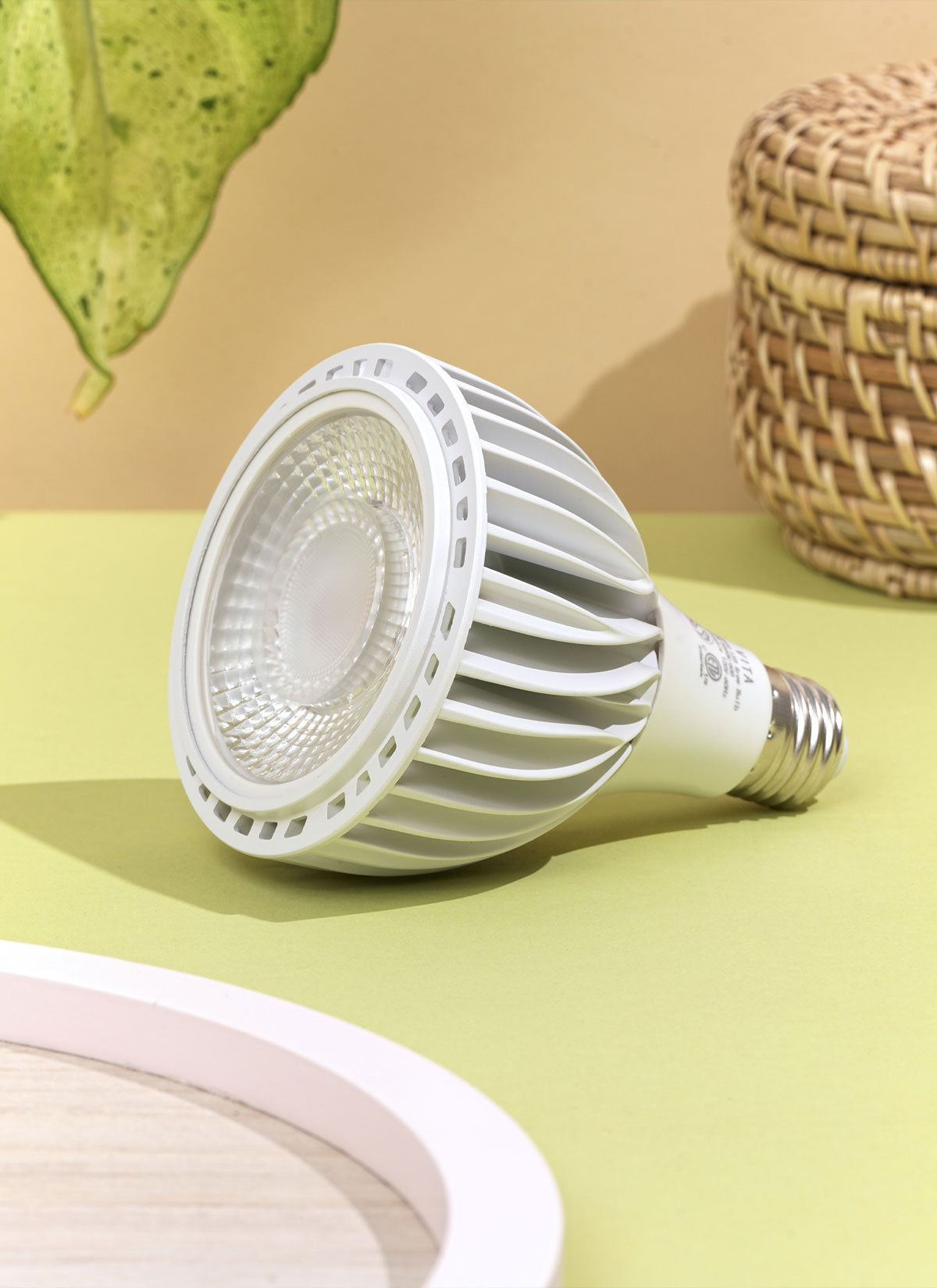
The Living Stone Plant requires intense, bright direct sunlight for several hours a day to maintain its compact shape and prevent stretching (etiolation). The best location is a south-facing window. Without enough direct sun, the plant will become weak and lose its natural camouflage shape.

Discover Our Grow Lights

SAVE 15%
Aspect™ Gen 2 LED Growlight
$237.00 CAD $279.00 CAD

Color:

White Black
Vita™ Grow Light
$119.00 CAD

Color:

White / Wide (60°) Black / Wide (60°)
Highland™ LED Track Light System
$321.00 CAD - $1,030.00 CAD

Color:

White / 1 light / Narrow (36 Degrees) Black / 1 light / Narrow (36 Degrees)
SAVE 15%
Grove™ LED Grow Light
$154.00 CAD $181.00 CAD

Color:

Black White

Watering

Quick Tip: Water only when the leaves look soft or slightly shriveled. NEVER water when the plant is splitting.

Watering is crucial and based on the plant’s specific growth cycle. Water thoroughly but sparingly, primarily during its growing period (late spring/early autumn). Do not water at all during the winter dormancy or when the plant is actively splitting and forming new leaves, as this can cause the new leaves to rot.

Temperature

Preferred Temperature: 65º - 80º

The Living Stone Plant prefers warm, stable temperatures during the day. It can tolerate slightly cooler temperatures at night (around 50-60°F), which can encourage stronger growth. It must be protected from freezing temperatures.

Humidity

Preferred Humidity: 30 - 50%; Low/Moderate Humidity

As a desert plant, the Living Stone Plant requires low humidity. High humidity and poor air circulation can contribute to fungal growth and stem rot. No misting or humidity trays are necessary.

Additional Plant Care

Propagation
The easiest ways to propagate the Living Stone Plant are by division or from seeds. Division: Carefully divide a mature plant clump that has several "heads." Seeds: Sow seeds on the surface of a sandy, well-draining soil mix.
Toxicity
The Living Stone Plant is non-toxic to humans and animals. This plant is safe for households with children and pets.
Repotting
The Living Stone Plant is a slow grower and develops a large taproot, so it needs a deep pot. When to Repot: Repotting is typically only necessary every 2-3 years, or when the plant has completely outgrown its pot. The best time to repot is in the spring. Choose a Pot: Select a pot that is deep enough to accommodate its long taproot and has drainage holes. Repot: Use a fresh, gritty soil mix.
Pruning
Pruning is not necessary for the Living Stone Plant. The plant naturally recycles its old leaves as the new leaves grow, so the old leaves should be left to wither and dry naturally.
Fertilizer
The Living Stone Plant is adapted to nutrient-poor soil and generally does not need fertilizer. If you choose to fertilize, use a very highly diluted, low-nitrogen fertilizer once or twice during the early growing season. Over-fertilizing can be harmful.
Soil
The right soil is crucial for a healthy Living Stone Plant. Ideal Mix: The plant requires an extremely gritty, fast-draining soil mix with minimal organic matter. Recommended Blend: A good mix is 80-90% inert material like pumice, perlite, or coarse sand, and only 10-20% cactus potting soil. Important Tip: Always use a pot with a drainage hole to ensure excess water can escape immediately and prevent root rot.

Hanging Heights

Living Stone Lighting Requirements: Full Sun (Bright Direct Light) & High Light (Bright Indirect Light)

For years, indoor gardening often meant hiding unsightly purple-hued equipment in basements or behind furniture. However, a significant shift in interior design has transformed plant care into a centerpiece of the home. Modern interior designers are no longer tucking grow lights away; they are treating them as intentional, sculptural elements that define the atmosphere of a room.

You bought a Snake Plant or a ZZ Plant because the tag said "low light tolerant." You placed it in that stylish, dim corner of your living room or on a bookshelf far from the window. Six months later, the leaves are yellowing, the growth has stalled, and the plant looks like it’s slowly fading away.

Living in an apartment often means balancing a love for indoor jungles with the strict reality of a lease agreement. For many renters, the primary barrier to supplemental lighting is the assumption that high-quality fixtures require permanent installation. If you are wary of losing your security deposit or aren't handy with a power drill, you don’t have to sacrifice your plants to a dark corner.