• Login
Search Login

Search anything about Plant Lighting, Content, and More.

Tradescantia Zebrina

SCENTIFIC NAME: Tradescantia zebrina

KNOWN AS: Silver Inch Plant, Wandering Dude, Zebra Spiderwort

CLIMATE (LOCATION): Mexico & Central America | Tropical

DESCRIPTION: The Tradescantia zebrina is one of the most vibrant and fast-growing houseplants available. It features succulent-like stems with oval leaves that boast a shimmering metallic silver and green pattern on the top, with a deep, solid purple underside. Its trailing habit makes it a favorite for hanging baskets and high shelves.

Tradescantia Zebrina Plant Care

Lighting

Light Requirement: High Light (Bright Indirect Light)
To maintain its intense purple and silver coloration, the Silver Inch Plant needs bright, indirect light. In lower light, the colors will fade to a dull green and the stems will become "leggy" with large gaps between leaves. Avoid direct midday sun, which can wash out the colors or scorch the leaves.

Discover Our Grow Lights

SAVE 15%
Aspect™ Gen 2 LED Growlight
$237.00 CAD $279.00 CAD

Color:

White Black
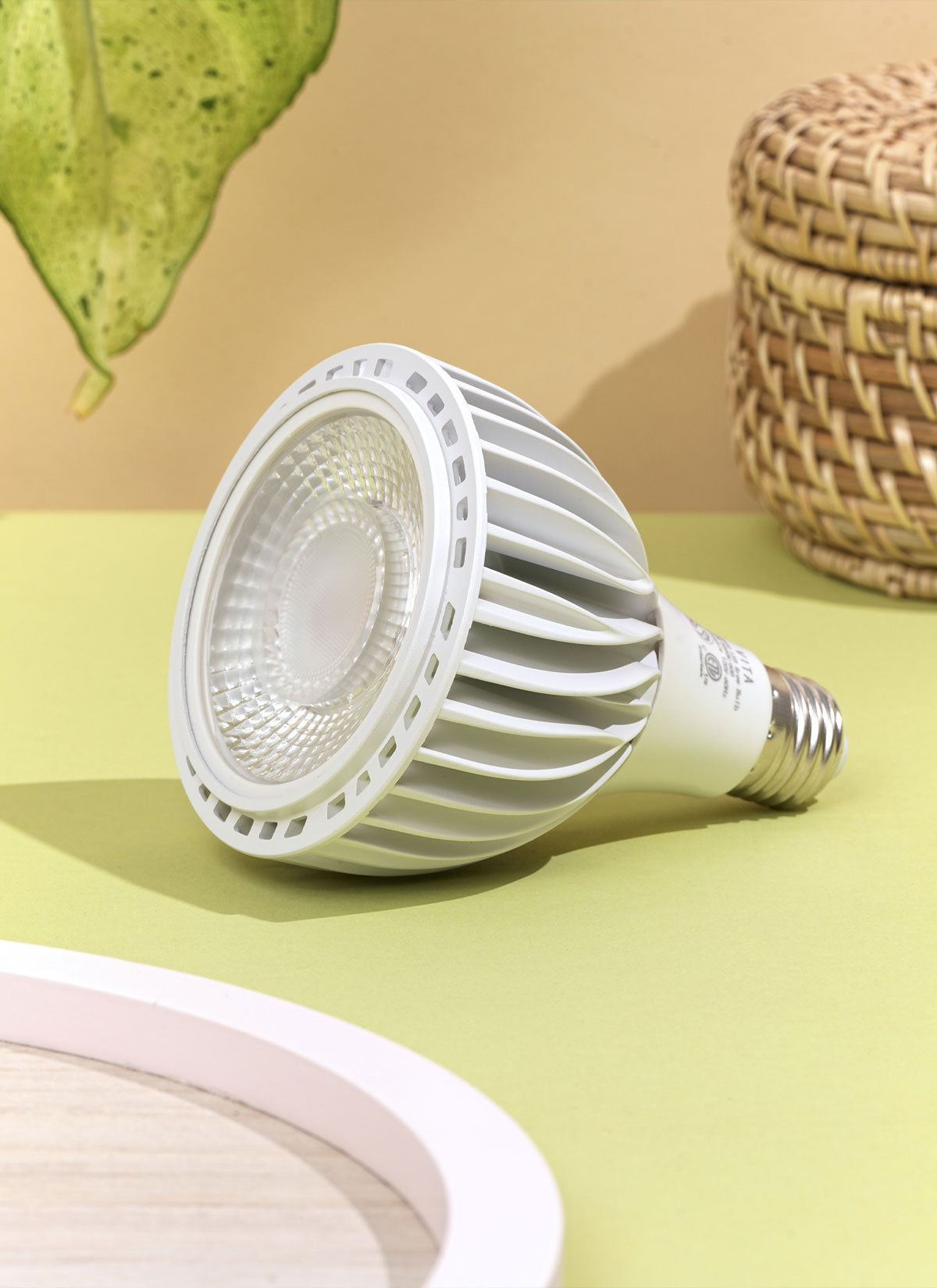
Vita™ Grow Light
$119.00 CAD

Color:

White / Wide (60°) Black / Wide (60°)
Highland™ LED Track Light System
$321.00 CAD - $1,030.00 CAD

Color:

White / 1 light / Narrow (36 Degrees) Black / 1 light / Narrow (36 Degrees)
SAVE 15%
Grove™ LED Grow Light
$154.00 CAD $181.00 CAD

Color:

Black White

Watering

Quick Tip: Allow the top inch of soil to dry out between waterings.

This plant prefers to stay consistently moist but not soggy. It is somewhat drought-tolerant due to its succulent-like stems, but it will drop leaves if left dry for too long. Important: Water directly into the soil; water trapped in the leaf axils or sitting on the foliage can easily cause the stems to rot.

Temperature

Preferred Temperature: 60º - 80º

The Silver Inch Plant thrives in standard indoor temperatures. It is sensitive to frost and should be kept away from cold winter drafts. If kept outdoors in the summer, bring it inside once nighttime temperatures consistently drop below 50°F.

Humidity

Preferred Humidity: 40 - 60%; Moderate Humidity

While it enjoys a bit of extra humidity, it is very adaptable to average home humidity. If the air is extremely dry, the leaf tips may turn brown. Instead of misting (which risks rot), use a humidifier or group it with other plants.

Additional Plant Care

Propagation
This is arguably the easiest plant to propagate in the world. How to Propagate: Simply snip a 3-4 inch stem cutting, remove the bottom leaves, and stick it directly into moist soil or a glass of water. Tip: Roots usually appear within 3–7 days. You can "pinch back" long vines and stick them back into the top of the pot to keep the parent plant looking full.
Toxicity
Quick Warning: Toxic to cats and dogs.The sap of the Tradescantia can cause skin irritation (dermatitis) in both humans and pets. If ingested, it can cause mild digestive upset. It is best kept in a hanging basket out of reach.
Repotting
Because it grows so fast, it may need a larger pot or a "refresh" every year.When to Repot: When the plant becomes root-bound or the center of the plant starts to look "balding." Choose a Pot: A wide, shallow pot or hanging basket is ideal. Refresh Tip: These plants can become spindly over time. Many growers choose to restart the plant from cuttings every 2 years rather than repotting a leggy specimen.
Pruning
Pruning is the "secret" to a beautiful Tradescantia. Maintenance: Regularly pinch back the growing tips. This forces the plant to branch out, resulting in a much bushier, more attractive plant. Legginess: If a vine gets too long and lose its leaves near the base, prune it off and propagate the healthy end.
Fertilizer
The Silver Inch Plant is a moderate grower that appreciates regular nutrients.What to Use: A balanced liquid fertilizer diluted to half strength.When to Apply: Every 2 weeks during the spring and summer. Do not fertilize in the winter.
Soil
A lightweight, well-draining soil is essential. Ideal Mix: A standard indoor potting soil with added drainage. Recommended Blend: 2 parts potting soil to 1 part perlite. This prevents the roots and lower stems from sitting in too much moisture, which is the primary cause of plant failure.

Hanging Heights

Tradescantia Zebrina Lighting Requirements: High Light (Bright Indirect Light)

For years, indoor gardening often meant hiding unsightly purple-hued equipment in basements or behind furniture. However, a significant shift in interior design has transformed plant care into a centerpiece of the home. Modern interior designers are no longer tucking grow lights away; they are treating them as intentional, sculptural elements that define the atmosphere of a room.

You bought a Snake Plant or a ZZ Plant because the tag said "low light tolerant." You placed it in that stylish, dim corner of your living room or on a bookshelf far from the window. Six months later, the leaves are yellowing, the growth has stalled, and the plant looks like it’s slowly fading away.

Living in an apartment often means balancing a love for indoor jungles with the strict reality of a lease agreement. For many renters, the primary barrier to supplemental lighting is the assumption that high-quality fixtures require permanent installation. If you are wary of losing your security deposit or aren't handy with a power drill, you don’t have to sacrifice your plants to a dark corner.