• Login
Search Login

Search anything about Plant Lighting, Content, and More.

Dragon Tree ‘Colorama’

SCIENTIFIC NAME: Dracaena marginata 'Colorama'

KNOWN AS: Colorama Dracaena, Madagascar Dragon Tree, Red-Margined Dracaena

CLIMATE (LOCATION): Madagascar | Tropical/Subtropical

DESCRIPTION: The 'Colorama' is the most vibrant cultivar of the Dragon Tree family. It features slim, sword-like leaves that grow in tufts atop woody, slender canes. While the standard D. marginata has green leaves with red edges, the 'Colorama' is heavily variegated with vivid pink and red stripes that nearly hide the green center. It is a slow-growing, architectural plant that can eventually reach several feet in height, making it a perfect floor

Dragon Tree ‘Colorama’ Plant Care

Lighting

Light Requirement: High Light (Bright Indirect Light)
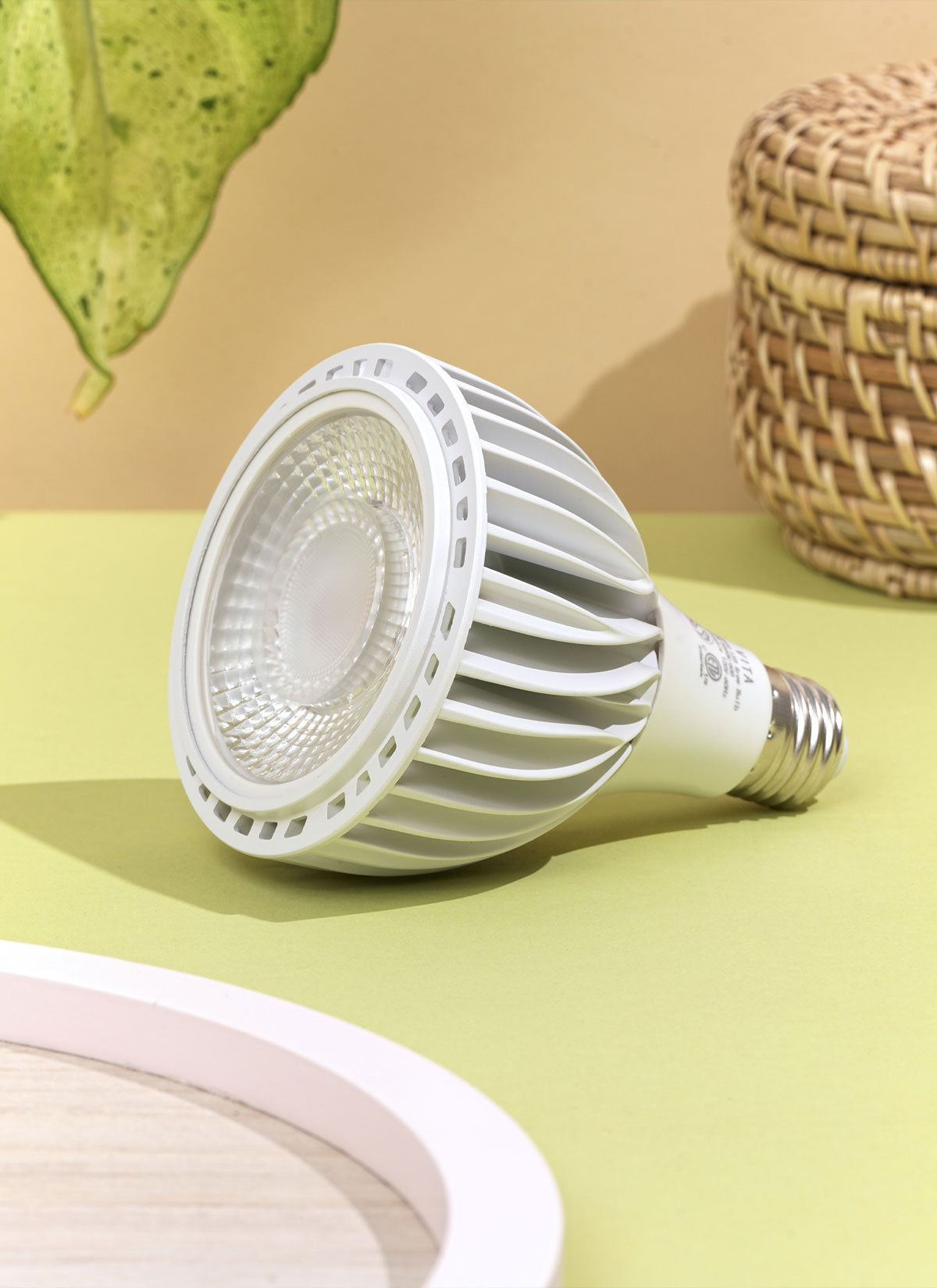
To maintain the intense pink/red coloration, light is essential.

The Goal: Provide bright, filtered light. The more light it gets, the brighter the pink stripes will be.

Low Light: It is famously tolerant of low light, but there is a trade-off: the vibrant pink will fade to a duller green, and the plant will grow very slowly.

Direct Sun: It can handle some morning sun, but harsh afternoon sun will scorch the narrow leaves and cause brown streaks.

Discover Our Grow Lights

SAVE 20%
Aspect™ Gen 2 LED Growlight
$229.00 CAD $287.00 CAD

Color:

White Black
SAVE 15%
Vita™ Grow Light
$104.00 CAD $122.00 CAD

Color:

White / Wide (60°) Black / Wide (60°)
SAVE UP TO 30%
Highland™ LED Track Light System
$280.00 CAD - $742.00 CAD $1,059.00 CAD

Color:

White / 1 light / Narrow (36 Degrees) Black / 1 light / Narrow (36 Degrees)
SAVE 20%
Grove™ LED Grow Light
$149.00 CAD $187.00 CAD

Color:

Black White

Watering

Quick Tip: Water when the top 50–75% of the soil is dry. Sensitive to fluoride.

The Routine: Dracaenas prefer to be on the drier side. If you overwater, the tips of the leaves will turn yellow and fall off.

The Water Issue: Like the Blue Dracaena we discussed earlier, the 'Colorama' is sensitive to fluoride and salts in tap water.

The Solution: Use distilled, rain, or filtered water to prevent the tips of the leaves from turning brown and "crispy."

Temperature

Preferred Temperature: 65º - 80º

The Dragon Tree loves a steady, warm environment.

The Limit: It is not frost-tolerant. If temperatures drop below 55°F, you may see the leaves begin to droop or drop off.

Stability: Keep it away from AC vents or heaters, as sudden temperature fluctuations can cause leaf drop.

Humidity

Preferred Humidity: 40 - 60%; Moderate Humidity

This is one of the best plants for modern homes because it handles average indoor humidity very well.

Low Humidity: If the air becomes extremely dry (under 30%), you may notice brown tips on the leaves. A light misting or a pebble tray is usually more than enough to keep it happy.

Additional Plant Care

Propagation
Dragon Trees are very easy to propagate via stem cuttings. How to Propagate: You can cut off the "head" (the leafy top) and root it in water or moist soil. The Result: The original woody cane will sprout new tufts of leaves near the cut, often resulting in a fuller, multi-headed appearance. Air Layering: This is a more advanced method often used for taller specimens to ensure root success before cutting.
Toxicity
Quick Warning: Toxic to cats and dogs. Contains saponins. If ingested by pets, it can cause dilated pupils (especially in cats), vomiting, drooling, and lack of coordination. Keep it on a stand or in a room where pets don't wander.
Repotting
When to Repot: Only every 2–3 years. They have a small root system and actually prefer to be a bit snug in their pots. The Pot: Use a heavy pot (ceramic or clay) because the plant can become top-heavy as it grows taller. Soil: Ensure the pot has a large drainage hole.
Pruning
Managing Height: If it gets too tall, don't be afraid to cut the canes. It feels aggressive, but the plant will bounce back with new growth. Grooming: It is natural for the bottom leaves to turn brown and fall off as the plant grows taller (this is how the "cane" forms). Simply pull these leaves off to keep the plant looking clean. Cleaning: Use a damp cloth to wipe the narrow leaves occasionally to remove dust.
Fertilizer
Quick Tip: Feed sparingly; Dracaenas are slow growers. What to Use: A balanced liquid houseplant fertilizer diluted to half strength. When to Apply: Once a month during the spring and summer. Warning: Avoid fertilizers with superphosphate, as Dracaenas are highly sensitive to the fluoride often found in these mixes. Winter: Do not fertilize in the winter.
Soil
Ideal Mix: A fast-draining potting soil. Recommended Blend: 2 parts potting soil to 1 part perlite or coarse sand. This ensures that the roots never sit in stagnant water, which causes rot.

Hanging Heights

Dragon Tree ‘Colorama’ Lighting Requirements: High Light (Bright Indirect Light)

White fuzz or dark smudges on a terracotta pot are one of the most common things plant owners search for, and the good news is that it is almost always easy to explain and even easier to fix.

Succulents need six to eight hours of bright light a day to stay healthy, according to South Dakota State University Extension, but many of the spots homeowners love to style them, bookshelves, bathroom vanities, dark entryway consoles, fall well short of that. Styling succulents well and keeping them alive both come down to matching the display spot to the plant's actual light needs, not just picking a pretty vessel. This guide covers why succulents have become such a popular decor choice, how much light they truly need, the riskiest styling spots, how to catch warning signs early, and how to keep the look without sacrificing the plant.

Houseplants absorb light through chlorophyll to fuel photosynthesis, the type of light reaching a plant matters just as much as how much of it there is. Direct light means unfiltered sun rays landing straight on a plant's leaves, while indirect light has been filtered, diffused, or bounced off another surface before it reaches the plant. This guide breaks down what actually separates the two, why the difference determines whether a plant thrives or scorches, and how to tell which one you're actually working with at home.