• Login
Search Login

Search anything about Plant Lighting, Content, and More.

Monstera deliciosa

SCIENTIFIC NAME: Monstera deliciosa

KNOWN AS: Swiss Cheese Plant, Fruit Salad Plant, Split-leaf Philodendron

CLIMATE (LOCATION): Central America | Tropical 

DESCRIPTION: Monstera plants are some of the most popular plants around. They have shiny green leaves that split into two parts. People love them because they are easy to take care of and they grow well when they have the chance to climb.

Easy difficulty & pet toxic

Monstera deliciosa Plant Care

Lighting

Light Requirement:

Monstera deliciosa houseplants, thrive in bright, indirect lighting conditions. This can be obtained by placing your monstera in a west or east-facing window, or by using an LED grow light. It's important to avoid bright, direct light as the leaves may burn in these conditions. Monsteras can be placed in low to medium, indirect light but will receive diminished levels of growth.

Discover Our Grow Lights

BEST SELLER
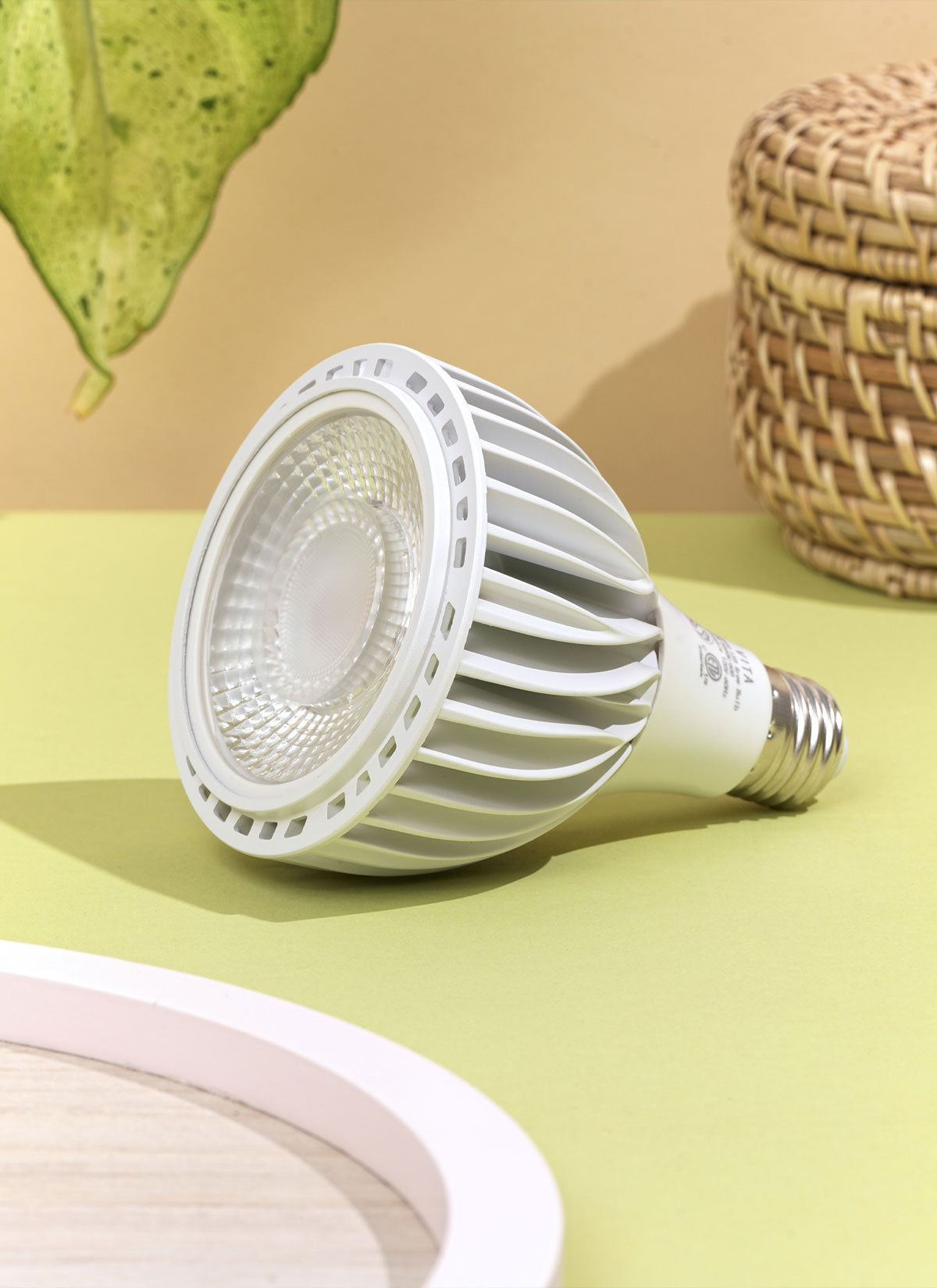
Vita™ Grow Light
$123.00 CAD

Color:

White / Wide (60°) Black / Wide (60°)
Highland™ LED Track Light System
$331.00 CAD - $1,065.00 CAD

Color:

White / 1 light / Narrow (36 Degrees) Black / 1 light / Narrow (36 Degrees)
Grove™ LED Grow Light
$187.00 CAD

Color:

Black White

Watering

Quick Tip: Water until water comes out of drainage holes. Allow top 2 inches of soil to completely dry between waterings.

Watering your monstera plant is an important part of taking care of it. Even though it's important to keep your plant moist, giving it too much water can hurt its health. As a general rule, your monstera needs water when the top inch of soil feels dry. This will keep the plant from sitting in water, which can cause root rot.
Make sure to use water that is at room temperature when you water your monstera. The roots can be shocked by cold water, and the leaves can be burned by hot water. Water the soil around the plant's base until water starts to run out of the pot's bottom. This makes sure that the water gets to the roots and helps the plant grow in a healthy way. Since the air is drier in the winter, you might need to water your monstera less often. On the other hand, you may need to water it more often in the summer when the air is more humid. Keep an eye on how wet the soil is and change how often you water based on that.

Temperature

Preferred Temperature: 65º - 85º

The ideal temperature range for Monstera deliciosa, commonly known as the Swiss cheese plant, is between 65°F (18°C) and 85°F (29°C). This tropical plant thrives in warm and humid conditions, making it well-suited for indoor environments. It is important to maintain a daytime temperature of 70°F to 85°F (21°C to 29°C) to promote optimal growth and development. Nighttime temperatures can be slightly cooler, ranging from 60°F to 70°F (15°C to 21°C). Avoid exposing the plant to temperatures below 55°F (13°C) for extended periods, as it may cause damage. Protecting the plant from cold drafts and providing a stable temperature environment will help ensure its health and vitality.

Humidity

Preferred Humidity: 60 - 80%; High Humidity

Monstera deliciosa thrives in high humidity environments. Ideally, a humidity level of around 60% to 70% is beneficial for its growth and overall well-being. To provide adequate humidity, you can use several methods such as misting the leaves with water, placing the plant on a tray filled with water and pebbles, using a humidifier, or grouping plants together to create a microclimate. Maintaining higher humidity levels can help prevent leaf browning, encourage lush growth, and mimic the plant's natural tropical habitat. However, while high humidity is beneficial, it's also important to ensure good airflow and avoid excessive moisture on the leaves, as this can lead to fungal diseases. Monitoring the plant's response and adjusting humidity levels as needed will help keep your Monstera deliciosa happy and healthy.

Additional Plant Care

Hanging Heights

Monstera deliciosa Lighting Requirements:

Darker colors and higher contrast read as visually heavier than lighter, low-contrast ones, which is exactly why a black grow light can anchor a room while a white one seems to disappear into the wall behind it. The right finish for your Aspect Gen 2, Highland, or Luna wall mount comes down to matching the weight and undertone of the metal or wood already in your space, not just picking your favorite color.


Most hallways, entryways, and stair landings as low light spaces, receiving under 250 foot-candles, about what a plant gets a few feet back from a north-facing window. The entryway, stair landing, primary bathroom, and home library get skipped by design coverage because they're transitional, but the right plant paired with a fixture built for that room's constraints can make each one feel designed instead of just passed through.

Here's how LED and fluorescent grow lights actually compare, what the differences mean for your plants, and which one makes sense for the kind of growing most of us are actually doing at home.