• Login
Search Login

Search anything about Plant Lighting, Content, and More.

Staghorn Fern

SCIENTIFIC NAME: Platycerium bifurcatum

KNOWN AS: Staghorn Fern, Elkhorn Fern

CLIMATE (LOCATION): Australia, Southeast Asia & Africa | Tropical & Temperate

DESCRIPTION: The Staghorn Fern is a unique and impressive plant named for its forked, antler-like fronds. As an epiphyte, it grows on other plants in its native habitat and is typically mounted on a board for indoor display. This fern is a dramatic statement piece that adds an exotic, natural feel to any space.

Staghorn Fern Plant Care

Lighting

Light Requirement: Medium Light (Medium Indirect Light) to High Light (Bright Indirect Light)

The Staghorn Fern thrives on bright, indirect light. The best location is near a north- or east-facing window. Avoid direct sunlight, as this can easily burn its fronds.

Discover Our Grow Lights

SAVE 20%
Aspect™ Gen 2 LED Growlight
$230.00 CAD $287.00 CAD

Color:

White Black
SAVE 15%
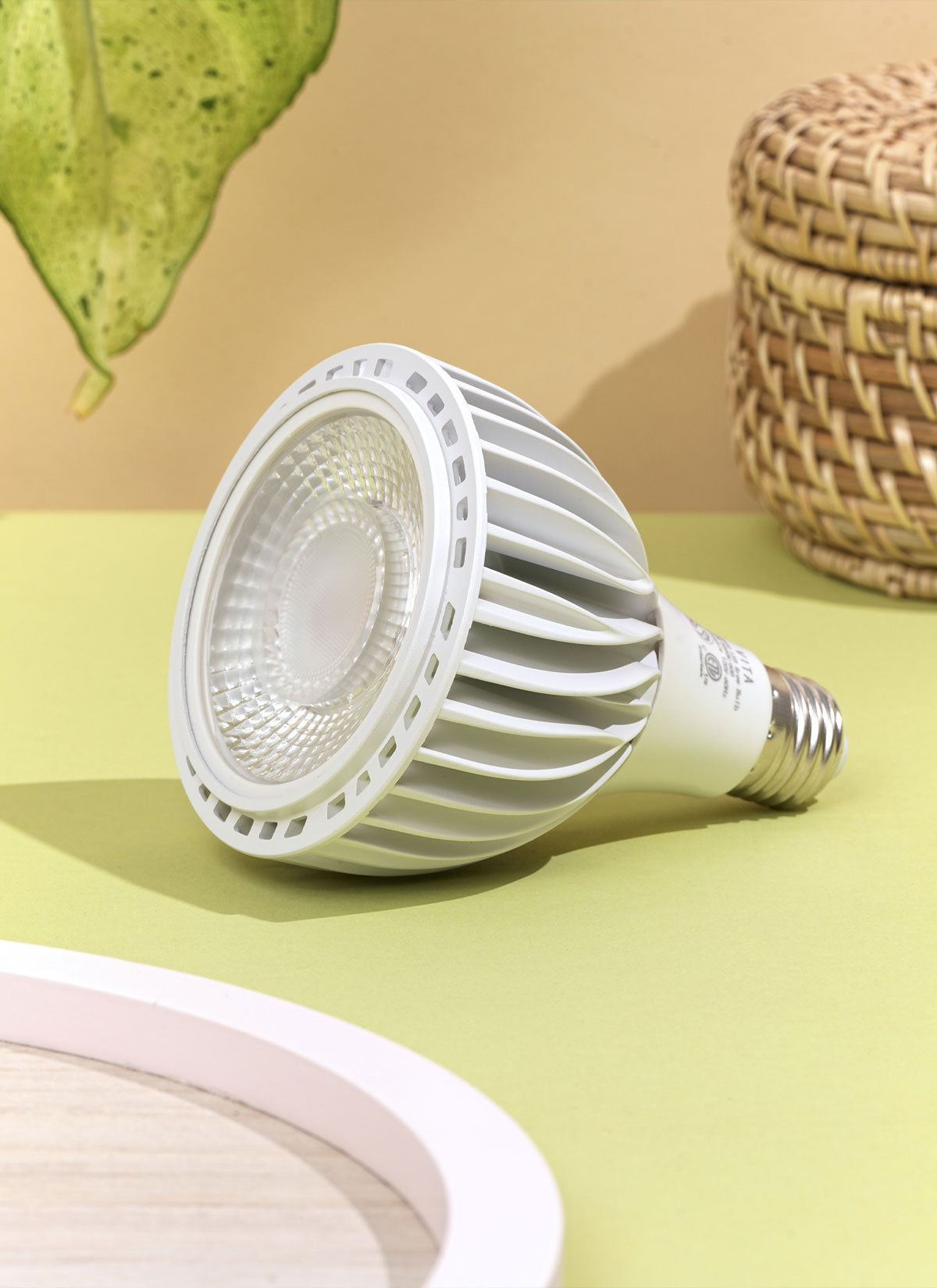
Vita™ Grow Light
$104.00 CAD $122.00 CAD

Color:

White / Wide (60°) Black / Wide (60°)
SAVE UP TO 30%
Highland™ LED Track Light System
$281.00 CAD - $743.00 CAD $1,061.00 CAD

Color:

White / 1 light / Narrow (36 Degrees) Black / 1 light / Narrow (36 Degrees)
SAVE 20%
Grove™ LED Grow Light
$150.00 CAD $187.00 CAD

Color:

Black White

Watering

Quick Tip: The best watering method is to soak your plant.

The Staghorn Fern should be watered when its fronds feel light and dry. To water, remove the mounted plant from the wall and soak the entire root ball in a tub of room-temperature water for 10-20 minutes. Allow the plant to drip dry before rehanging it. The frequency is typically every 1-3 weeks, depending on the season and humidity.

Temperature

Preferred Temperature: 60º - 80º

The Staghorn Fern prefers warm, stable temperatures. The ideal range is between 60-80°F. It is sensitive to cold and should be kept away from drafts and temperatures below 50°F.

Humidity

Preferred Humidity: 50 - 80%; Moderate/High Humidity

The Staghorn Fern requires high humidity to thrive. If your home's air is dry, using a humidifier or misting the plant's fronds regularly can help provide the moisture it needs.

Additional Plant Care

Propagation
Staghorn Ferns are propagated by division of pups. Once a small offset, or pup, has grown to a substantial size on the side of the mother plant, you can use a clean knife to carefully separate it. The new pup can be mounted to its own board using sphagnum moss.
Toxicity
The Staghorn Fern is non-toxic to humans and animals. This plant is safe for households with children and pets.
Repotting
Staghorn Ferns are epiphytes, so they do not grow in soil. They are typically mounted on a board. The roots are wrapped in sphagnum moss and attached to a piece of wood or cork bark with wire or string. Do not remove the large, brown, papery "shield fronds" that form at the base of the plant; they are a normal part of its growth and are used to absorb water and nutrients.
Pruning
Pruning is a simple task to keep your Staghorn Fern looking tidy. Trim away any dead or damaged fronds that are no longer green. Use clean shears to snip off any unwanted parts.
Fertilizer
Staghorn Ferns benefit from regular fertilization during the growing season. A balanced, water-soluble fertilizer diluted to half strength is ideal. Fertilize once a month during the spring and summer growing season. You can add the fertilizer to their soaking water.
Soil
Staghorn Ferns do not need soil. Since Staghorn Ferns are epiphytes, they get all of their nutrients and water from the air and from their mounted medium, making traditional soil unnecessary and harmful.

Hanging Heights

Staghorn Fern Lighting Requirements: Medium Light (Medium Indirect Light) to High Light (Bright Indirect Light)

White fuzz or dark smudges on a terracotta pot are one of the most common things plant owners search for, and the good news is that it is almost always easy to explain and even easier to fix.

Succulents need six to eight hours of bright light a day to stay healthy, according to South Dakota State University Extension, but many of the spots homeowners love to style them, bookshelves, bathroom vanities, dark entryway consoles, fall well short of that. Styling succulents well and keeping them alive both come down to matching the display spot to the plant's actual light needs, not just picking a pretty vessel. This guide covers why succulents have become such a popular decor choice, how much light they truly need, the riskiest styling spots, how to catch warning signs early, and how to keep the look without sacrificing the plant.

Houseplants absorb light through chlorophyll to fuel photosynthesis, the type of light reaching a plant matters just as much as how much of it there is. Direct light means unfiltered sun rays landing straight on a plant's leaves, while indirect light has been filtered, diffused, or bounced off another surface before it reaches the plant. This guide breaks down what actually separates the two, why the difference determines whether a plant thrives or scorches, and how to tell which one you're actually working with at home.