• Login
Search Login

Search anything about Plant Lighting, Content, and More.

Green Zebra Plant

SCIENTIFIC NAME: Dracaena goldieana

KNOWN AS: Green Zebra Plant, Queen of Dracaenas, Zebra Striped Dragon Tree

CLIMATE (LOCATION): Central Africa (Nigeria, Zaire) | Tropical Rainforest

DESCRIPTION: While most Dracaenas have long, strap-like leaves, the Green Zebra (D. goldieana) is a stunning outlier. It features broad, oval leaves that come to a sharp point, characterized by a unique horizontal banding pattern. The dark forest-green leaves are "painted" with irregular, silver-grey to pale-green cross-bands, resembling a zebra's stripes or a snake's skin. It is a slow-growing, highly ornamental species that is considered a "trophy plant" among Dracaena collectors.

Green Zebra Plant Plant Care

Lighting

Light Requirement: High Light (Bright Indirect Light)
Unlike some "low-light" Dracaenas, the Green Zebra needs brightness to maintain its high-contrast banding.

The Goal: Dappled or filtered sunlight. An east-facing window is perfect.

Low Light: It will tolerate some shade, but the striking silver bands will fade and blend into the dark green, losing the "zebra" effect.

Direct Sun: Danger. Its broad leaves are thin and will scorch easily. Direct afternoon sun will cause permanent bleached or brown "burn" spots.

Discover Our Grow Lights

SAVE UP TO 20%
Aspect™ Gen 2 LED Growlight
$160.00 - $200.00 $200.00

Color:

White Black
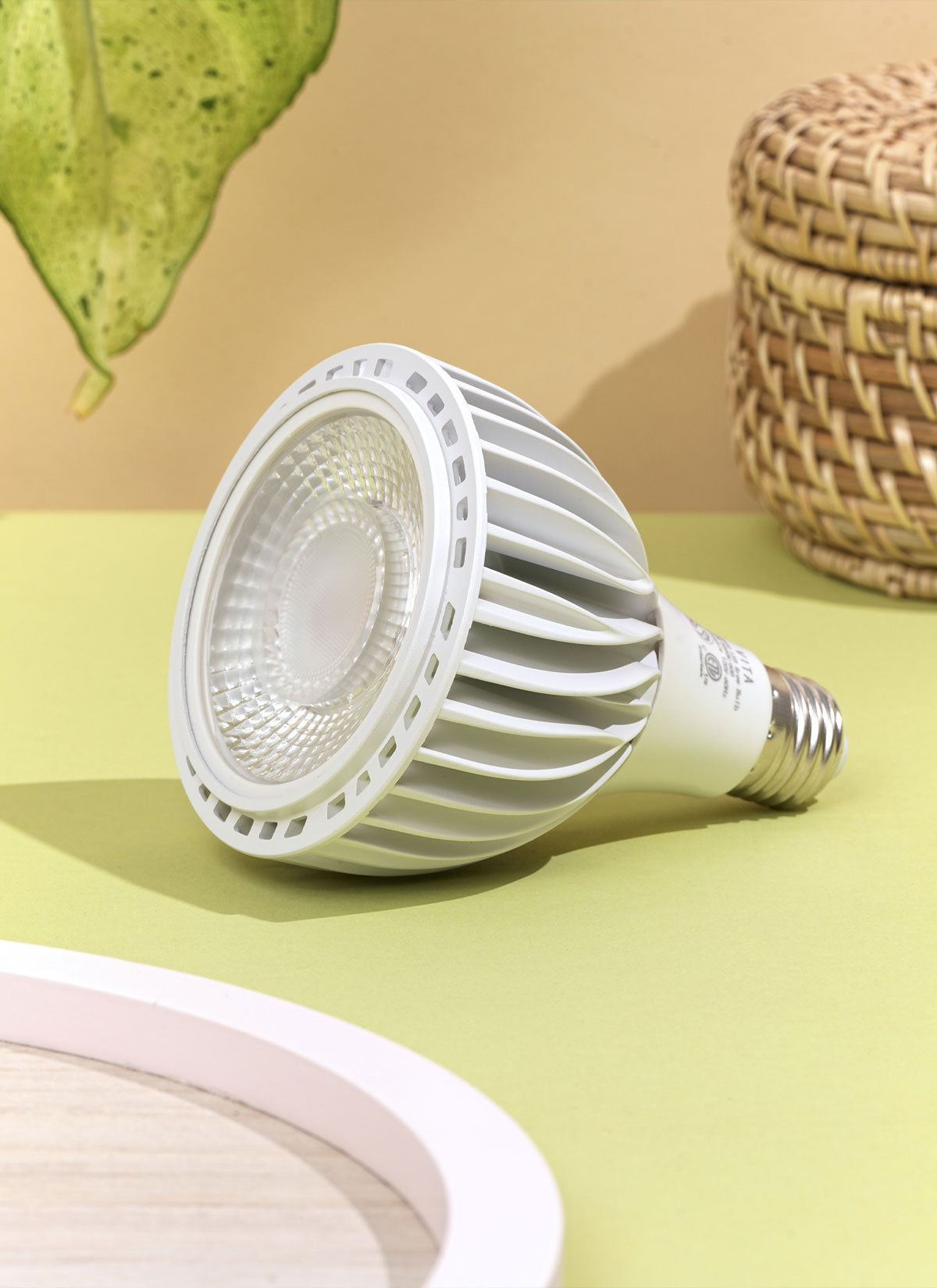
Vita™ Grow Light
$85.00

Color:

White / Wide (60°) Black / Wide (60°)
Highland™ LED Track Light System
$230.00 - $740.00

Color:

White / 1 light / Narrow (36 Degrees) Black / 1 light / Narrow (36 Degrees)

Watering

Quick Tip: Keep soil consistently moist but not soggy. Avoid tap water.

The Routine: Water when the top inch of soil feels dry. It prefers to stay slightly more humid at the root than the desert-hardy Dracaenas.

Chemical Sensitivity: Like its relatives, it is extremely sensitive to fluoride, chlorine, and salts.

The Solution: Use distilled, rain, or filtered water. If you use tap water, the silver bands will often develop "rust" spots, and the leaf tips will turn black.

Temperature

Preferred Temperature: 70º - 85º

This is a true tropical "Queen" that loves heat.

The Limit: It is very sensitive to cold. Keep it away from AC vents and drafty windows.

Cold Shock: Temperatures below 60°F can cause the plant to stop growing or drop leaves. It prefers a consistently warm environment year-round.

Humidity

Preferred Humidity: 60 - 80%; High Humidity

The Green Zebra is much more demanding about humidity than the 'Lemon Lime' or 'Dorado'.

The Requirement: Coming from the moist understory of African rainforests, it requires high ambient moisture.

Dry Air Signs: In standard home humidity, the leaf margins will become dry and brittle. A humidifier is almost a necessity for this specific species to look its best.

Additional Plant Care

Propagation
How to Propagate: Stem Cuttings. Take a cutting of the woody stem and root it in water or moist perlite. Note: Because it is a slow grower, it may take several weeks or even months to see significant root development.
Toxicity
Quick Warning: Toxic to cats and dogs. Contains saponins. If ingested, it causes vomiting (sometimes with blood), drooling, and dilated pupils in cats. This is a collector's plant that should be kept on a high pedestal or in a dedicated plant room away from curious pets.
Repotting
When to Repot: Every 2 years. It has a relatively slow root system. The Pot: Use a pot with excellent drainage. The Mix: It prefers a "chunky" yet organic-rich soil (see Soil section).
Pruning
Grooming: Remove any yellowing lower leaves to keep the central stem looking clean. Cleaning: Dust interferes with the silver bands' ability to reflect light. Wipe the broad leaves with a damp cloth monthly. Flowers: If you are lucky, a mature plant may produce clusters of fragrant, night-blooming white flowers.
Fertilizer
Quick Tip: Feed sparingly; avoid fertilizers with superphosphates (high fluoride). What to Use: A balanced liquid fertilizer diluted to 1/4 strength. When to Apply: Every 4–6 weeks during the spring and summer. Winter: Do not fertilize in the winter.
Soil
Ideal Mix: A well-draining mix rich in organic matter. Recommended Blend: 1 part potting soil, 1 part peat moss, and 1 part perlite or orchid bark.

Hanging Heights

Green Zebra Plant Lighting Requirements: High Light (Bright Indirect Light)

If you've got a yard full of fallen leaves and a shelf full of houseplants, it's a fair question: can one help the other? The honest answer is more nuanced than a simple yes. Fallen leaves can become something genuinely useful for your plants, called leaf mold, but it's not the nutrient boost the word "feed" might suggest.

A Pink Princess Philodendron isn't the plant you want to experiment on with a pair of dull scissors and no plan. Between the price tag and the fact that its pink coloring can be a little unpredictable, it's fair to feel more cautious cutting into this one than you would a pothos. The good news is that propagating a Pink Princess is genuinely simple once you understand the one thing that trips most people up: the pink pattern on your cutting isn't guaranteed to look exactly like the parent plant.