• Login
Search Login

Search anything about Plant Lighting, Content, and More.

Cyclamen

SCENTIFIC NAME: Cyclamen spp

KNOWN AS: Cyclamen, Florist's Cyclamen

CLIMATE (LOCATION): Mediterranean Region

DESCRIPTION: The Cyclamen is a popular and beautiful flowering plant known for its vibrant, upswept flowers in shades of red, pink, or white, and its heart-shaped, silver-marbled leaves. This plant uniquely blooms during the cool fall and winter months and then enters a dormant phase in the summer heat

Cyclamen Plant Care

Lighting

Light Requirement: High Light (Bright Indirect Light)
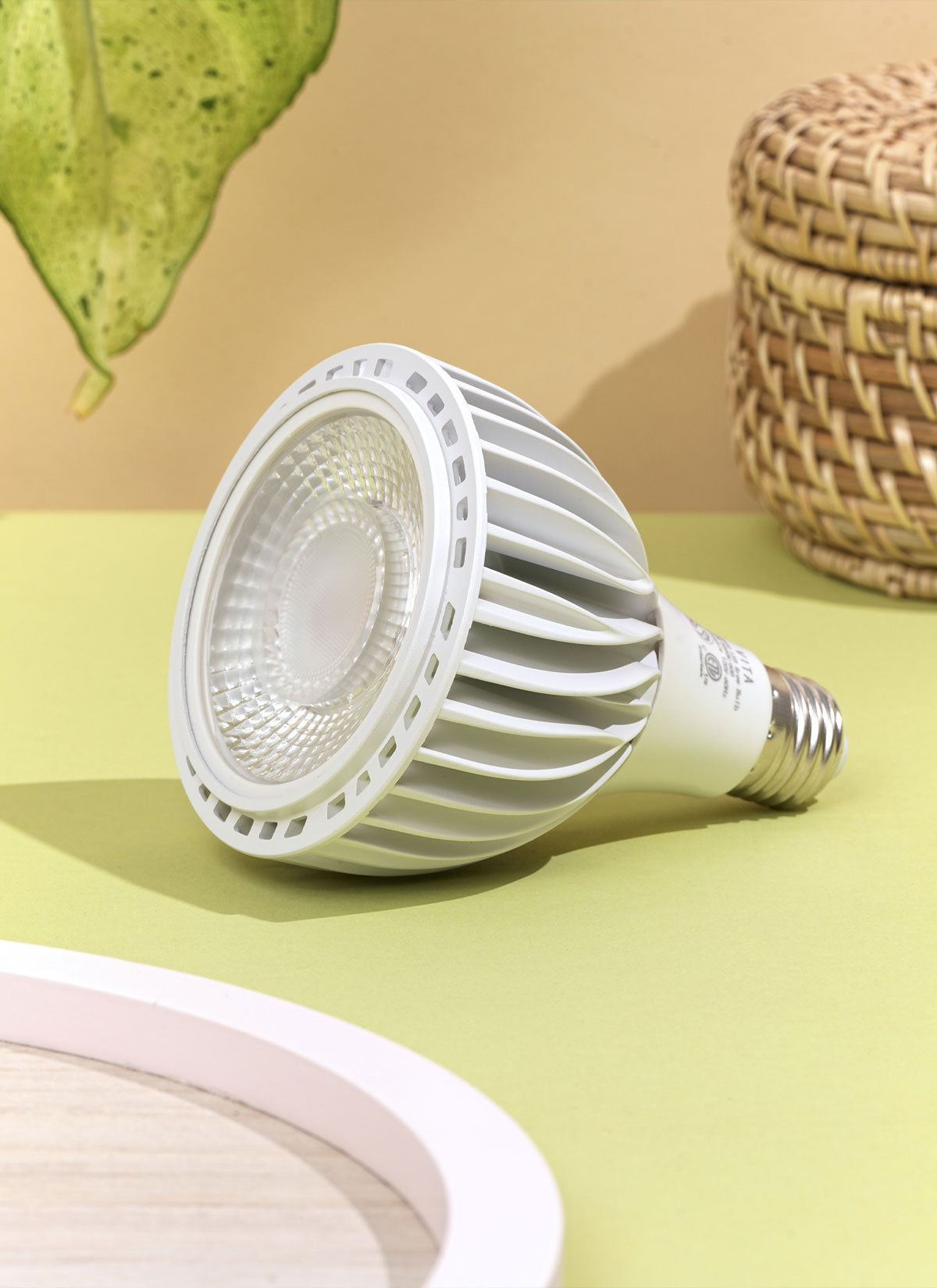
The Cyclamen thrives in bright, indirect light. Placing it near an east- or north-facing window during its blooming season is ideal. Avoid direct sunlight, which can easily scorch its leaves and prematurely end its blooming period.

Lighting Recommendations

BEST SELLER
Vita™ Grow Light
$85.00

Color:

White / Wide (60°) Black / Wide (60°)
Highland™ LED Track Light System
$230.00 - $740.00

Color:

White / 1 light / Narrow (36 Degrees) Black / 1 light / Narrow (36 Degrees)

Watering

Quick Tip:

The Cyclamen is highly susceptible to rot if water sits on its central crown. The best method is bottom watering: place the pot in a saucer of water for 15-20 minutes. Water thoroughly during the blooming season, allowing the top inch of soil to dry slightly. Once the leaves die back in summer, stop watering completely until new growth appears.

Temperature

Preferred Temperature: 60º - 75º

The Cyclamen prefers cool temperatures and struggles in heat. The ideal range is 60-70°F during the day, with cooler nighttime temperatures (around 50-55°F) being essential for bud formation and long-lasting blooms. Keep the plant away from heat vents and sudden temperature changes.

Humidity

Preferred Humidity: 50 - 70%; Moderate/High Humidity

The Cyclamen loves high humidity. You can increase the humidity around your plant by using a humidifier or by placing the pot on a tray of pebbles with water. Avoid misting the leaves directly, as this can encourage rot.

Additional Plant Care

Propagation
The most common way to propagate a Cyclamen is from seeds. How to Propagate: The tuber is generally sensitive and should not be divided. Instead, you can start new plants by collecting and planting seeds. Important Tip: Successful germination requires a cool, dark environment.
Toxicity
Quick Warning: The Cyclamen is toxic to humans and pets. The plant contains triterpenoid saponins, which are most concentrated in the tuber/root system. Ingestion can cause severe vomiting, diarrhea, and heart rhythm abnormalities. It is critical to keep the Cyclamen out of reach of children and pets.
Repotting
Repotting a Cyclamen is best done just before it emerges from its summer dormancy. When to Repot: Repotting is typically only necessary every two years. The best time to repot is in the fall. Choose a Pot: Select a new pot that is slightly larger and has drainage holes. Repot: Place the tuber in fresh soil, ensuring the top third of the tuber remains exposed above the soil line.
Pruning
Pruning is a simple task to keep your Cyclamen looking its best. What to Remove: Trim away spent flowers and any yellowing leaves. How to Prune: Twist and gently pull the entire flower or leaf stem off at the base of the plant. Do not cut the stems with scissors, as this can leave stubs that invite rot. Purpose: This redirects the plant's energy to new blooms.
Fertilizer
Cyclamen plants benefit from regular fertilization during their blooming cycle. What to Use: A balanced, liquid fertilizer diluted to half strength is ideal. When to Apply: Fertilize every two to four weeks during the fall and winter blooming season. Do not fertilize when the plant is dormant.
Soil
The right soil is crucial for a healthy Cyclamen. Ideal Mix: The plant requires a well-draining soil that is rich in organic matter. Recommended Blend: A good mix is a standard potting soil amended with perlite to ensure excellent drainage. Important Tip: Always use a pot with a drainage hole to ensure excess water can escape and prevent tuber rot.

Hanging Heights

Cyclamen Lighting Requirements: High Light (Bright Indirect Light)

Finding the perfect Secret Santa gift for a plant lover can feel tricky, especially if you’re not exactly a houseplant expert yourself. But good news: you don’t need to spend a lot to make a plant parent smile. Whether your giftee is nurturing a tiny windowsill herb or curating a full indoor jungle, these under-$25, budget-friendly gifts that feel thoughtful, useful, and fun. 

Winter means less sun, cold air sneaking in, and a general vibe that can make your indoor space feel a little blah. The winter season is the perfect time to incorporate plants and soft lighting into your living space. Plants just make things feel alive, adding texture and a chill atmosphere. Throw in some warm, soft lighting (bonus points if they’re also functional grow lights), and you can totally turn any room into a cozy, welcoming spot to hang out.

Gifting a plant during the holidays feels simple, thoughtful, and genuinely useful; especially in the middle of winter, when most of us are craving a little more color and life indoors. Plants make great gifts because they’re personal without being complicated, and with a few straightforward care tips, they can stay healthy long after the holidays are over. Whether you're shopping for a beginner, a busy friend, or someone who already loves their indoor jungle, there’s a plant that fits perfectly.