• Login
Search Login

Search anything about Plant Lighting, Content, and More.

Dracaena ‘Dorado’

SCIENTIFIC NAME: Dracaena fragrans 'Dorado'

KNOWN AS: Dorado Dracaena, Dorado Corn Plant

CLIMATE (LOCATION): Horticultural Hybrid | Tropical Africa (Parentage)

DESCRIPTION: The 'Dorado' is a stunning, darker-toned cultivar of the Dracaena family. It is easily recognized by its slightly twisted, broad leaves that are a deep, glossy emerald green with thin, vibrant lime-green margins. It has a more compact and "lush" appearance compared to other Corn Plants, with foliage that tends to drape gracefully. It is an excellent choice for adding a rich, jungle-like texture to interior spaces.

Dracaena ‘Dorado’ Plant Care

Lighting

Light Requirement: Medium Light (Medium Indirect Light) to High Light (Bright Indirect Light); Low Light Tolerant
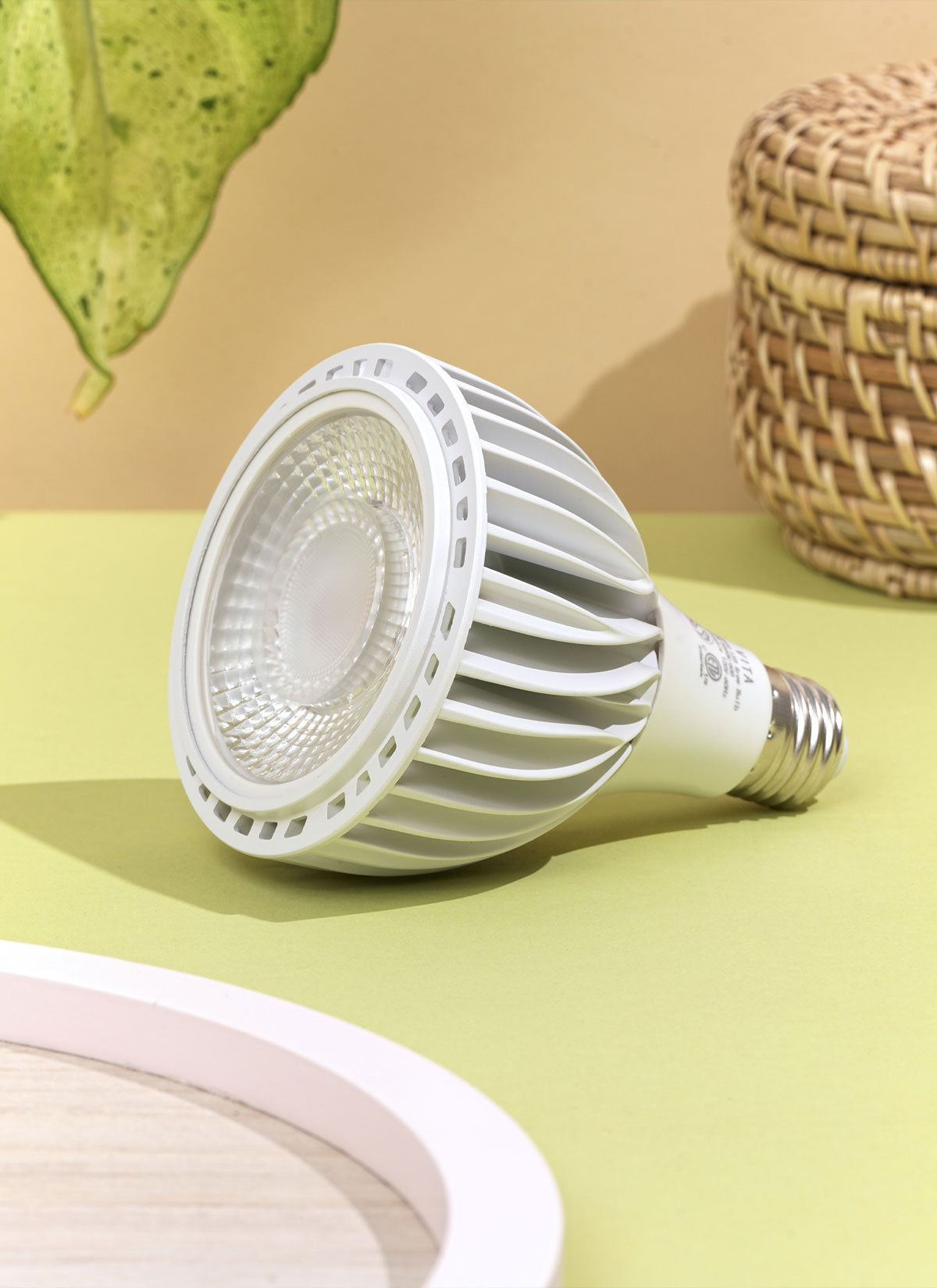
The 'Dorado' is famous for its adaptability, but its colors stay richest in filtered light.

The Goal: Bright, indirect light (like a north or east-facing window). This keeps the lime-green edges vivid.

Low Light: It is highly tolerant of low-light conditions, making it a "top-tier" office plant. Note that in dim light, the lime-green margins may narrow and growth will be very slow.

Direct Sun: Avoid harsh sun. Direct afternoon rays will scorch the dark leaves, causing unsightly yellow or brown bleached spots.

Discover Our Grow Lights

BEST SELLER
Vita™ Grow Light
$85.00

Color:

White / Wide (60°) Black / Wide (60°)
Highland™ LED Track Light System
$230.00 - $740.00

Color:

White / 1 light / Narrow (36 Degrees) Black / 1 light / Narrow (36 Degrees)

Watering

Quick Tip: Water when the top 50–75% of the soil is dry. Do not overwater.

Dracaenas are more likely to die from "kindness" (too much water) than neglect.

The Routine: Drench the soil until water runs out of the drainage holes, then wait. In a typical home, this might be every 10–14 days.

The Water Issue: Like its relatives, 'Dorado' is sensitive to fluoride and chlorine.

The Solution: Use distilled, rain, or filtered water. If you use tap water and notice brown, crispy leaf tips or spots on the lime margins, mineral sensitivity is the likely culprit.

Temperature

Preferred Temperature: 65º - 85º

'Dorado' prefers a stable, warm environment.

Drafts: It is sensitive to sudden cold. Keep it away from AC vents or drafty windows during winter.

The Limit: If temperatures drop below 55°F, the leaves may begin to drop or develop dark, soft spots from cold shock.

Humidity

Preferred Humidity: 40 - 60%; Moderate Humidity

This plant is incredibly resilient to the dry air found in most homes and offices.

Dry Air: While it can handle low humidity, extremely dry air may cause the leaf tips to brown. A quick misting or grouping it with other plants is usually all the "extra" humidity it will ever need.

Additional Plant Care

Propagation
How to Propagate: Stem Cuttings. You can cut a leafy top or a section of the woody cane. Rooting: Rooting can be done in water or directly in moist soil. Using a rooting hormone can speed up the process, as Dracaenas are notoriously slow to develop new roots.
Toxicity
Quick Warning: Toxic to cats and dogs. Contains saponins. In cats, look for dilated pupils, drooling, and vomiting. In dogs, it causes general digestive distress. Keep the plant on a stand or in a pet-free zone.
Repotting
When to Repot: Only every 2–3 years. They have shallow, slow-growing root systems and prefer to be slightly root-bound. The Pot: Ensure the pot has a large drainage hole. Since 'Dorado' can get top-heavy, a heavy ceramic or stone pot is recommended for stability. Soil: Use a loose, well-aerated mix.
Pruning
Grooming: Remove lower leaves as they age and turn brown—this is natural and helps reveal the woody trunk. Cleaning: The broad, dark leaves are dust magnets. Wipe them with a damp microfiber cloth monthly. This doesn't just make them look better; it helps the plant photosynthesize more efficiently. Managing Growth: If the plant gets too tall, you can "behead" it. It will sprout new growth points just below the cut.
Fertilizer
Quick Tip: Feed very lightly; Dracaenas are not "hungry" plants. What to Use: A balanced liquid houseplant fertilizer diluted to half strength. When to Apply: Once a month during the spring and summer. Winter: Stop fertilizing completely in the winter. Forcing growth during the dormant season can lead to weak, spindly leaves.
Soil
Ideal Mix: A fast-draining, well-aerated potting mix. Recommended Blend: 2 parts standard potting soil to 1 part perlite or pumice. Avoid soils with heavy peat content that stay soggy for too long.

Hanging Heights

Dracaena ‘Dorado’ Lighting Requirements: Medium Light (Medium Indirect Light) to High Light (Bright Indirect Light); Low Light Tolerant

The smartest long-term move for a plant lighting setup is one fixture engineered to run for a decade, not three you'll end up replacing within a few years. This guide covers what's driving the shift toward buying fewer, better home pieces, how to work out what a light fixture really costs you over time, and how to choose one you won't be shopping to replace next season.

The most useful way to design a room's lighting isn't picking one fixture at one brightness and leaving it there, it's building a light plan that shifts through the day the way daylight itself does: neutral and bright at midday, warm and low by evening. This guide covers how that daily arc works, what the research says about timing and color, and which grow lights and simple controls make the shift automatic instead of a nightly chore.

The number that decides how true your room's colors look under a grow light is its CRI, or color rendering index, and it affects everything from your throw pillows to your dining table finish. This guide covers what CRI actually measures, how it changes the way textiles and wood tones read in your home, and how to pick and place a high-CRI grow light so your plants and your decor both look right.