• Login
Search Login

Search anything about Plant Lighting, Content, and More.

Peperomia

SCENTIFIC NAME: Peperomia obtusifolia

KNOWN AS: Peperomia, Radiator Plant, Watermelon Peperomia

CLIMATE (LOCATION): Central & South America | Tropical & Subtropical

DESCRIPTION: The Peperomia is a highly diverse group of plants with a wide variety of leaf shapes, textures, and colors, including the popular Watermelon Peperomia and Radiator Plant. They are prized for their compact size and low-maintenance nature, making them an excellent choice for tabletops and small spaces.

Peperomia Plant Care

Lighting

Light Requirement: Medium Light (Medium Indirect Light) to High Light (Bright Indirect Light); Low Light Tolerant
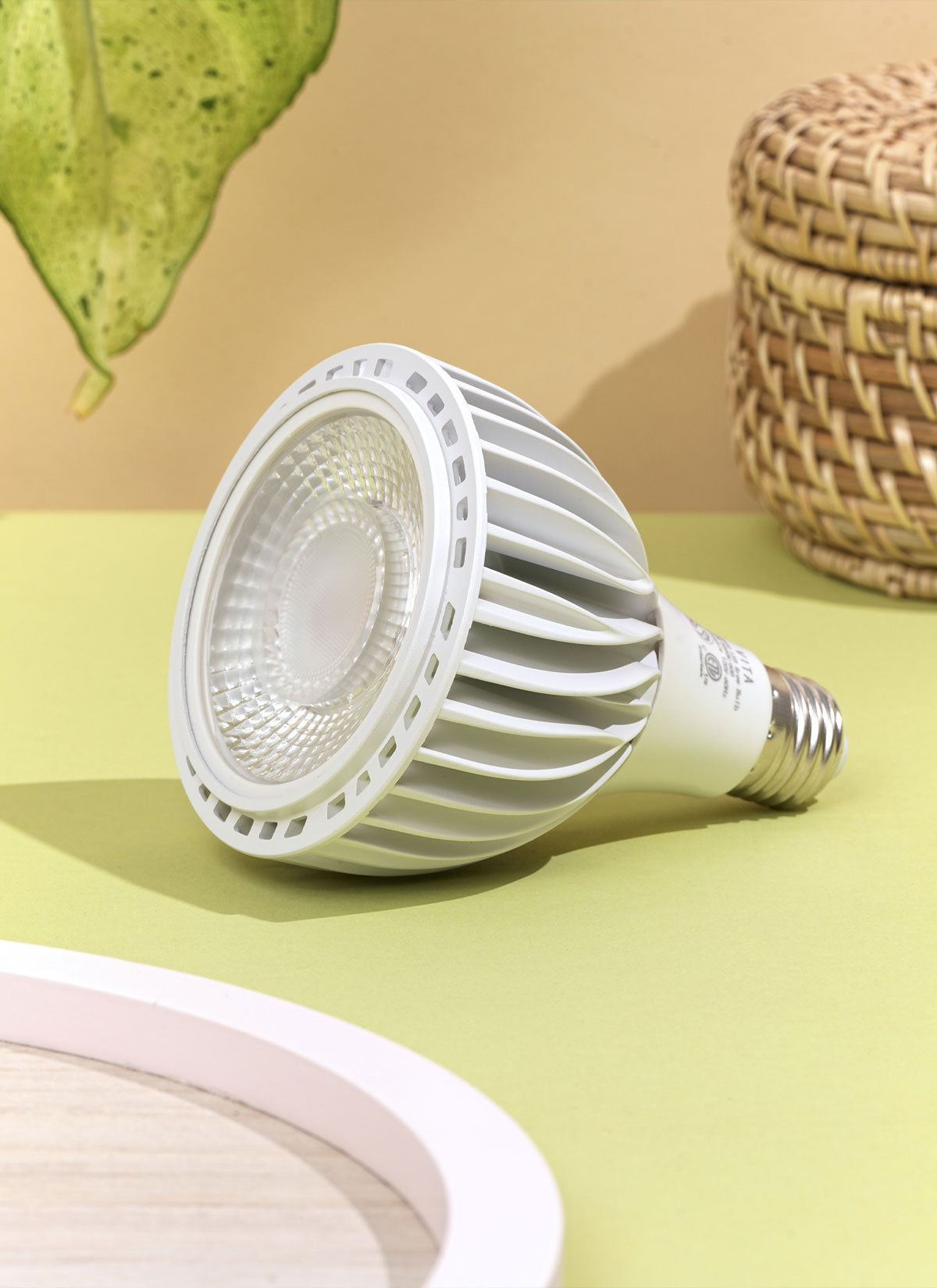
Peperomia plants thrive in medium to high indirect light. A location near an east- or west-facing window is ideal. Avoid placing them in direct sunlight, as the intense rays can scorch their leaves. If they don't get enough light, their growth may slow and their leaves can become sparse.

Discover Our Grow Lights

BEST SELLER
Vita™ Grow Light
$85.00

Color:

White / Wide (60°) Black / Wide (60°)
Highland™ LED Track Light System
$230.00 - $740.00

Color:

White / 1 light / Narrow (36 Degrees) Black / 1 light / Narrow (36 Degrees)

Watering

Quick Tip: Water when the top 1-2 inches of soil are dry.

Peperomia plants store water in their leaves and stems, so they are sensitive to overwatering, which can cause root rot. Water thoroughly when the top 1-2 inches of soil is dry to the touch, and let the excess water drain away. Reduce watering significantly during the fall and winter dormant season.

Temperature

Preferred Temperature: 65º - 80º

Peperomia plants prefer warm, stable temperatures. The ideal range is between 65-80°F. They are sensitive to cold and should be kept away from drafts and sudden temperature changes.

Humidity

Preferred Humidity: 50 - 60%; Moderate Humidity

Peperomia plants thrive in moderate to high humidity. You can increase the humidity around your plant by misting its leaves, using a humidifier, or placing its pot on a tray of pebbles with water.

Additional Plant Care

Propagation
Peperomia plants are very easy to propagate by stem or leaf cuttings. Take a healthy stem or leaf cutting and root it in water or a moist potting mix. The roots will form within a few weeks. When taking a leaf cutting, be sure to include a small portion of the stem.
Toxicity
The Peperomia plant is non-toxic to humans and animals. This makes Peperomia a great choice for households with children and pets.
Repotting
Peperomia plants are slow growers and prefer to be a bit pot-bound, so they do not need to be repotted often. Repotting is typically only necessary every 2-3 years, or when the plant has outgrown its pot. Select a new pot that is only slightly larger than the current one and has drainage holes. Use fresh, well-draining soil. Carefully remove the plant from its old pot and place it in the new one, filling in the sides with fresh soil.
Pruning
Pruning your Peperomia is a simple task to maintain its shape and health. Prune away any leggy stems, and remove dead or damaged leaves. Use clean, sharp shears to cut a stem just above a leaf node. This encourages a fuller, bushier plant
Fertilizer
Peperomia plants do not require a lot of fertilizer. A balanced, water-soluble fertilizer diluted to half strength is ideal. Fertilize once a month during the spring and summer growing season. Do not fertilize during the fall and winter.
Soil
The right soil is crucial for a healthy Peperomia. The plant requires a well-draining soil that is also rich in organic matter. A good mix is potting soil amended with perlite or coarse sand to improve drainage. Always use a pot with a drainage hole to ensure excess water can escape and prevent root rot

Hanging Heights

Peperomia Lighting Requirements: Medium Light (Medium Indirect Light) to High Light (Bright Indirect Light); Low Light Tolerant

In 2026, indoor greenery has shifted from a pandemic hobby into a core element of home design. The trend for this year isn’t just about collecting as many plants as possible; it’s about purposeful styling and choosing structural statement pieces that look stunning in a grid.

When it comes to low-maintenance indoor plants, few can compete with the Pothos. Often called "Devil’s Ivy" because it is nearly impossible to kill, this trailing vine is a staple for both beginner plant parents and seasoned collectors. But while many are familiar with the classic green variety, there is actually a diverse world of cultivars that offer unique colors, leaf shapes, and growth habits.

Even in the sunniest of windows or homes, our indoor plants will only get a fraction of the light intensity they'd get outdoors, sometimes less than 10% of the light intensity from direct midday sun, according to the houseplant pros at University of Florida IFAS Extension. That is a massive drop-off, and it’s usually why your "easy" plants are struggling.