• Login
Search Login

Search anything about Plant Lighting, Content, and More.

Luna Red Peperomia

SCIENTIFIC NAME: Peperomia caperata 'Luna Red'

 KNOWN AS: Luna Red Peperomia, Red Ripple Peperomia

CLIMATE (LOCATION): Brazil | Tropical Rainforest

DESCRIPTION: The Luna Red is a standout cultivar of the Ripple Peperomia family. It is prized for its dramatic, heart-shaped leaves that are deeply "rippled" or corrugated. The foliage is a rich, moody burgundy-to-crimson color that appears almost metallic under the right light. It grows in a compact, mounded rosette, making it a perfect "gem" for small spaces or desktop gardens.

Luna Red Peperomia Plant Care

Lighting

Light Requirement: Medium Light (Medium Indirect Light) to High Light (Bright Indirect Light)
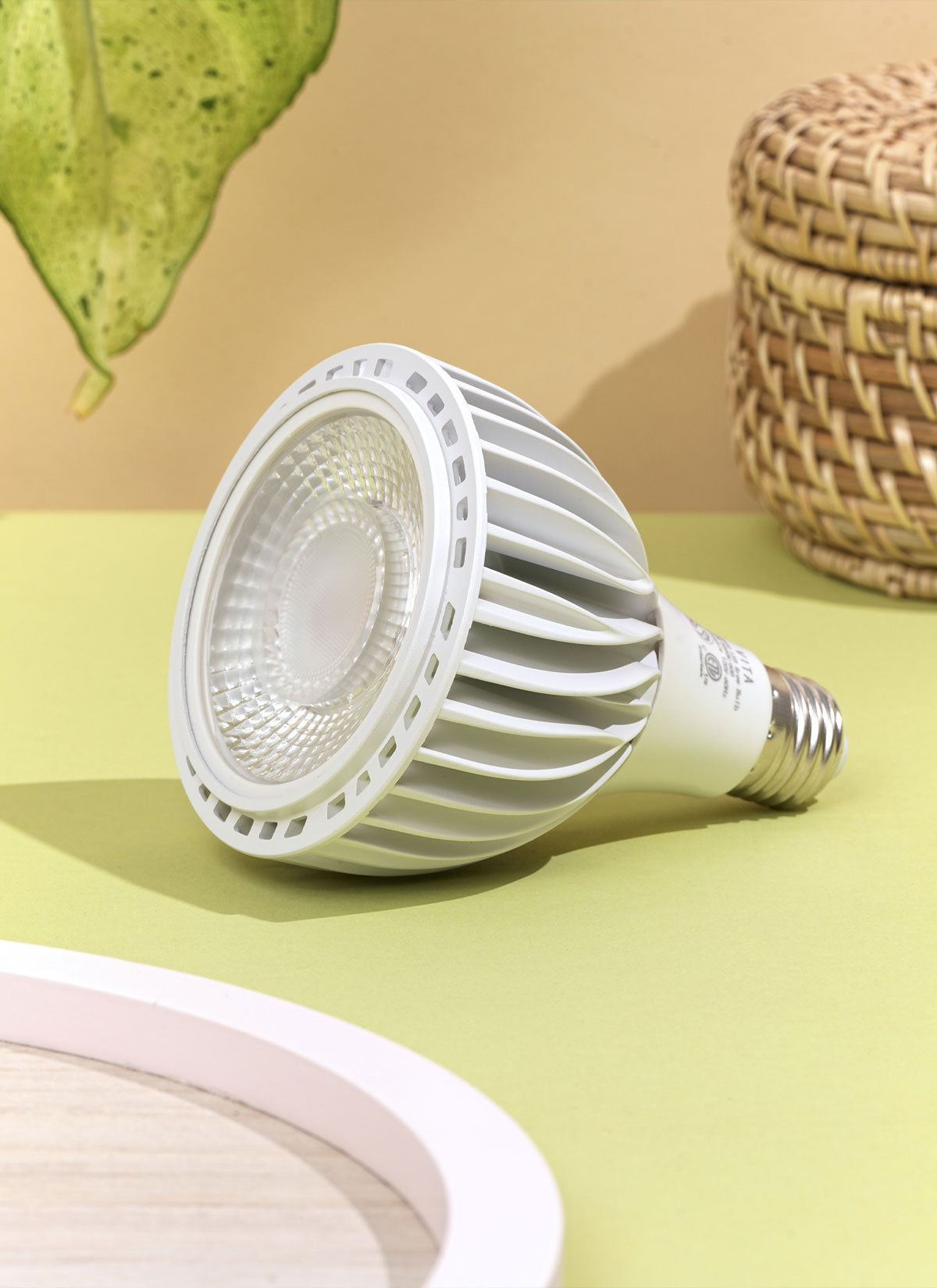
To keep the "Luna Red" looking deep red and vibrant, provide bright, indirect light. If the light is too low, the leaves will turn a duller, muddy green and the stems will stretch out. Avoid direct sunlight, which can bleach the intense red pigments and cause the thin, textured leaves to scorch or develop dry, crispy patches.

Discover Our Grow Lights

BEST SELLER
Vita™ Grow Light
$121.00 CAD

Color:

White / Wide (60°) Black / Wide (60°)
Highland™ LED Track Light System
$326.00 CAD - $1,048.00 CAD

Color:

White / 1 light / Narrow (36 Degrees) Black / 1 light / Narrow (36 Degrees)
Grove™ LED Grow Light
$184.00 CAD

Color:

Black White

Watering

Quick Tip: Water when the top 50–75% of the soil is dry. Avoid getting the crown wet.

Quick Tip: Water when the top 50–75% of the soil is dry. Avoid getting the crown wet.

Like its cousins, the Luna Red stores water in its fleshy petioles (stems). It is very sensitive to overwatering, which leads to stem rot.

Bottom Watering: This is the safest method. Set the pot in a tray of water for 10–15 minutes to allow the roots to soak up moisture without getting the base of the leaves wet.

Winter: Reduce watering significantly as the plant's growth slows.

Temperature

Preferred Temperature: 65º - 80º

The Luna Red loves consistent warmth. It does not handle cold well; temperatures below 55°F can cause the plant to wilt or collapse. Keep it away from drafty windows and AC vents. It is a perfect candidate for standard indoor office or home temperatures.

Humidity

Preferred Humidity: 40 - 60%; Moderate Humidity

While it is a tropical plant, it is surprisingly resilient to average home humidity. However, it will grow more vigorously if the air isn't bone-dry. Avoid misting the leaves directly, as the deep "valleys" in the ripple texture can trap water and cause fungal spots or rot.

Additional Plant Care

Propagation
The Luna Red is incredibly rewarding to propagate from leaf cuttings. How to Propagate: Snip a healthy leaf with its stem. You can root the whole leaf in water or moist soil. Alternatively, cut a leaf in half horizontally and tuck the cut edge into a mix of perlite and peat; tiny "pups" will sprout directly from the leaf veins!
Toxicity
Quick Warning: Non-Toxic to cats, dogs, and humans. This is a "pet-safe" plant, making it a stress-free choice for animal lovers.
Repotting
This plant has a very shallow, delicate root system and prefers a snug fit. When to Repot: Only every 2–3 years or if the plant becomes too top-heavy. Choose a Pot: A small pot with plenty of drainage. Repot: Use a light, airy potting mix and be very gentle, as the stems are brittle and can snap easily.
Pruning
Minimal maintenance is required. Maintenance: Remove any spent flower spikes (the "mouse tails") to keep the plant looking tidy and to redirect energy to the foliage. Cleaning: Dust can settle in the ripples; a very soft, dry brush can be used to gently clean the leaves.
Fertilizer
Luna Red is a light feeder. What to Use: A balanced liquid fertilizer diluted to half strength. When to Apply: Once a month during the spring and summer. Skip fertilizing in the winter.
Soil
A loose, well-draining mix is essential for preventing root suffocation. Ideal Mix: A standard potting soil amended for extra drainage. Recommended Blend: 2 parts potting soil to 1 part perlite or pumice. A "succulent-style" mix also works well because it prevents the soil from staying too soggy.

Hanging Heights

Luna Red Peperomia Lighting Requirements: Medium Light (Medium Indirect Light) to High Light (Bright Indirect Light)

Light fades faster than most people expect once it travels indoors. Because of a principle called the inverse square law, a plant sitting about six feet from a window can receive only around a quarter of the light hitting the glass. That is why plants on open shelving usually need either a naturally bright location or a little extra light to truly thrive instead of slowly stretching and fading.

You can fill a kitchen with greenery and zero counter space by going vertical: hanging planters, wall-mounted shelves, magnetic pots, and cabinet tops, paired with a compact under-cabinet grow light wherever sunlight runs short.

If you love a clean, intentional home, you already know this feeling. You want lush, thriving plants. But most grow lights look like they belong in a greenhouse, not a carefully styled living room.

The good news? That has changed. A new generation of grow lights was designed with real homes in mind, and a few of them fit a minimalist aesthetic so naturally that guests won't know what they're looking at. They'll just notice your plants look really good.

Here are three Soltech grow lights worth considering if the look of your space matters as much as the health of your plants.