• Login
Search Login

Search anything about Plant Lighting, Content, and More.

Air Plant

SCENTIFIC NAME: Tillandsia

KNOWN AS: Air Plant

CLIMATE (LOCATION): Central & South America | Tropical

DESCRIPTION: The Air Plant is a unique and fascinating plant that does not need soil to grow. It is an epiphyte, meaning it attaches to other plants or objects and absorbs all the water and nutrients it needs directly from the air. This makes it a versatile and low-maintenance plant for creative displays.

Air Plant Plant Care

Lighting

Light Requirement: High Light (Bright Indirect Light)
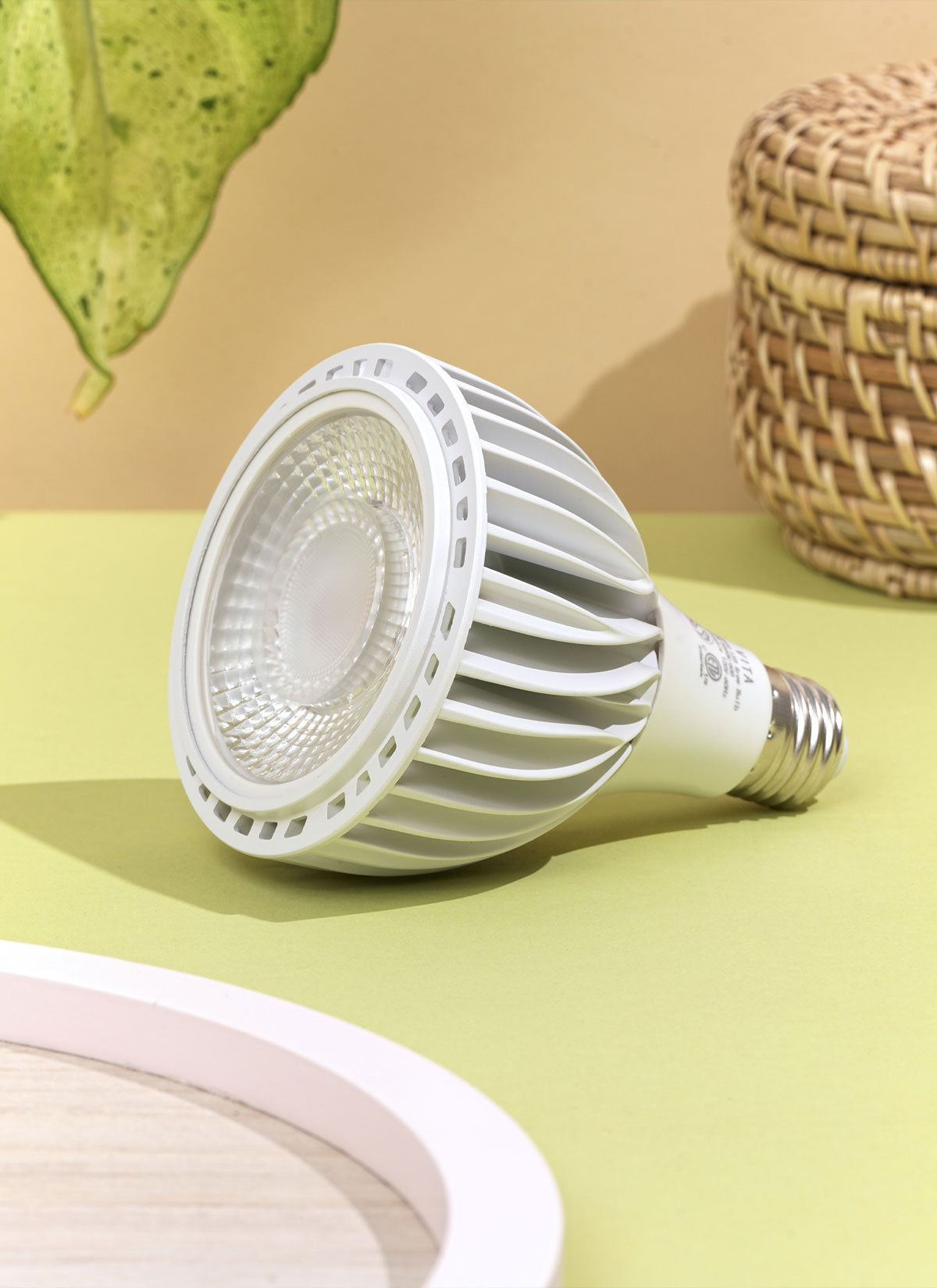
Air Plants thrive in bright, indirect light. The best location is near a window where they can get plenty of filtered light. While they can tolerate lower light, too much direct sun can scorch their leaves.

Discover Our Grow Lights

BEST SELLER
Vita™ Grow Light
$85.00

Color:

White / Wide (60°) Black / Wide (60°)
Highland™ LED Track Light System
$230.00 - $740.00

Color:

White / 1 light / Narrow (36 Degrees) Black / 1 light / Narrow (36 Degrees)

Watering

Quick Tip: The best watering method is to soak your plant.

Unlike potted plants, Air Plants absorb water from their foliage. The most effective way to water them is by soaking them in a bowl of room-temperature water for 20-30 minutes every 1-2 weeks. You can also mist the plant 2-3 times a week, but this should be supplemental to a regular soak.

Temperature

Preferred Temperature: 60º - 80º

Air Plants prefer warm, stable temperatures. The ideal range is between 60-80°F. They are very sensitive to cold and should be protected from temperatures below 50°F and from drafts.

Humidity

Preferred Humidity: 50 - 70%; Moderate/High Humidity

As a tropical plant, Air Plants require high humidity to thrive. If your home is dry, using a humidifier or misting the plant regularly can help provide the moisture it needs.

Additional Plant Care

Propagation
Air Plants are propagated by pups, which are small offsets that grow from the base of the parent plant. Once a pup is at least one-third the size of the mother plant, you can gently twist or cut it off to create a new, separate plant.
Toxicity
The Air Plant is non-toxic to humans and animals. This plant is safe for households with children and pets.
Repotting
Air Plants do not use soil. Instead, they can be displayed in a variety of creative ways. You can place them in a terrarium, attach them to a piece of driftwood or cork bark with plant-safe glue, or simply place them in a decorative bowl or on a shelf. Ensure the plant is not held in a container that can hold standing water, as this can cause the plant to rot.
Pruning
Pruning is a simple task to keep your Air Plant looking tidy. Trim away any dry, brown, or dead leaves from the base of the plant. Use clean scissors to snip off any unwanted parts. This helps the plant maintain its shape and health.
Fertilizer
Pruning is a simple task to keep your Air Plant looking tidy. Trim away any dry, brown, or dead leaves from the base of the plant. Use clean scissors to snip off any unwanted parts. This helps the plant maintain its shape and health.
Soil
Air Plants do not need soil. Since Air Plants are epiphytes, they get all of their nutrients and water from the air, making soil unnecessary and potentially harmful

Hanging Heights

Air Plant Lighting Requirements: High Light (Bright Indirect Light)

Philodendrons are a staple of indoor gardening, prized for their diverse leaf shapes and adaptable nature. Whether you are a beginner looking for a hardy companion or an experienced collector seeking rare aesthetics, understanding the specific needs of different Philodendron varieties is essential for a thriving home jungle.

Trailing plants like Pothos, Monstera deliciosa, and Philodendrons are often described as "low-light tolerant," but there is a significant difference between surviving and thriving. To these tropical species, light is more than just a preference, it is their primary source of energy. Through photosynthesis, plants convert light into the chemical energy used to build new cellular structures, such as lush leaves and sturdy stems.

Collecting rare aroids is more than a hobby; it is a pursuit of botanical artistry and prehistoric elegance. From the velvety depths of dark Anthurium leaves to the striking white sectors of variegated Monstera, these plants represent the pinnacle of indoor horticulture.