• Login
Search Login

Search anything about Plant Lighting, Content, and More.

Alocasia Cuprea

SCENTIFIC NAME: Alocasia cuprea

KNOWN AS: Alocasia cuprea, Jewel Alocasia, Mirror Plant

CLIMATE (LOCATION): Borneo, Southeast Asia | Tropical Rainforest

DESCRIPTION: The Alocasia cuprea is a highly sought-after houseplant known for its large, metallic-looking leaves that have a copper or reddish hue and a unique, bumpy texture. As a "Jewel Alocasia," it's a stunning and dramatic addition to any plant collection.

Alocasia Cuprea Plant Care

Lighting

Light Requirement: High Light (Bright Indirect Light)
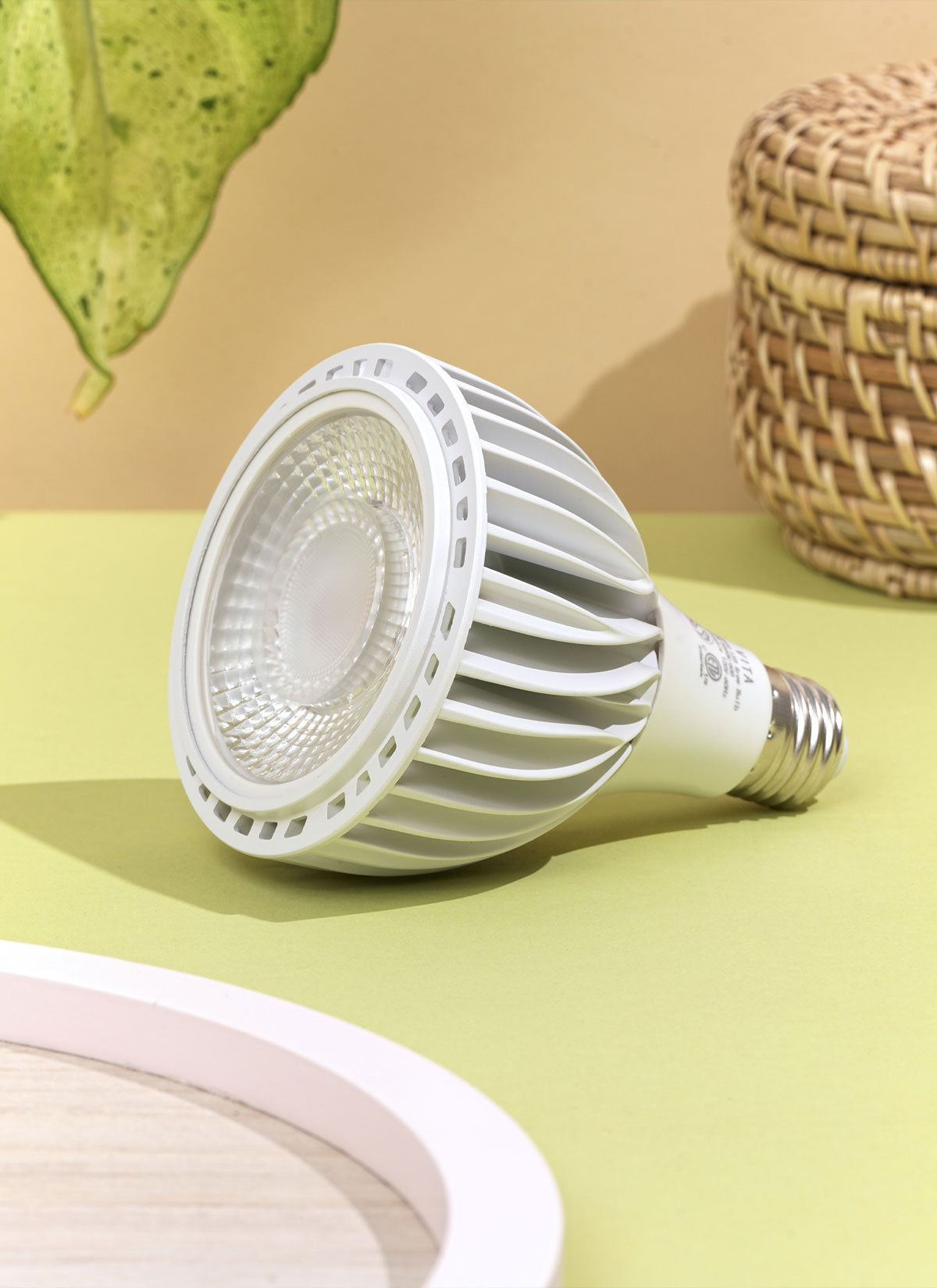
The Alocasia cuprea thrives on bright, indirect light. The best location is near a window with filtered light. Avoid direct sunlight, as this can easily scorch its leaves and cause its vibrant colors to fade.

Discover Our Grow Lights

BEST SELLER
Vita™ Grow Light
$85.00

Color:

White / Wide (60°) Black / Wide (60°)
Highland™ LED Track Light System
$230.00 - $740.00

Color:

White / 1 light / Narrow (36 Degrees) Black / 1 light / Narrow (36 Degrees)

Watering

Quick Tip: Keep the soil consistently moist, but not waterlogged.

The Alocasia cuprea prefers soil that is moist but is very susceptible to root rot if overwatered. Water thoroughly when the top 1-2 inches of soil feel dry to the touch. It is crucial to use distilled or filtered water, as the plant is sensitive to the chemicals in tap water.

Temperature

Preferred Temperature: 65º - 80º

The Alocasia cuprea prefers warm, stable temperatures. The ideal range is between 65-80°F. It is sensitive to cold and should be kept away from drafts and temperatures below 60°F.

Humidity

Preferred Humidity: 60 - 80%; High Humidity

The Alocasia cuprea requires high humidity to thrive. You can maintain this level by using a humidifier, placing the pot on a tray of pebbles with water, or grouping it with other plants.

Additional Plant Care

Propagation
The most effective way to propagate an Alocasia cuprea is by dividing the rhizomes or corms. In the spring, gently remove the plant from its pot and separate the rhizome into smaller sections, ensuring each has a healthy root system. Plant the new divisions into separate pots with fresh, well-draining soil.
Toxicity
The Alocasia cuprea is toxic to humans and animals. The plant contains calcium oxalate crystals, which can cause irritation, swelling, and a burning sensation in the mouth and throat if ingested. It is important to keep this plant out of reach of children and pets.
Repotting
Alocasia cuprea plants prefer to be slightly root-bound. Repotting is typically done in the spring when the plant has outgrown its pot. Select a new pot that is only slightly larger and has drainage holes. Use fresh, well-draining soil and carefully place the plant in the new pot, avoiding damage to the roots.
Pruning
Pruning is a minimal task for the Alocasia cuprea. Trim away any dead, yellowing, or damaged leaves as soon as you see them. Use clean, sharp shears to cut the leaf stem off at the base. This redirects the plant's energy to healthy new growth.
Fertilizer
Alocasia cuprea benefits from regular fertilization during the growing season. A balanced, liquid fertilizer diluted to half strength is ideal. Fertilize every 4 to 6 weeks during the spring and summer growing season. Do not fertilize in the fall and winter.
Soil
The right soil is crucial for a healthy Alocasia cuprea. The plant requires a well-draining, chunky soil that retains some moisture. A good mix is potting soil amended with plenty of perlite and orchid bark. This mix helps the soil stay airy and prevents root rot.

Hanging Heights

Alocasia Cuprea Lighting Requirements: High Light (Bright Indirect Light)

Bringing nature indoors can transform a sterile room into a living sanctuary. However, the secret to a thriving indoor garden isn't just a "green thumb" it is about selecting a botanical companion that aligns with your daily habits, home environment, and commitment level. This guide will help you navigate the world of greenery to find your perfect match.

Finding the perfect greenery for your home shouldn't be a gamble when it comes to your cat's safety. Many common houseplants, like lilies or sago palms, can be extremely dangerous to curious felines. Fortunately, there are plenty of vibrant, lush options that are completely non-toxic and cat-friendly.

Lavender is more than just a beautiful addition to a garden; it is a sensory experience. Known for its silvery-green foliage and iconic purple spikes, this Mediterranean native has become a staple for home gardeners seeking both aesthetic beauty and therapeutic benefits. Whether you are looking to harvest stems for essential oils or simply want to attract pollinators to your backyard, growing lavender is a rewarding endeavor that requires just a bit of environmental finesse.