• Login
Search Login

Search anything about Plant Lighting, Content, and More.

Anthurium Clarinervium

SCIENTIFIC NAME: Anthurium clarinervium

KNOWN AS: Velvet Cardboard Anthurium, Clarinervium

CLIMATE (LOCATION): Chiapas, Mexico | Tropical Rainforest (Epipetric/Lithophytic)

DESCRIPTION: The Anthurium clarinervium is a stunning "jewel" Anthurium world-famous for its thick, leathery, heart-shaped leaves. The foliage feels like stiff velvet or cardboard and features a deep, dark green (almost black) color with brilliant, contrasting white veins that form a geometric pattern. Unlike many Anthuriums, this species grows naturally on rocks, making it slightly hardier than its cloud-forest cousins.

Anthurium Clarinervium Plant Care

Lighting

Light Requirement: High Light (Bright Indirect Light)
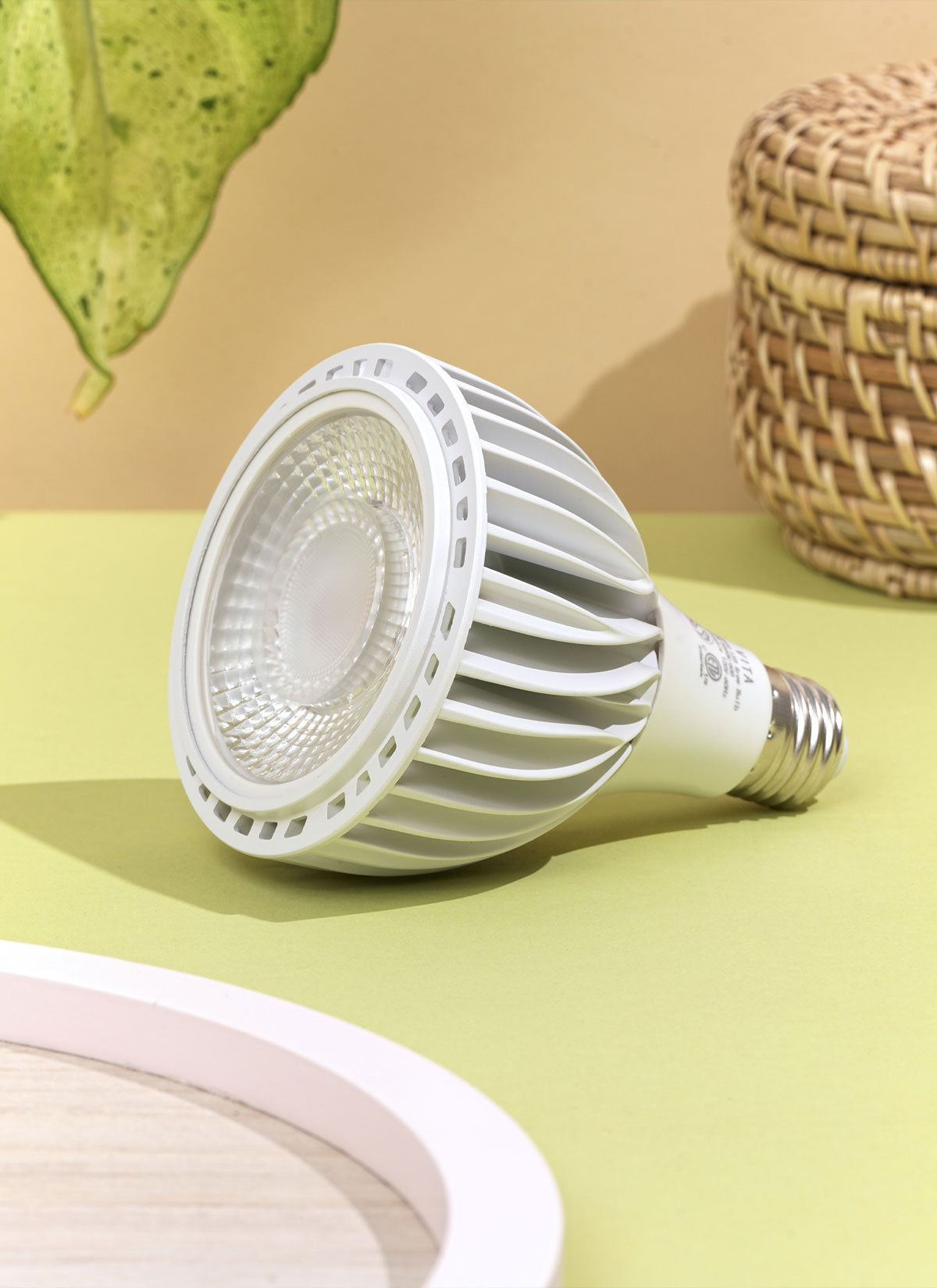
The Clarinervium thrives in dappled, bright light. It needs enough light to maintain its deep green color and thick texture, but direct sunlight will quickly scorch the velvety leaves and cause permanent yellow or brown scarring. A spot about 2–3 feet back from a bright south or west window is usually perfect.

Discover Our Grow Lights

BEST SELLER
Vita™ Grow Light
$85.00

Color:

White / Wide (60°) Black / Wide (60°)
Highland™ LED Track Light System
$230.00 - $740.00

Color:

White / 1 light / Narrow (36 Degrees) Black / 1 light / Narrow (36 Degrees)

Watering

Quick Tip: Water when the top 50% of the soil is dry. Do not allow the plant to sit in standing water.

Because this plant often grows on rocky surfaces in the wild, its roots need a lot of oxygen. It prefers to be kept evenly moist but never "wet." Use the "soak and dry" method, ensuring excess water drains out immediately. During the winter, allow the soil to dry out more between waterings to prevent root rot.

Temperature

Preferred Temperature: 65º - 80º

This Anthurium enjoys a warm, stable climate. It is sensitive to extreme heat (above 90°F) and extreme cold. Keep it away from drafty doors and AC vents. If temperatures drop below 60°F, growth will stall, and the plant may become stressed.

Humidity

Preferred Humidity: 60 - 80%; High Humidity

While the Clarinervium is slightly more tolerant of lower humidity than the Warocqueanum, it still requires high humidity to produce those large, perfect leaves. If the air is too dry, the leaf edges will turn brown and crispy. Use a humidifier or an IKEA greenhouse cabinet for the best results.

Additional Plant Care

Propagation
The most successful way to propagate is via division. How to Propagate: During repotting, look for "offsets" or separate clusters with their own root systems. Carefully pull or cut them away from the main mother plant. Note: It can be grown from seeds found in its berries, but the process is very slow and requires manual pollination of the spadix.
Toxicity
Quick Warning: The Anthurium clarinervium is toxic to humans and animals. The plant contains calcium oxalate crystals. Ingestion leads to severe mouth and throat irritation, drooling, and swelling. Keep this collector's plant on a high shelf away from pets.
Repotting
This plant is a slow grower and typically only needs repotting every 2–3 years. When to Repot: When you see roots circling the top of the pot or growing out of the drainage holes. Choose a Pot: Select a pot only 1–2 inches larger. Terracotta is a great choice as it helps the roots "breathe." Repot: Be very careful with the thick, brittle roots; they snap easily.
Pruning
Pruning is rarely necessary except for health maintenance. Maintenance: Use sterilized, sharp shears to remove any old or yellowing leaves at the very base of the stem. Cleaning: The velvety leaves are absolute dust-magnets. Use a soft, dry makeup brush or a damp microfiber cloth to gently clean the leaves once a month to keep the "pores" open.
Fertilizer
Clarinervium is a light to moderate feeder. What to Use: A balanced liquid fertilizer (20-20-20) diluted to 1/4 or 1/2 strength. When to Apply: Every 4-6 weeks during the spring and summer. Avoid feeding in the winter to prevent salt buildup in the soil.
Soil
An "Aroid Mix" is the most important factor for success. Ideal Mix: A very chunky, airy medium. Never use standard potting soil alone. Recommended Blend: 1 part orchid bark, 1 part perlite or pumice, 1 part peat moss/coco coir, and a handful of horticultural charcoal. This mimics its natural rocky, airy environment.

Hanging Heights

Anthurium Clarinervium Lighting Requirements: High Light (Bright Indirect Light)

he key to a thriving summer plant collection is simple: match each plant to the right amount of light, water based on how dry the soil is rather than a fixed schedule, and shield sensitive leaves from harsh midday sun. This guide covers which plants love the season, how to water and light them as temperatures rise, how to prevent leaf scorch, and when it makes sense to move plants outdoors.

Good indoor plant design comes down to a few repeatable principles: match each plant to its light, vary height and scale, group in odd numbers, and give every arrangement one clear focal point. This guide breaks those principles down, walks through plant placement room by room, and covers what to do when your best-looking spot does not get enough light.

You've got a pothos on the windowsill. Maybe a snake plant in the corner. And somewhere along the way, you started wondering if there's more to it than that.

There is.

The apartments that feel truly alive, the ones you scroll past on Pinterest and instantly want to live in, aren't just homes with a few plants in predictable spots. They're intentional. A trailing vine above the kitchen cabinets. A lush fern tucked into the bathroom. A sculptural snake plant in the entryway that makes you feel like you've arrived somewhere good.

A lot of those looks are more achievable than they seem. And with the right plant, and sometimes a little help from a grow light, even the darker, more forgotten corners of your apartment can become something worth noticing.

Here are five unexpected places to bring your plant styling ideas to life.