• Login
Search Login

Search anything about Plant Lighting, Content, and More.

Anthurium Superbum

SCIENTIFIC NAME: Anthurium Superbum

KNOWN AS: Anthurium Superbum, Bird’s Nest Anthurium

CLIMATE (LOCATION):  Ecuador | Tropical Rainforest (Lowland)

DESCRIPTION: The Anthurium superbum is a prehistoric-looking "Bird’s Nest" type Anthurium. Unlike the vining or heart-shaped varieties, this plant grows in a tight, upright rosette. Its leaves are thick, leathery, and remarkably stiff, featuring a deep olive-green topside and a stunning purple-to-burgundy underside. The texture of the foliage is distinctively "puckered" or prehistoric, making it a rugged yet regal addition to any collection.

Anthurium Superbum Plant Care

Lighting

Light Requirement: High Light (Bright Indirect Light)
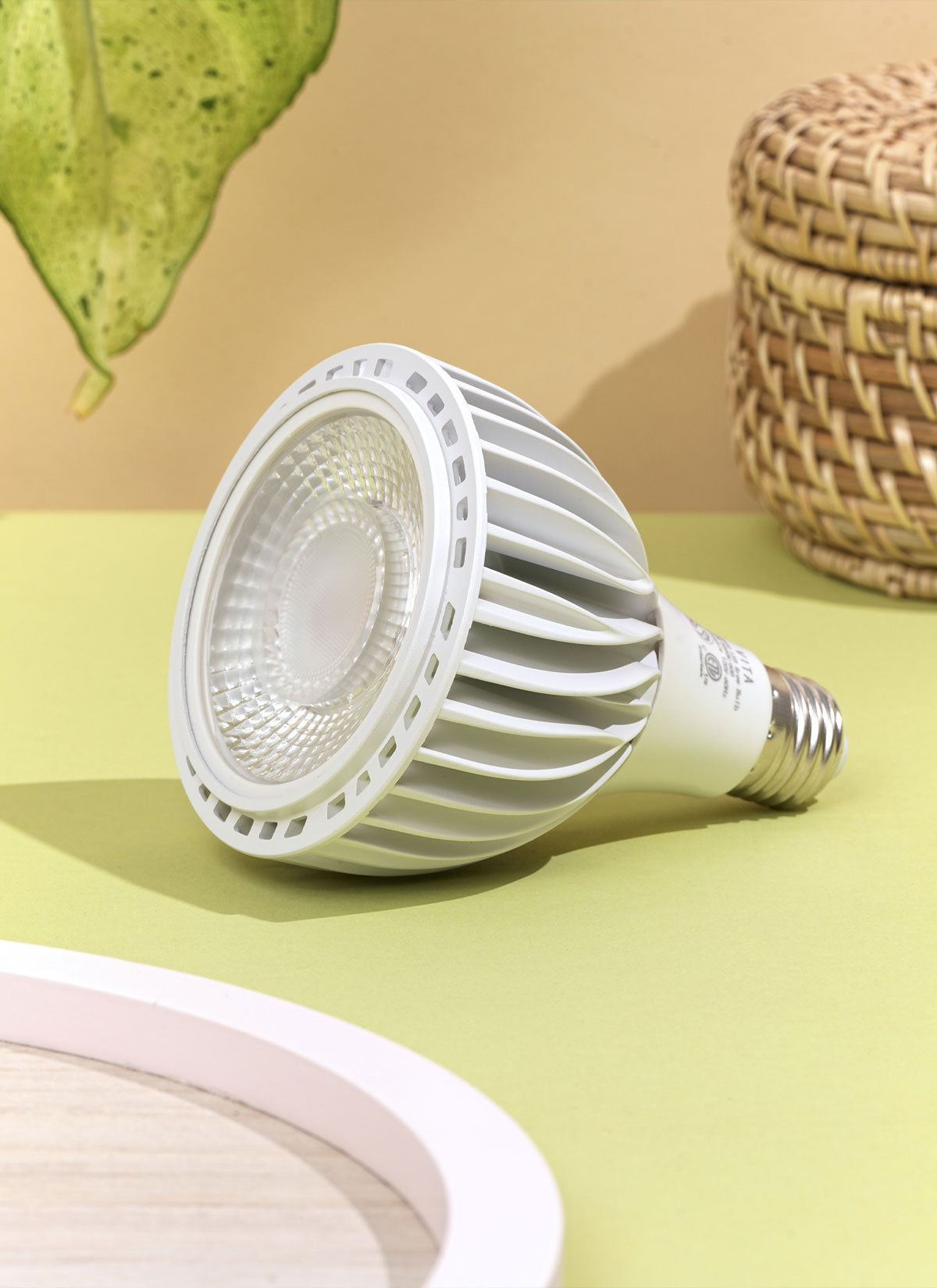
Because of its thick, dark leaves, the Superbum can handle slightly lower light than its velvet cousins, but it truly thrives in bright, filtered light. It is native to the forest floor, so it hates direct sunlight, which will bleach the deep purple undersides and cause "crispy" yellow patches on the foliage.

Discover Our Grow Lights

BEST SELLER
Vita™ Grow Light
$85.00

Color:

White / Wide (60°) Black / Wide (60°)
Highland™ LED Track Light System
$230.00 - $740.00

Color:

White / 1 light / Narrow (36 Degrees) Black / 1 light / Narrow (36 Degrees)

Watering

Quick Tip: Water when the top 1-2 inches of soil are dry.

The Superbum is more drought-tolerant than many other Anthuriums due to its thick, succulent-like leaves. It prefers to be evenly moist but is very susceptible to root rot if the soil stays "mucky." Always check the soil depth before watering, and ensure the pot has excellent drainage.

Temperature

Preferred Temperature: 65º - 80º

This plant loves consistent warmth and hates the cold. It is not frost-hardy and will stop growing if temperatures drop below 60°F. Keep it away from cold winter drafts and AC vents, as sudden temperature shifts can cause the leaves to drop or turn brown.

Humidity

Preferred Humidity: 60 - 80%; High Humidity

While the Superbum is "tougher" than most Anthuriums, it still requires high humidity to maintain its prehistoric texture. In dry air, the new leaves may struggle to emerge from the center of the "nest" and can become stunted or deformed. A humidifier or grouping it with other plants is highly recommended.

Additional Plant Care

Propagation
Propagation is primarily done through seeds or basal offsets. How to Propagate: As the plant matures, it may produce "pups" or offsets at the base. These can be gently separated during repotting once they have their own root systems. Note: It does not grow from stem cuttings like a Philodendron because it lacks a long, vining stem.
Toxicity
Quick Warning: Toxic to cats, dogs, and humans. Contains calcium oxalate crystals. If any part of the plant is chewed, it causes intense oral pain, swelling of the tongue and throat, and digestive distress. Keep it out of reach of curious pets.
Repotting
This plant has thick, bird-nest-style roots that like to stay relatively snug. When to Repot: Every 2–3 years or when the roots begin to push the plant up out of the pot. Choose a Pot: A pot with large drainage holes. Terracotta is excellent for this variety as it prevents moisture buildup. Repot: Use a fresh, chunky mix and ensure the "crown" of the plant (where the leaves emerge) is not buried below the soil line, which causes rot.
Pruning
Very little pruning is needed for this slow-growing plant. Maintenance: Simply remove old, yellowing lower leaves at the base of the rosette with sterilized shears. Cleaning: The "puckered" texture of the leaves traps dust easily. Use a soft, damp cloth or a light spray of distilled water to keep the foliage clean so the plant can photosynthesize effectively.
Fertilizer
Superbum is a light feeder. What to Use: A balanced liquid fertilizer diluted to 1/4 strength. When to Apply: Once a month during the spring and summer. Stop fertilizing entirely during the winter months.
Soil
An airy, "chunky" mix is vital for root health. Ideal Mix: A well-draining aroid mix. Recommended Blend: 1 part orchid bark, 1 part perlite, and 1 part potting soil or coco coir. Adding a handful of horticultural charcoal helps keep the soil fresh and prevents fungal issues.

Hanging Heights

Anthurium Superbum Lighting Requirements: High Light (Bright Indirect Light)

he key to a thriving summer plant collection is simple: match each plant to the right amount of light, water based on how dry the soil is rather than a fixed schedule, and shield sensitive leaves from harsh midday sun. This guide covers which plants love the season, how to water and light them as temperatures rise, how to prevent leaf scorch, and when it makes sense to move plants outdoors.

Good indoor plant design comes down to a few repeatable principles: match each plant to its light, vary height and scale, group in odd numbers, and give every arrangement one clear focal point. This guide breaks those principles down, walks through plant placement room by room, and covers what to do when your best-looking spot does not get enough light.

You've got a pothos on the windowsill. Maybe a snake plant in the corner. And somewhere along the way, you started wondering if there's more to it than that.

There is.

The apartments that feel truly alive, the ones you scroll past on Pinterest and instantly want to live in, aren't just homes with a few plants in predictable spots. They're intentional. A trailing vine above the kitchen cabinets. A lush fern tucked into the bathroom. A sculptural snake plant in the entryway that makes you feel like you've arrived somewhere good.

A lot of those looks are more achievable than they seem. And with the right plant, and sometimes a little help from a grow light, even the darker, more forgotten corners of your apartment can become something worth noticing.

Here are five unexpected places to bring your plant styling ideas to life.