• Login
Search Login

Search anything about Plant Lighting, Content, and More.

Anthurium crystallinum

SCIENTIFIC NAME: Anthurium crystallinum

KNOWN AS: Crystal Anthurium, Ace of Spades (often confused with A. clarinervium)

CLIMATE (LOCATION): Central & South America | Tropical Rainforest (Epiphyte)

DESCRIPTION: The Anthurium crystallinum is the crown jewel of many aroid collections. It is famous for its large, velvety, heart-shaped leaves that can reach massive sizes. The foliage is a deep forest green, but its most striking feature is the shimmering, crystal-like white veins that outline the leaf's structure. Unlike the Clarinervium, the leaves of the Crystallinum are typically thinner, more elongated, and have a more pronounced "sparkle" under bright light.

Anthurium crystallinum Plant Care

Lighting

Light Requirement: High Light (Bright Indirect Light)
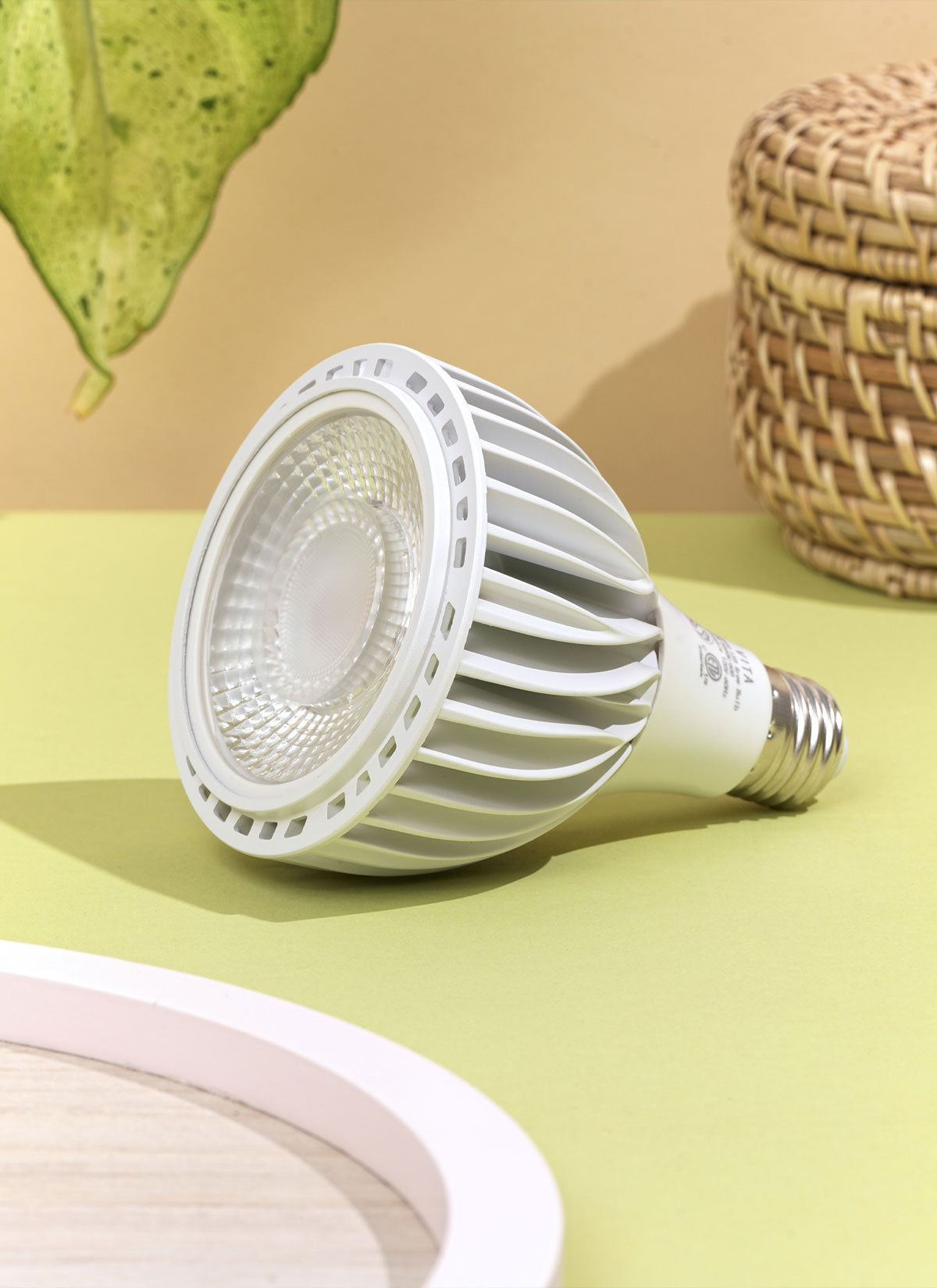
The Crystallinum lives on the forest floor or attached to trees under a dense canopy. It requires bright, filtered light. Direct sunlight is its greatest enemy; it will quickly wash out the deep green color and leave permanent burn marks on the delicate velvet surface. A north or east-facing window is usually the safest bet.

Discover Our Grow Lights

BEST SELLER
Vita™ Grow Light
$85.00

Color:

White / Wide (60°) Black / Wide (60°)
Highland™ LED Track Light System
$230.00 - $740.00

Color:

White / 1 light / Narrow (36 Degrees) Black / 1 light / Narrow (36 Degrees)

Watering

Quick Tip: Water when the top 1-2 inches of soil are dry.

Unlike its "cardboard" cousin, the Crystallinum is less drought-tolerant. It prefers to stay consistently moist but never soggy. If the soil stays bone-dry for too long, the plant will quickly abort its oldest leaves. Always use room-temperature water, as cold water can shock the sensitive tropical roots.

Temperature

Preferred Temperature: 65º - 80º

This plant thrives in the "Goldilocks" zone—not too hot, not too cold. It is very sensitive to temperature fluctuations. Keep it away from AC vents, heaters, and drafty windows. If temperatures drop below 60°F, the plant may go dormant or suffer leaf damage.

Humidity

Preferred Humidity: 60 - 80%; High Humidity

This is the most challenging aspect of Crystallinum care. In standard home humidity (30-40%), the new leaves will often struggle to unfurl, coming out stunted or ripped. High humidity is essential for the "velvet" to look its best. A humidifier is almost mandatory unless you live in a very tropical climate or keep it in a glass cabinet.

Additional Plant Care

Propagation
The most reliable method is stem division. How to Propagate: When the plant matures, it develops a thick "trunk" or rhizome. During repotting, you can carefully divide this rhizome into sections, ensuring each piece has at least one growth point and healthy roots. Seed Propagation: While possible, it requires manual pollination and a lot of patience as the berries take months to ripen.
Toxicity
Quick Warning: Toxic to cats, dogs, and humans. Contains calcium oxalate crystals. If any part of the plant is chewed, it causes immediate intense pain, swelling of the mouth, and difficulty swallowing. Keep it out of reach of pets.
Repotting
This Anthurium has thick, fleshy, air-hungry roots. When to Repot: Every 1–2 years in the spring. Choose a Pot: A pot with extreme drainage. Many collectors use clear plastic pots to monitor root health and moisture levels. Repot: Be incredibly gentle; the roots are brittle and snap easily.
Pruning
Minimal pruning is required for this slow-growing beauty. Maintenance: Only remove leaves that have completely yellowed or died at the base of the plant. Leaf Care: Because the leaves are velvety, they trap dust easily. Use a very soft, damp microfiber cloth to gently wipe them down once a month. Never use leaf shine products.
Fertilizer
Crystallinum is a moderate feeder during the growing season. What to Use: A balanced liquid fertilizer diluted to 1/4 or 1/2 strength. When to Apply: Every 2-4 weeks during the spring and summer. Avoid fertilizing in winter.
Soil
A specialized "Aroid Mix" is the key to a healthy Crystallinum. Ideal Mix: A very chunky, porous medium that allows for maximum airflow. Recommended Blend: 1 part orchid bark, 1 part perlite, 1 part sphagnum moss, and 1 part horticultural charcoal. This mix mimics the debris-filled crevices where they grow in the wild.

Hanging Heights

Anthurium crystallinum Lighting Requirements: High Light (Bright Indirect Light)

If you love a clean, intentional home, you already know this feeling. You want lush, thriving plants. But most grow lights look like they belong in a greenhouse, not a carefully styled living room.

The good news? That has changed. A new generation of grow lights was designed with real homes in mind, and a few of them fit a minimalist aesthetic so naturally that guests won't know what they're looking at. They'll just notice your plants look really good.

Here are three Soltech grow lights worth considering if the look of your space matters as much as the health of your plants.

The secret to styling a statement plant in a small apartment is to build upward instead of outward: pick one bold focal plant per zone, lift it off the floor or tuck it into a dead corner, and give it enough light to actually thrive. This guide covers which plants make the biggest impact, how to place them without crowding your space, the light they need, and a simple step-by-step for styling them.

Today it's one of the most popular indoor plants worldwide. It is appreciated for its adaptability, low maintenance needs, and cultural symbolism. This guide covers light, water, soil, environment, pruning, and setup so your Lucky bamboo can thrive long-term.