• Login
Search Login

Search anything about Plant Lighting, Content, and More.

Burgundy Rubber Plant

SCIENTIFIC NAME: Ficus elastica 'Burgundy'

KNOWN AS: Burgundy Rubber Plant, Rubber Tree, Ficus Burgundy

CLIMATE (LOCATION): Southeast Asia | Tropical

DESCRIPTION: The Burgundy Rubber Plant is a dramatic, hardy indoor tree famous for its oversized, glossy leaves that are a deep, moody forest green—appearing almost black. The new growth emerges in a bright red sheath, and the undersides of the leaves often carry a dark burgundy hue. It is an upright grower that adds a bold, architectural element to any room.

Burgundy Rubber Plant Plant Care

Lighting

Light Requirement: High Light (Bright Indirect Light)
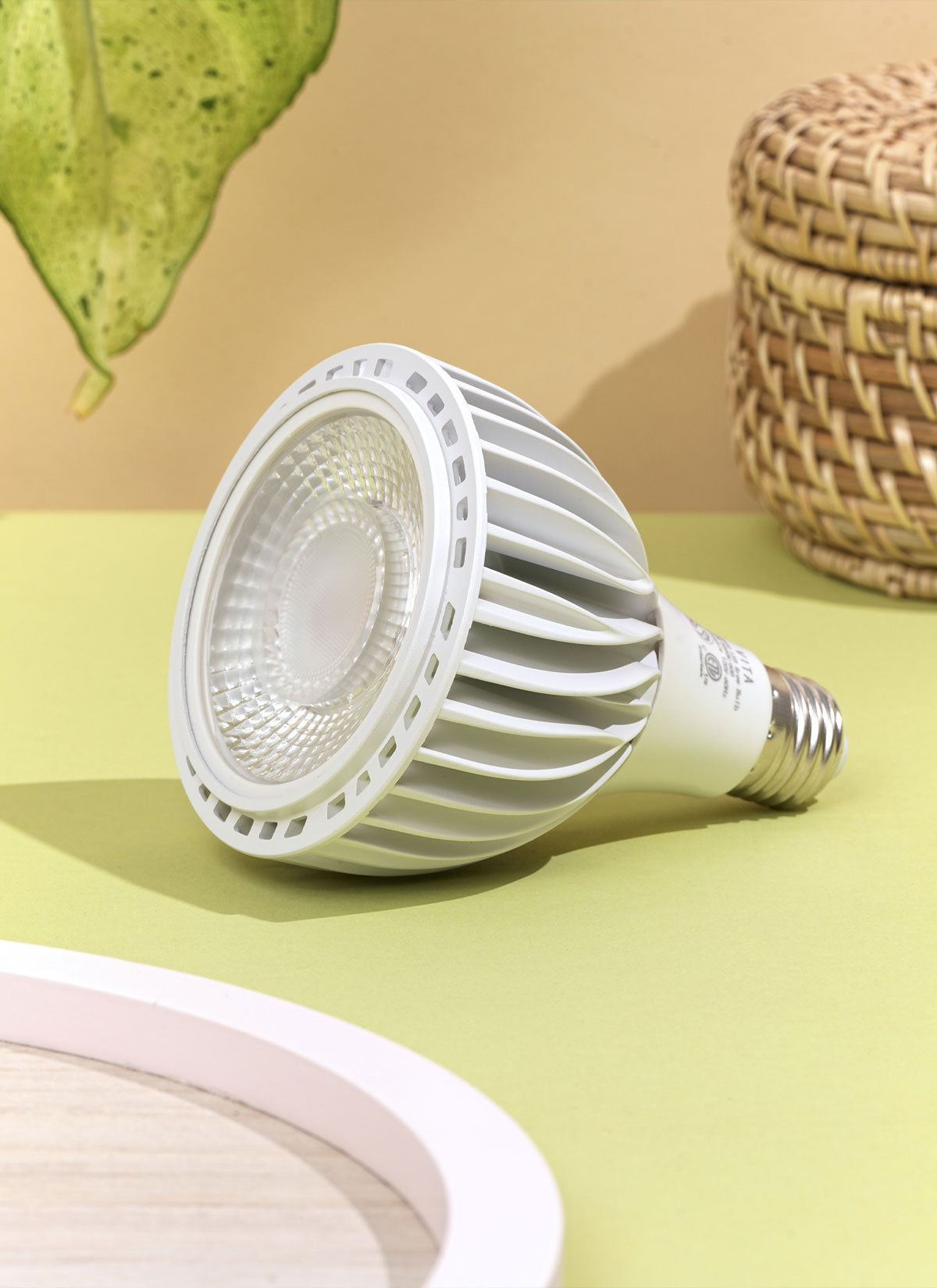
The Burgundy Rubber Plant needs bright, indirect light to maintain its deep, dark coloration. While it can survive in medium light, the leaves will lose their "burgundy" tint and turn a more standard green. Avoid direct afternoon sun, which can cause the leaves to lose their luster or develop burn spots.

Discover Our Grow Lights

BEST SELLER
Vita™ Grow Light
$85.00

Color:

White / Wide (60°) Black / Wide (60°)
Highland™ LED Track Light System
$230.00 - $740.00

Color:

White / 1 light / Narrow (36 Degrees) Black / 1 light / Narrow (36 Degrees)

Watering

Quick Tip: Allow the top 50-75% of the soil to dry out between waterings.

This plant is quite resilient but hates "wet feet." Use the "soak and dry" method: water thoroughly until it drains, then wait until the soil is mostly dry before watering again. If the leaves start to drop, it’s often a sign of overwatering. During the winter, reduce watering frequency significantly.

Temperature

Preferred Temperature: 65º - 85º

The Burgundy Rubber Plant thrives in standard household temperatures. It is sensitive to sudden temperature drops and cold drafts. Keep it away from AC vents and drafty windows, as cold air can cause the plant to drop its lower leaves suddenly.

Humidity

Preferred Humidity: 40 - 60%; Moderate Humidity

This plant is very adaptable and handles average home humidity well. However, it appreciates a bit of extra moisture. Wiping the leaves with a damp cloth once a month not only increases local humidity but also removes dust, allowing the plant to photosynthesize more efficiently and keep its glossy shine.

Additional Plant Care

Propagation
The Burgundy Rubber Plant is most successfully propagated via stem cuttings or air layering. Stem Cuttings: Take a cutting with at least one leaf and one node. Be careful, as the plant bleeds a milky white sap (latex) that can be an irritant. Root in water or moist perlite. Air Layering: This is a more advanced but highly successful method for larger branches.
Toxicity
Quick Warning: The Burgundy Rubber Plant is toxic to humans and animals. The plant contains a milky sap (latex) that can cause skin irritation. If ingested, it can cause gastrointestinal upset and oral irritation. Always wear gloves when pruning and keep the plant away from pets and children.
Repotting
This is a relatively fast-growing tree that may need a larger home every 1-2 years. When to Repot: When you see roots poking out of the drainage holes or growth begins to stall. Choose a Pot: Select a pot 2 inches wider than the current one with excellent drainage. Repot: Use a high-quality, well-draining potting mix. If the tree is getting tall, use a heavy pot (like ceramic) to prevent it from tipping over.
Pruning
Pruning is essential to control the height and encourage "branching." Maintenance: Remove any dead or damaged leaves. Shaping: To encourage a "bushier" look, prune the top of the main stem. This will force the plant to grow new branches from the nodes below the cut. Safety Tip: Keep a paper towel handy to catch the dripping sap after you make a cut.
Fertilizer
The Burgundy Rubber Plant benefits from regular feeding during its active growth. What to Use: A balanced liquid fertilizer diluted to half strength. When to Apply: Fertilize once a month during the spring and summer. Stop fertilizing in the winter.
Soil
A well-draining, aerated medium is key to a healthy Ficus. Ideal Mix: A standard potting soil amended for better drainage. Recommended Blend: 2 parts potting soil to 1 part perlite or orchid bark. This ensures the roots don't stay waterlogged, preventing root rot.

Hanging Heights

Burgundy Rubber Plant Lighting Requirements: High Light (Bright Indirect Light)

A statement plant is one of the simplest ways to make a room feel finished, but the difference between a thriving focal point and a sad, leggy one usually comes down to light. Match the plant to your space, style it with intention, and supplement with a grow light when your favorite design spot falls short on sun.

Outdoor sunlight peaks at around 10,000 foot-candles, but a well-lit room indoors usually measures under 100. The best grow light for your plant comes down to matching the light's output and form to your plant's light category.

Healthy houseplants depend on 17 essential nutrients, and 14 of them come from the soil in the pot. The best setup for most indoor plants is a loose, well-draining soilless mix paired with a diluted, balanced fertilizer applied only while the plant is actively growing. This guide covers what goes into a good potting mix, how to read a fertilizer label, how often to feed, and how to spot the signs of too much of a good thing.