• Login
Search Login

Search anything about Plant Lighting, Content, and More.

Button Fern

SCIENTIFIC NAME: Pellaea rotundifolia

KNOWN AS: Button Fern, New Zealand Button Fern

CLIMATE (LOCATION): New Zealand & Australia | Temperate Forests

DESCRIPTION: The Button Fern is a charming, low-growing evergreen fern that looks quite different from its feathery relatives. It features long, arching fronds lined with small, round, leathery "buttons" of deep forest-green foliage. Unlike many other ferns that are delicate and papery, the Button Fern’s leaves are waxy and slightly stiff, making it significantly more resilient to indoor environments.

Button Fern Plant Care

Lighting

Light Requirement: Medium Light (Medium Indirect Light) to High Light (Bright Indirect Light)
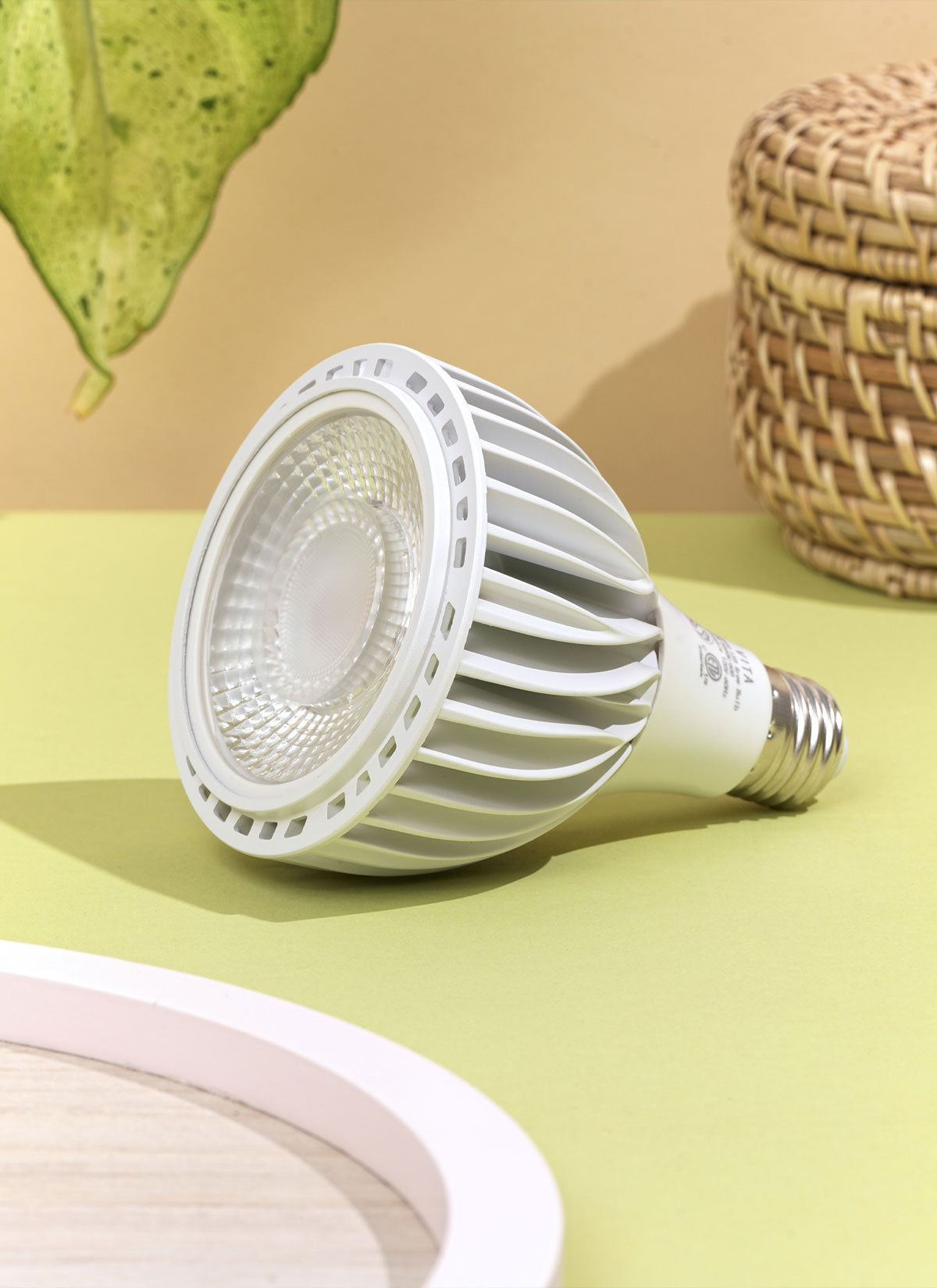
While many ferns are "low-light" plants, the Button Fern actually prefers a bit more brightness.

The Sweet Spot: A spot near an east-facing window is perfect. It loves bright, filtered light.

Low Light: It will survive in lower light, but the fronds will grow sparse, and the plant will lose its compact, mounded shape.

Direct Sun: Avoid midday sun. Harsh afternoon rays will scorch the round "buttons" and turn them a dull brown.

Discover Our Grow Lights

BEST SELLER
Vita™ Grow Light
$85.00

Color:

White / Wide (60°) Black / Wide (60°)
Highland™ LED Track Light System
$230.00 - $740.00

Color:

White / 1 light / Narrow (36 Degrees) Black / 1 light / Narrow (36 Degrees)

Watering

Quick Tip: Allow the top inch of soil to dry out between waterings.

The Button Fern is unique because it is slightly more drought-tolerant than other ferns.

The Routine: Water thoroughly, but allow the top layer of soil to dry out before watering again. It likes to be "moist," but sitting in water will cause root rot very quickly.

Consistency: If the leaves start to turn yellow, you are likely overwatering. If the "buttons" become crispy and drop off, it’s too dry.

Temperature

Preferred Temperature: 60º - 75º

This fern prefers the cooler side of the tropical spectrum, reflecting its New Zealand origins.

The Danger: It does not like extreme heat. Temperatures above 80°F can stress the plant.

Winter: It can handle cooler temperatures than most indoor plants, down to about 50°F, but keep it away from freezing drafts and heaters.

Humidity

Preferred Humidity: 50 - 60%; Moderate Humidity

The Button Fern is the "hero" of ferns because it can handle the average humidity of a home much better than a Maidenhair or Boston Fern.

The Boost: While it's tougher than most, it still appreciates a bit of humidity. A pebble tray or a light misting in the morning will keep the foliage dark and glossy.

Note: If your home is exceptionally dry in the winter, you may notice the edges of the buttons becoming slightly crispy.

Additional Plant Care

Propagation
The Button Fern is best propagated by division. How to Propagate: During the spring, gently remove the plant from its pot and look for natural separations in the root ball. Carefully pull or snip the clumps apart, ensuring each has its own roots and a few healthy fronds. Tip: Repot the divisions immediately into fresh, moist soil.
Toxicity
Quick Warning: Non-Toxic to cats, dogs, and humans. This is a 100% pet-safe plant. Its low, arching habit often attracts curious cats, but you don't have to worry if they take a nibble.
Repotting
When to Repot: Every 1–2 years. It is a slow-to-medium grower and likes a snug pot. Choose a Pot: A shallow pot or a hanging basket is ideal, as the roots don't grow very deep. Ensure it has excellent drainage. The Soil: It needs a mix that stays aerated.
Pruning
Grooming: As the plant grows, older fronds at the base will naturally turn brown. Snip these off at the soil line with sterilized shears to keep the plant looking fresh. Cleaning: The waxy leaves can collect dust. A quick rinse under a lukewarm tap once a month is the best way to keep the "buttons" shining.
Fertilizer
Quick Tip: Feed very lightly; ferns are sensitive to heavy salts. What to Use: A liquid houseplant fertilizer diluted to 1/4 strength. When to Apply: Once a month during the active growing season (Spring and Summer). Caution: Never fertilize a plant with bone-dry soil, as this can burn the roots. Always water with plain water first. Winter: Stop fertilizing entirely from late Autumn through Winter.
Soil
Ideal Mix: A well-draining, slightly alkaline mix. Recommended Blend: 2 parts potting soil, 1 part perlite, and 1 part orchid bark. If you have it, a small handful of horticultural lime can help mimic its native rocky, limestone-rich soil.

Hanging Heights

Button Fern Lighting Requirements: Medium Light (Medium Indirect Light) to High Light (Bright Indirect Light)

Outdoor sunlight peaks at around 10,000 foot-candles, but a well-lit room indoors usually measures under 100. The best grow light for your plant comes down to matching the light's output and form to your plant's light category.

Healthy houseplants depend on 17 essential nutrients, and 14 of them come from the soil in the pot. The best setup for most indoor plants is a loose, well-draining soilless mix paired with a diluted, balanced fertilizer applied only while the plant is actively growing. This guide covers what goes into a good potting mix, how to read a fertilizer label, how often to feed, and how to spot the signs of too much of a good thing.

Plenty of proud plant owners cannot actually name the leafy thing growing on the windowsill. The good news is that you can identify most houseplants by reading five visible clues: leaf shape, leaf arrangement, growth habit, stem or trunk type, and any flowers or markings, then matching those clues against a trusted plant database or free app. Knowing the name is the first step toward giving your plant the right care, especially the right amount of light.