• Login
Search Login

Search anything about Plant Lighting, Content, and More.

Calathea ‘Flamestar’

SCIENTIFIC NAME: Goeppertia veitchiana 'Flamestar'

 KNOWN AS: Flamestar Calathea, Flamestar Prayer Plant

CLIMATE (LOCATION): Ecuador | Tropical Rainforest

DESCRIPTION: The Flamestar is a masterpiece of natural pattern design. It features large, round, glossy leaves that look like they have a "flaming" inner leaf design. The center is a bright chartreuse green, surrounded by a dark forest-green feathered border, which is then encased in a final outer ring of lighter green with wavy, "flame-like" edges. The undersides are a brilliant, deep burgundy-purple.

Calathea ‘Flamestar’ Plant Care

Lighting

Light Requirement: High Light (Bright Indirect Light)
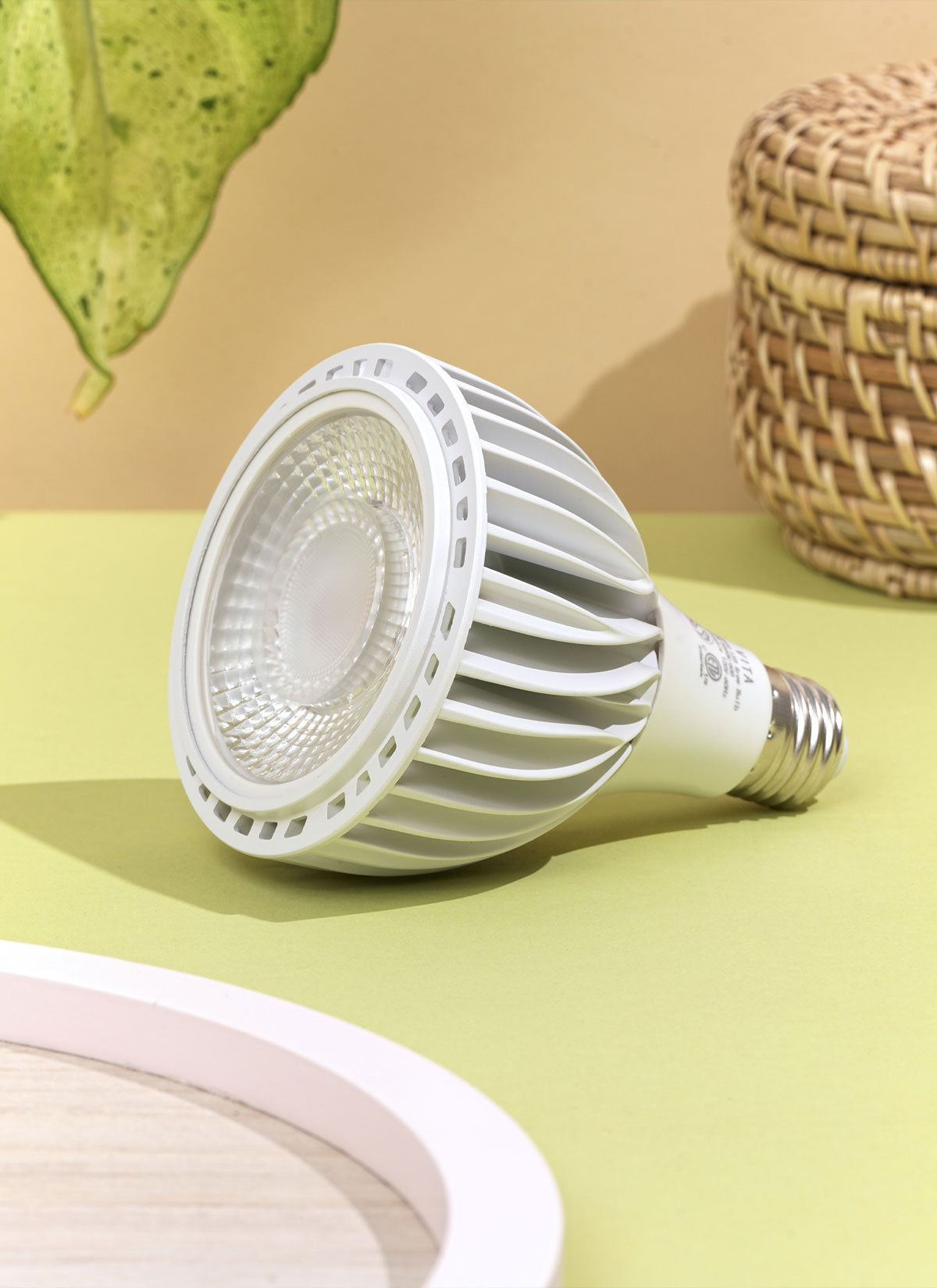
The Flamestar needs a precise balance of light to keep its intricate "inner leaf" pattern sharp.

The Goal: A spot that receives plenty of reflected light but zero direct rays.

Too Much Light: The green colors will fade to a pale, washed-out yellow, and the delicate wavy edges will curl and burn.

Low Light: The "flame" pattern in the center will become less distinct as the plant produces more chlorophyll (turning darker green) to compensate for the lack of energy.

Discover Our Grow Lights

BEST SELLER
Vita™ Grow Light
$85.00

Color:

White / Wide (60°) Black / Wide (60°)
Highland™ LED Track Light System
$230.00 - $740.00

Color:

White / 1 light / Narrow (36 Degrees) Black / 1 light / Narrow (36 Degrees)

Watering

Quick Tip: Keep soil consistently moist but never soggy. Use distilled or rainwater.

Like its cousins, the Flamestar is sensitive to chemicals.

Water Quality: If you use tap water, you will likely see "rust-colored" spots or brown edges. Distilled, rain, or filtered water is best for maintaining pristine foliage.

Consistency: It hates "wet feet" but refuses to be bone-dry. Water when the top half-inch of soil feels dry. If the leaves start to droop or the edges curl inward, it needs a drink immediately.

Temperature

Preferred Temperature: 60º - 80º

The Flamestar thrives in a "tropical-warm" environment.

The Danger: It is highly sensitive to cold shocks. Keep it away from AC vents, drafty windows, or doors that open to the outside in winter.

Stability: Constant temperatures lead to larger leaf growth. If it gets too cold (below 60°F), it may stop "praying" (moving its leaves at night).

Humidity

Preferred Humidity: 60 - 80%; High Humidity

This plant comes from the humid understory of the Ecuadorian rainforest.

Dry Air Issues: In average home humidity, the wavy edges of the Flamestar will become brittle and turn brown.

The Solution: A humidifier is the best way to keep the leaves glossy and large. A humidity tray or a grouping of plants can help, but for a "perfect" Flamestar, 65%+ humidity is the target.

Additional Plant Care

Propagation
Like all Goeppertia, the Flamestar is propagated by division. How to Propagate: During spring repotting, gently separate the rhizomes (root clumps). Ensure each division has at least 2–3 healthy leaves. Aftercare: Place divisions in a high-humidity environment (like a clear bin) until you see new growth, as they are very prone to transplant shock.
Toxicity
Quick Warning: Non-Toxic to cats, dogs, and humans. This plant is completely safe for a household with pets, though its beauty usually warrants keeping it on a pedestal out of "paws-reach."
Repotting
When to Repot: Every 1–2 years in the spring. Choose a Pot: A pot 1–2 inches larger with excellent drainage. The Crown: Do not bury the stems too deep; keep the crown at the same level it was in the previous pot to avoid rot.
Pruning
Movement: It is a prayer plant! Expect the leaves to rise and fall significantly every 24 hours. Cleaning: The glossy leaves are dust magnets. Wipe them once a month with a soft, damp cloth to keep the "flame" pattern looking bright. Grooming: Snip off yellow or brown lower leaves at the very base of the stem with sterilized shears.
Fertilizer
Quick Tip: Fertilize regularly but with a very "weak" solution. What to Use: A balanced liquid houseplant fertilizer (e.g., 10-10-10) diluted to 1/4 strength. When to Apply: Every 3–4 weeks during the spring and summer (growing season). Safety First: Never apply fertilizer to bone-dry soil. Always ensure the soil is slightly damp before feeding to prevent "fertilizer burn" on the roots. Winter: Stop fertilizing completely during the winter months.
Soil
Ideal Mix: A "chunky" yet moisture-retentive aroid-style mix. Recommended Blend: 2 parts peat moss or coco coir, 1 part perlite, and 1 part orchid bark. This allows the roots to stay moist without being smothered.

Hanging Heights

Calathea ‘Flamestar’ Lighting Requirements: High Light (Bright Indirect Light)

A statement plant is one of the simplest ways to make a room feel finished, but the difference between a thriving focal point and a sad, leggy one usually comes down to light. Match the plant to your space, style it with intention, and supplement with a grow light when your favorite design spot falls short on sun.

Outdoor sunlight peaks at around 10,000 foot-candles, but a well-lit room indoors usually measures under 100. The best grow light for your plant comes down to matching the light's output and form to your plant's light category.

Healthy houseplants depend on 17 essential nutrients, and 14 of them come from the soil in the pot. The best setup for most indoor plants is a loose, well-draining soilless mix paired with a diluted, balanced fertilizer applied only while the plant is actively growing. This guide covers what goes into a good potting mix, how to read a fertilizer label, how often to feed, and how to spot the signs of too much of a good thing.