• Login
Search Login

Search anything about Plant Lighting, Content, and More.

Dischidia

SCIENTIFIC NAME: Dischidia 

KNOWN AS: Dischidia, Button Plant, Ant Plant

CLIMATE (LOCATION): Asia, Australia & India | Tropical

DESCRIPTION: The Dischidia is a unique trailing epiphyte cherished for its small, succulent-like leaves in a wide variety of shapes. It is closely related to the Hoya and is a fantastic choice for hanging baskets or shelves, where its long vines can cascade down.

Dischidia Plant Care

Lighting

Light Requirement: Medium Light (Medium Indirect Light) to High Light (Bright Indirect Light)

The Dischidia thrives on bright, indirect light. A location near an east- or west-facing window is ideal. Avoid direct sunlight, as this can easily burn its leaves. If the plant is in a low-light area, it may become leggy and its growth will slow.

Discover Our Grow Lights

SAVE 20%
Aspect™ Gen 2 LED Growlight
$160.00 $200.00

Color:

White Black
SAVE 15%
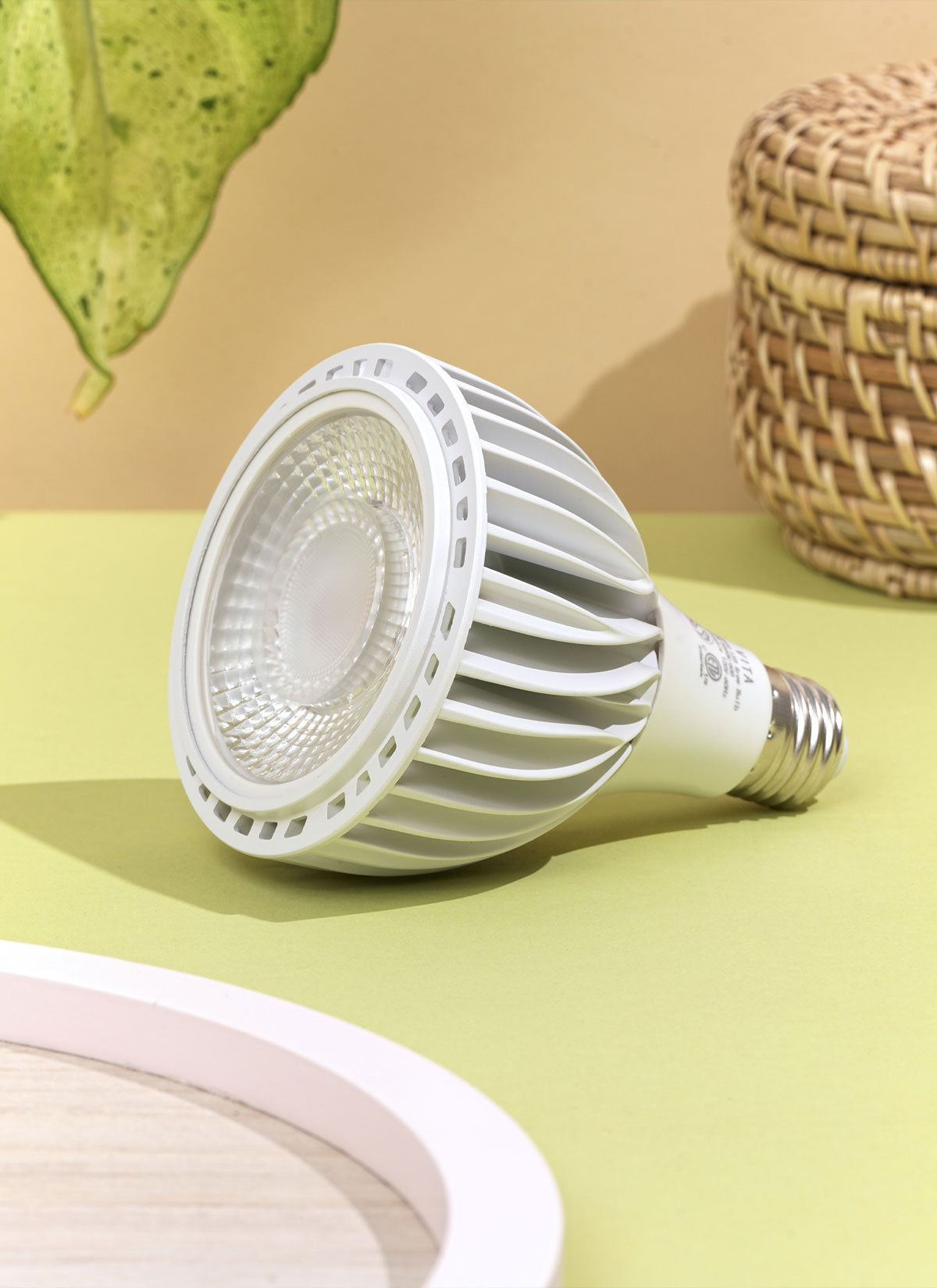
Vita™ Grow Light
$72.25 $85.00

Color:

White / Wide (60°) Black / Wide (60°)
SAVE UP TO 30%
Highland™ LED Track Light System
$195.50 - $518.00 $740.00

Color:

White / 1 light / Narrow (36 Degrees) Black / 1 light / Narrow (36 Degrees)
SAVE 20%
Grove™ LED Grow Light
$104.00 $130.00

Color:

Black White

Watering

Quick Tip: Allow soil to completely dry out before watering.

As an epiphyte, the Dischidia is sensitive to overwatering. Water thoroughly when the soil is completely dry to the touch, and allow the excess water to drain away. It's best to use distilled or filtered water to prevent mineral buildup.

Temperature

Preferred Temperature: 65º - 80º

The Dischidia prefers warm, stable temperatures. The ideal range is between 65-80°F. It is sensitive to cold and should be kept away from drafts and sudden temperature changes.

Humidity

Preferred Humidity: 40 - 60%; Moderate Humidity

The Dischidia appreciates moderate to high humidity. You can increase the humidity around your plant by using a humidifier, misting its leaves, or placing the pot on a tray of pebbles with water.

Additional Plant Care

Propagation
The Dischidia is easily propagated by stem cuttings. Take a cutting of a stem that is a few inches long with a few leaves and a node. Place the cutting in a moist, well-draining medium. You can also root the cuttings in a glass of water before planting them in soil.
Toxicity
The Dischidia is non-toxic to humans and animals. This makes the Dischidia a great choice for households with children and pets.
Repotting
The Dischidia is a slow grower and prefers to be a bit pot-bound. Repotting is typically only necessary every 2-3 years, or when the plant has outgrown its pot. Select a new pot that is only slightly larger than the current one and has drainage holes. Use fresh, well-draining soil and carefully place the plant in the new pot, filling in the sides with fresh soil.
Pruning
Pruning your Dischidia is a great way to maintain its shape and health. Trim back any long or straggly stems. Use clean, sharp shears to cut back the vines to your desired length. This encourages a fuller, bushier plant. The trimmed cuttings can be used for propagation.
Fertilizer
Dischidia plants do not require a lot of fertilizer. A balanced, water-soluble fertilizer diluted to half strength is ideal. Fertilize once a month during the spring and summer growing season. Do not fertilize during the fall and winter.
Soil
The right soil is crucial for a healthy Dischidia. The plant requires a well-draining, airy soil mix. A good mix is potting soil amended with perlite or orchid bark to improve drainage. Always use a pot with a drainage hole to ensure excess water can escape and prevent root rot.

Hanging Heights

Dischidia Lighting Requirements: Medium Light (Medium Indirect Light) to High Light (Bright Indirect Light)

A statement plant is one of the simplest ways to make a room feel finished, but the difference between a thriving focal point and a sad, leggy one usually comes down to light. Match the plant to your space, style it with intention, and supplement with a grow light when your favorite design spot falls short on sun.

Outdoor sunlight peaks at around 10,000 foot-candles, but a well-lit room indoors usually measures under 100. The best grow light for your plant comes down to matching the light's output and form to your plant's light category.

Healthy houseplants depend on 17 essential nutrients, and 14 of them come from the soil in the pot. The best setup for most indoor plants is a loose, well-draining soilless mix paired with a diluted, balanced fertilizer applied only while the plant is actively growing. This guide covers what goes into a good potting mix, how to read a fertilizer label, how often to feed, and how to spot the signs of too much of a good thing.