• Login
Search Login

Search anything about Plant Lighting, Content, and More.

Dracaena ‘Milky Way’

SCIENTIFIC NAME: Dracaena surculosa 'Milky Way'

KNOWN AS: Milky Way Dracaena, Spotted Dracaena

CLIMATE (LOCATION): West Africa | Tropical Rainforest

DESCRIPTION: The 'Milky Way' is a rare and highly decorative cultivar of the Dracaena surculosa (the same family as the Gold Dust). It shares the same shrubby, bamboo-like stems, but its variegation is far more dramatic. Each leaf features a wide, snowy-white band running straight down the center, which is then surrounded by a dark green border heavily speckled with white "stars." The effect is a stunning celestial appearance that looks more like a work of art than a plant. 

Dracaena ‘Milky Way’ Plant Care

Lighting

Light Requirement: High Light (Bright Indirect Light)
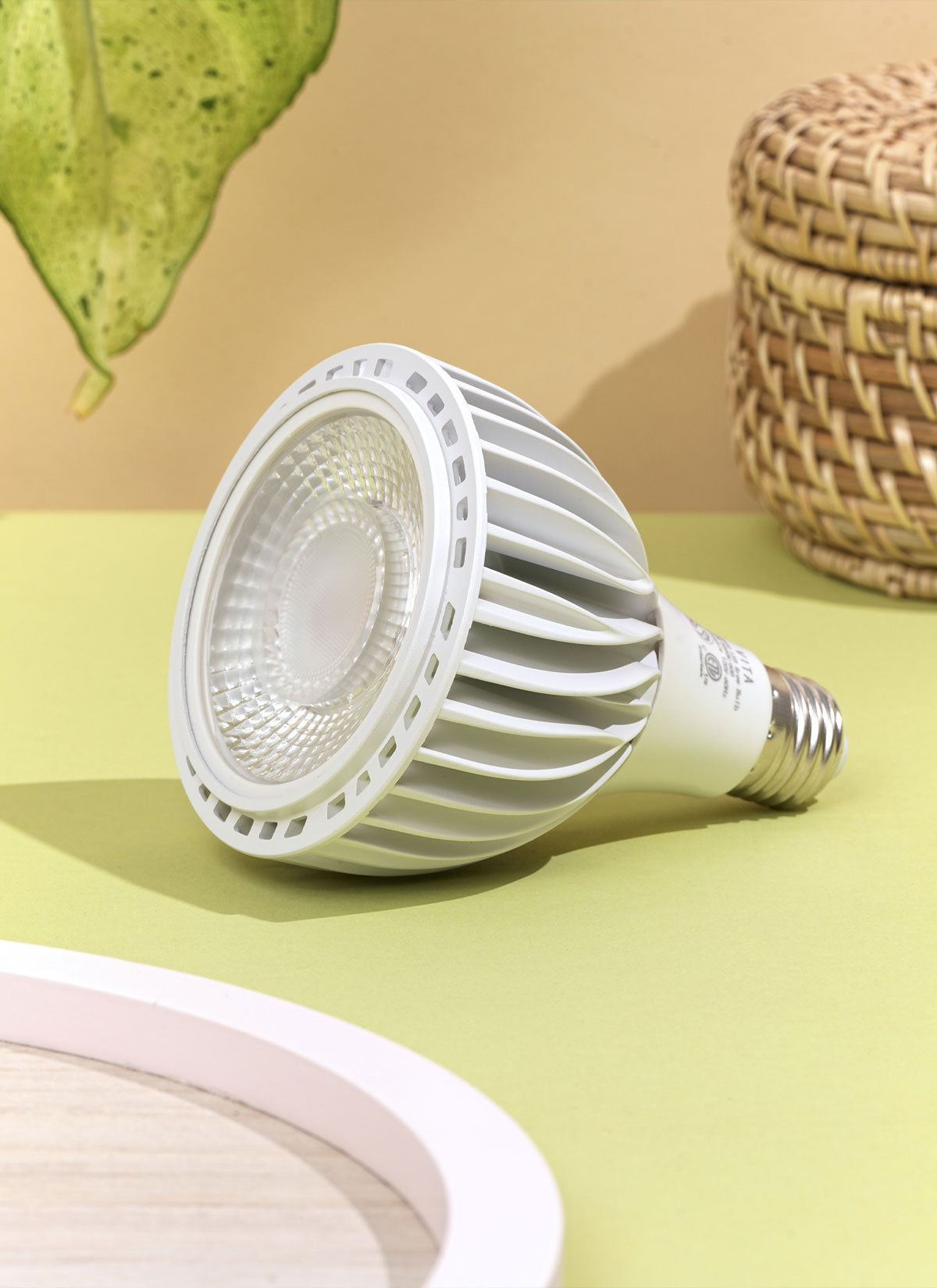
Because of the heavy white variegation in the center of the leaves, this plant needs more light than the average Dracaena.
The Goal: Bright, filtered light. This maintains the "pure" white center.

Low Light: It can survive in lower light, but the white center will likely become narrower, and the "star" speckles will fade to a dull green.

Direct Sun: Warning. The broad white band lacks chlorophyll and is very prone to scorching. Avoid direct afternoon sun, which will turn the white center into a brown, papery mess.

Discover Our Grow Lights

BEST SELLER
Vita™ Grow Light
$85.00

Color:

White / Wide (60°) Black / Wide (60°)
Highland™ LED Track Light System
$230.00 - $740.00

Color:

White / 1 light / Narrow (36 Degrees) Black / 1 light / Narrow (36 Degrees)

Watering

Quick Tip: Water when the top 50–75% of the soil is dry. Sensitive to chemicals.

The Routine: Like its cousin the 'Gold Dust', it prefers to stay slightly more moist than the cane-type Dracaenas but still requires a "drying out" period.

The Water Issue: It is highly sensitive to fluoride and chlorine.

The Solution: Use distilled or rainwater. If you use tap water, the pristine white centers of the leaves are often the first place you will see "rust" spots or brown chemical burns.

Temperature

Preferred Temperature: 65º - 80º

Stability: It thrives in standard household warmth.

Cold: Keep it away from AC vents and cold drafts. It is a tropical plant that will shed leaves quickly if the temperature drops below 60°F.

Humidity

Preferred Humidity: 50 - 70%; Moderate/High Humidity

The Requirement: While it can adapt to average home humidity, it is much more likely to keep its leaves if the air is moist.

Dry Air Signs: In dry air, the tips of the leaves—and even the edges of the white centers—will become brown and brittle. A humidifier is the best way to keep a 'Milky Way' looking nursery-fresh.

Additional Plant Care

Propagation
How to Propagate: Stem Cuttings. Take a cutting of a leafy stem and root it in water or damp sphagnum moss. Note: It is a slow grower, so be prepared for it to take a few months before it is ready to be potted in soil.
Toxicity
Quick Warning: Toxic to cats and dogs. Contains saponins. If ingested, it causes dilated pupils, drooling, vomiting, and lack of appetite. Because of its bushy nature, it can be very tempting for pets to "hide" in or chew on—keep it safely out of reach.
Repotting
When to Repot: Only every 2–3 years. It has a relatively delicate root system and prefers not to be disturbed too often. The Pot: Use a pot with excellent drainage. The Mix: It prefers a mix rich in organic matter that still drains well.
Pruning
Grooming: Remove any yellowing leaves at the base. Cleaning: Dust interferes with the plant’s "shimmer." Wipe the leaves with a damp cloth once a month. Bushiness: If the plant becomes too tall and "spindly," pruning the stems will encourage it to branch out from the base, creating a fuller, more compact look.
Fertilizer
Quick Tip: Feed very lightly; the white parts of the leaf are sensitive. What to Use: A balanced liquid fertilizer diluted to 1/4 or 1/2 strength. When to Apply: Once a month during the active growing season (Spring and Summer). Winter: Do not fertilize in the winter.
Soil
Ideal Mix: A well-draining potting soil with extra aeration. Recommended Blend: 2 parts potting soil, 1 part peat moss, and 1 part perlite.

Hanging Heights

Dracaena ‘Milky Way’ Lighting Requirements: High Light (Bright Indirect Light)

For the past two decades, knocking down walls was the default answer to a cramped, chopped-up floor plan. But a fully open room without definition tends to feel directionless, nobody quite knows where the living room ends and the dining area begins, and every activity competes for the same visual space.

The smartest long-term move for a plant lighting setup is one fixture engineered to run for a decade, not three you'll end up replacing within a few years. This guide covers what's driving the shift toward buying fewer, better home pieces, how to work out what a light fixture really costs you over time, and how to choose one you won't be shopping to replace next season.

The most useful way to design a room's lighting isn't picking one fixture at one brightness and leaving it there, it's building a light plan that shifts through the day the way daylight itself does: neutral and bright at midday, warm and low by evening. This guide covers how that daily arc works, what the research says about timing and color, and which grow lights and simple controls make the shift automatic instead of a nightly chore.