• Login
Search Login

Search anything about Plant Lighting, Content, and More.

Emerald Palm ZZ Plant

SCIENTIFIC NAME: Zamioculcas zamiifolia 'Emerald Palm'

KNOWN AS: Emerald Palm ZZ, Upright Zanzibar Gem

CLIMATE (LOCATION): Eastern Africa | Drought-Prone Forests & Savannas

DESCRIPTION: This specific cultivar is selected for its ultra-glossy, thick, dark-emerald foliage and its incredibly strong, vertical habit. While standard ZZs can sometimes "splay" out as they get older, 'Emerald Palm' is bred to stay tight and upright. The leaves are slightly more oval and thicker than the standard version, and the color is a more consistent, saturated dark green.

Easy difficulty & pet toxic

Emerald Palm ZZ Plant Plant Care

Lighting

Light Requirement: High Light (Bright Indirect Light); Low Light Tolerant
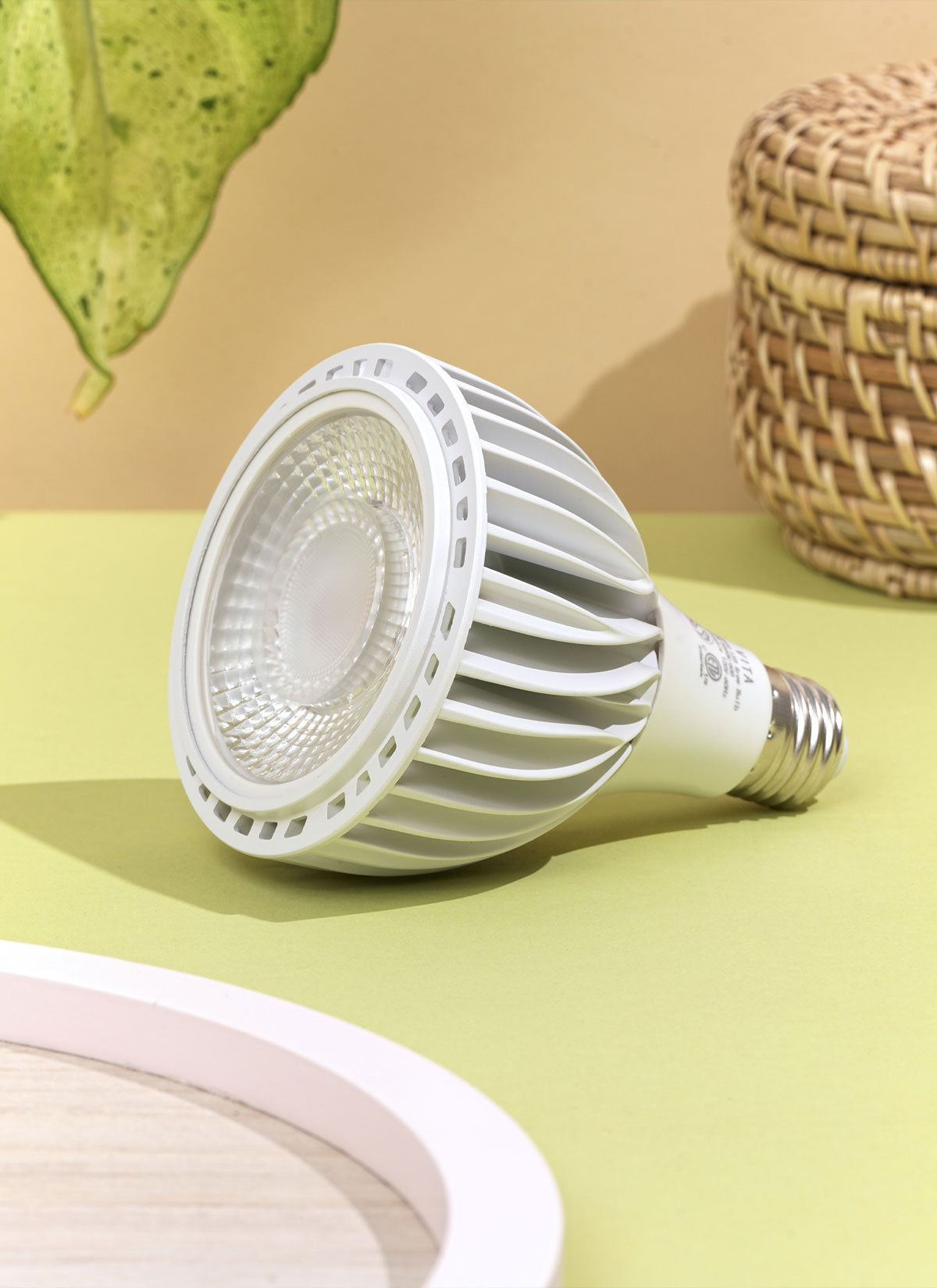
The "Emerald Palm" Difference: Because this specific variety is bred for its deep emerald saturation, its light requirements are a bit more fixed if you want to keep that color.

Preferred: Bright Indirect Light. This is where 'Emerald Palm' looks its best. The high light makes the waxy cuticle on the leaves thicker, giving it that "wet paint" shine.

Low Light Performance: It is a champion of low light, but be aware that in dim conditions, the "upright" nature of this cultivar may fail—it will eventually lean toward the nearest light source and the new stems will be thinner.

The Rule: If you want it to look like the "Emerald Palm" in the catalog (thick, straight, and dark), keep it in bright indirect light.

Discover Our Grow Lights

BEST SELLER
Vita™ Grow Light
$85.00

Color:

White / Wide (60°) Black / Wide (60°)
Highland™ LED Track Light System
$230.00 - $740.00

Color:

White / 1 light / Narrow (36 Degrees) Black / 1 light / Narrow (36 Degrees)

Watering

Quick Tip: Water once every 3–4 weeks. When in doubt, don't water.

The Storage: The 'Emerald Palm' has massive, potato-like rhizomes. It is effectively a succulent in a palm's clothing.

The Danger: If you water this plant when the soil is still moist, you will trigger rhizome rot. The stems will turn yellow at the base and eventually fall over.

The Test: Stick a chopstick or your finger to the bottom of the pot. If any soil sticks, do not water.

Temperature

Preferred Temperature: 65º - 85º

Sensitivity: This specific cultivar is slightly more sensitive to cold than the wild-type ZZ. Keep it strictly above 60°F. Cold air will cause the emerald leaves to lose their luster and turn a dull, matte grey-green.

Humidity

Preferred Humidity: 30 - 50%; Low/Moderate Humidity

The Advantage: One of the reasons it's called 'Emerald Palm' is that it looks like a tropical palm but doesn't require the 80% humidity that a real palm (like a Majesty or Majesty Palm) would need to survive. It is perfectly happy in dry, air-conditioned rooms.

Additional Plant Care

Propagation
Propagation is easy but very slow for this cultivar. Division: The most effective way. During repotting, gently separate the root/rhizome clumps. Leaf Cuttings: You can stick a single leaflet into soil. It will grow a tiny rhizome first, but it can take 9+ months to see a new stem. Stem Cuttings: Entire stalks can be rooted in water, though it takes several months to establish.
Toxicity
Quick Warning: Toxic to cats, dogs, and humans. Contains calcium oxalate crystals. Ingestion causes immediate mouth irritation, swelling, and drooling. Always wash your hands after handling the plant or its sap to avoid skin or eye irritation.
Repotting
When to Repot: Only every 2–3 years. The ‘Emerald Palm’ likes to be root-bound. Choose a Pot: A heavy pot (ceramic/stone) with excellent drainage. Because this variety is so tall and dense, it can tip over lightweight plastic pots. The Crown: Do not bury the stems deeper than they were in the previous pot.
Pruning
Grooming: Remove only the oldest yellowing stems at the very base with sterilized shears. Cleaning: This is critical. The "Emerald" look relies on its shine. Wipe the leaves with a damp cloth monthly. Do not use leaf-shine products. Rotation: To keep it perfectly upright, rotate the pot 90° every few weeks so all sides get even light.
Fertilizing
Quick Tip: Feed very sparingly to maintain its compact, upright form. What to Use: A balanced liquid fertilizer (10-10-10) diluted to half strength. When to Apply: Only twice a year—once in the Spring and once in the Summer. Warning: Too much fertilizer will cause the stems to grow too fast and "flop," destroying the upright 'Emerald Palm' shape.
Soil
Ideal Mix: A gritty, fast-draining mix. Recommended Blend: 1 part potting soil, 1 part perlite, and 1 part succulent/cactus grit or pumice. This ensures the "potatoes" (rhizomes) never sit in stagnant water.

Hanging Heights

Emerald Palm ZZ Plant Lighting Requirements: High Light (Bright Indirect Light); Low Light Tolerant

Outdoor sunlight peaks at around 10,000 foot-candles, but a well-lit room indoors usually measures under 100. The best grow light for your plant comes down to matching the light's output and form to your plant's light category.

Healthy houseplants depend on 17 essential nutrients, and 14 of them come from the soil in the pot. The best setup for most indoor plants is a loose, well-draining soilless mix paired with a diluted, balanced fertilizer applied only while the plant is actively growing. This guide covers what goes into a good potting mix, how to read a fertilizer label, how often to feed, and how to spot the signs of too much of a good thing.

Plenty of proud plant owners cannot actually name the leafy thing growing on the windowsill. The good news is that you can identify most houseplants by reading five visible clues: leaf shape, leaf arrangement, growth habit, stem or trunk type, and any flowers or markings, then matching those clues against a trusted plant database or free app. Knowing the name is the first step toward giving your plant the right care, especially the right amount of light.