• Login
Search Login

Search anything about Plant Lighting, Content, and More.

Ficus Triangularis

SCIENTIFIC NAME: Ficus Triangularis (often sold as Ficus natalensis subsp. leprieurii)

KNOWN AS: Triangle Ficus, Triangle Leaf Fig

CLIMATE (LOCATION): South and West Africa | Tropical

DESCRIPTION: The Ficus Triangularis is a unique member of the fig family, instantly recognizable by its unusual, thick, heart-shaped or triangular leaves. It has a stiff, woody growth habit and a sophisticated, architectural silhouette. While the solid green version is stunning, the variegated variety (with creamy white borders) is a highly coveted "it" plant in interior design.

Moderate difficulty & pet toxic

Ficus Triangularis Plant Care

Lighting

Light Requirement: High Light (Bright Indirect Light)

The Triangle Ficus is very light-hungry. It needs bright, indirect light to keep its leaves from dropping. If you have the variegated version, it requires even more light to maintain the white edges. Avoid direct midday sun, which can burn the leaves, but a spot near a large south or west-facing window is ideal.

Discover Our Grow Lights

SAVE 20%
Aspect™ Gen 2 LED Growlight
$160.00 $200.00

Color:

White Black
SAVE 15%
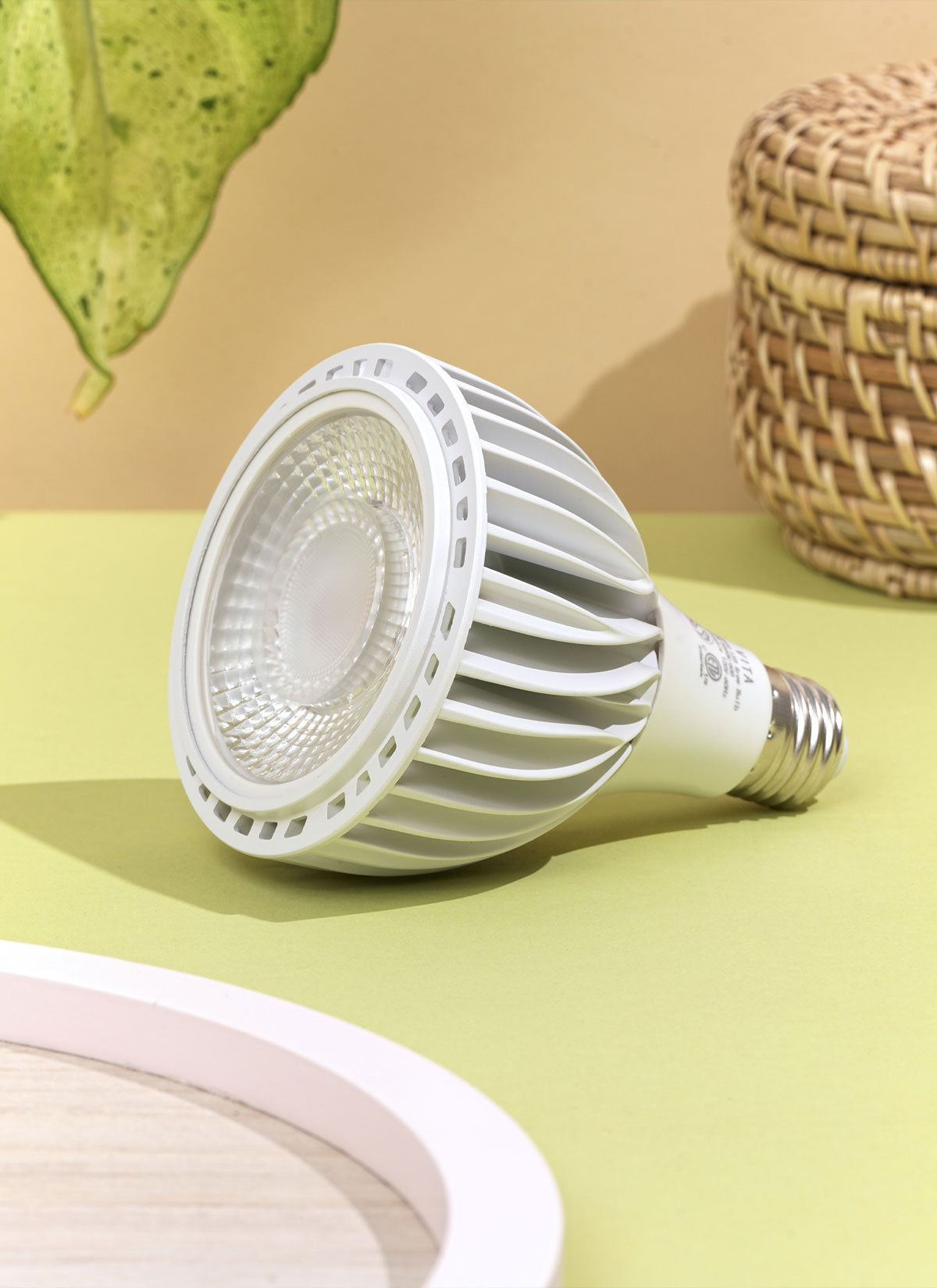
Vita™ Grow Light
$72.25 $85.00

Color:

White / Wide (60°) Black / Wide (60°)
SAVE UP TO 30%
Highland™ LED Track Light System
$195.50 - $518.00 $740.00

Color:

White / 1 light / Narrow (36 Degrees) Black / 1 light / Narrow (36 Degrees)
SAVE 20%
Grove™ LED Grow Light
$104.00 $130.00

Color:

Black White

Watering

Quick Tip: Water when the top 1-2 inches of soil are dry.

Unlike the ZZ plant, the Triangle Ficus does not like to dry out completely. However, it will drop leaves if it sits in soggy soil. Aim for a "Goldilocks" approach: keep the soil evenly moist. If the leaves turn yellow and drop, you may be overwatering; if they turn crispy and drop, it’s too dry.

Temperature

Preferred Temperature: 65º - 85º

This plant loves a stable, warm environment. It is notorious for dropping leaves in response to sudden temperature changes. Keep it far away from air conditioning vents, space heaters, and drafty doors. It cannot handle temperatures below 60°F.

Humidity

Preferred Humidity: 50 - 80%; Moderate/High Humidity

While it can adapt to average home humidity, it thrives when the air is more humid. Low humidity can cause the leaf edges to brown. Using a humidifier or grouping it with other plants is highly recommended, especially during the winter when indoor air is dry.

Additional Plant Care

Propagation
The Ficus Triangularis can be propagated via stem cuttings. How to Propagate: Take a 4-6 inch cutting from a semi-hardwood branch. Be prepared for the milky white sap. Place the cutting in water or moist perlite and keep it in a very warm, bright spot. Note: This plant can be slow to root, so patience is required.
Toxicity
Quick Warning: The Ficus Triangularis is toxic to humans and animals. Like all Ficus plants, it contains a milky sap (latex) that can cause skin irritation and gastrointestinal distress if ingested. Always wash your hands after pruning or handling a broken stem.
Repotting
This plant doesn't like to be disturbed often, as it is sensitive to "root shock." When to Repot: Only every 2–3 years in the spring. Choose a Pot: Use a pot only 1-2 inches larger than the current one with excellent drainage. Repot: Use extreme care not to damage the root ball. Don't be surprised if the plant drops a few leaves after moving to a new pot—it just needs time to adjust.
Pruning
Pruning is great for maintaining its unique shape and encouraging bushier growth. Maintenance: Cut back any "leggy" branches to a leaf node to encourage branching. Safety: Use clean, sharp shears and have a paper towel ready to catch the milky sap, which can stain furniture or irritate your skin.
Fertilizing
It is a moderate feeder during its active growth period. What to Use: A balanced liquid fertilizer diluted to half strength. When to Apply: Once a month during the spring and summer. Do not fertilize in the winter when the plant's metabolism slows down.
Soil
A well-draining, high-quality soil is essential for root health. Ideal Mix: A standard indoor potting soil with added drainage. Recommended Blend: 2 parts potting soil to 1 part perlite or orchid bark. This ensures the soil stays aerated and prevents the dreaded root rot.

Hanging Heights

Ficus Triangularis Lighting Requirements: High Light (Bright Indirect Light)

The easiest way to bring houseplants into your home is to start with low-maintenance houseplants like the Snake plant, ZZ plant, Pothos, Heartleaf philodendron, and Peperomia, then arrange them at different heights so the room feels layered and alive. This guide covers which plants to choose, how to style them for a biophilic look, and what to do when your space is short on natural light.

Outdoor sunlight at midday can reach 10,000 to 12,000 foot-candles, while a room lit only by overhead fixtures often sits around 40 foot-candles or fewer. The trick to styling a grow light is matching its shape (a pendant, a lamp, a freestanding stand, a track, or a screw-in bulb) to your room's layout and your plants' light needs, so the fixture reads as decor first and plant care second.

The Monstera includes dozens of distinct species, and the name itself traces back to the Latin word for “monstrous,” a nod to the dramatic holes and splits that make these plants instantly recognizable. The monsteras you are most likely to meet indoors are Monstera deliciosa, Monstera adansonii, and a small group of variegated and silver-leaved varieties, each different enough to change how you care for them.