• Login
Search Login

Search anything about Plant Lighting, Content, and More.

Flame Violet

SCIENTIFIC NAME: Episcia cupreata (Other popular species include E. reptans)

KNOWN AS: Flame Violet, Carpet Violet

CLIMATE (LOCATION): Central and South America | Tropical Rainforest Floor 

DESCRIPTION: The Flame Violet is a jaw-dropping relative of the African Violet and the Goldfish Plant. It is famous for its plush, quilted velvet leaves that come in metallic shades of copper, bronze, mint green, and chocolate brown, often featuring a shimmering silver or pink stripe down the center. As if the metallic foliage weren't enough, it pushes out a continuous display of bright, tubular, neon-red or orange flowers. It grows via runners (stolons), quickly forming a dense, colorful carpet or cascading beautifully over a hanging basket.

Flame Violet Plant Care

Lighting

Light Requirement: High Light (Bright Indirect Light)

The Goal: Provide bright, dappled, or filtered light. A spot near an east-facing window or protected by a sheer curtain is absolute perfection.

Low Light: It handles lower light better than most flowering plants, but its metallic colors will turn dull and green, its growth will stall, and it will completely stop blooming.

Direct Sun: Lethal. The delicate, velvety leaves burn easily under direct afternoon sun, leaving bleached, crisp holes.

Discover Our Grow Lights

SAVE 20%
Aspect™ Gen 2 LED Growlight
$160.00 $200.00

Color:

White Black
SAVE 15%
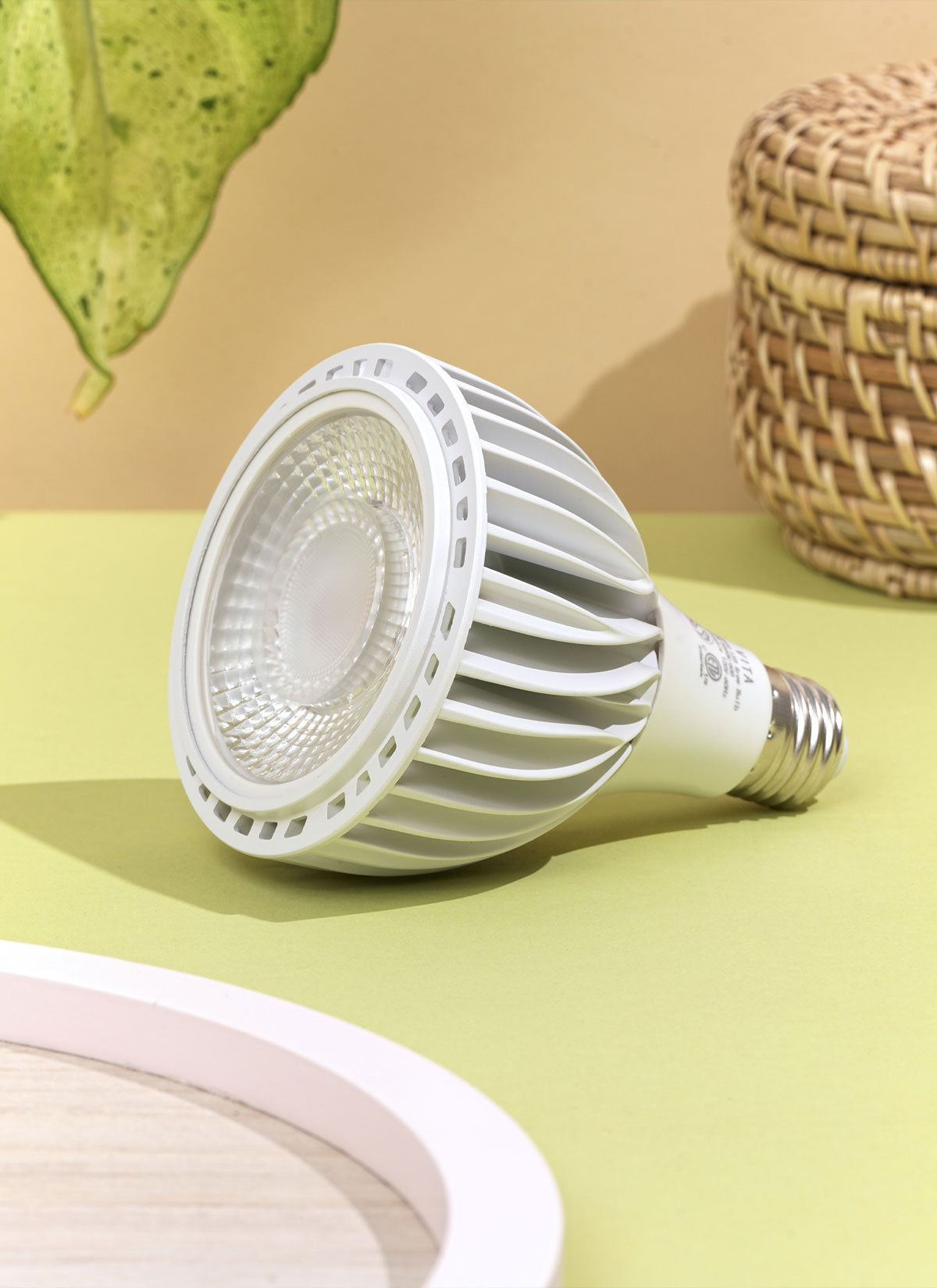
Vita™ Grow Light
$72.25 $85.00

Color:

White / Wide (60°) Black / Wide (60°)
SAVE UP TO 30%
Highland™ LED Track Light System
$195.50 - $518.00 $740.00

Color:

White / 1 light / Narrow (36 Degrees) Black / 1 light / Narrow (36 Degrees)
SAVE 20%
Grove™ LED Grow Light
$104.00 $130.00

Color:

Black White

Watering

Quick Tip: Keep the soil consistently moist, but not waterlogged.

The Routine: Water as soon as the top half-inch of soil feels dry. It prefers a consistent, light level of moisture and hates drying out completely.

The Velvet Leaf Rule: Critical. Avoid splashing water onto the fuzzy leaves. Water sitting on the velvet foliage can trap fungal spores, causing ugly brown spots or crown rot. Always water directly onto the soil surface or water from the bottom.

Water Quality: Use lukewarm, filtered, or rainwater. Cold tap water will instantly shock the roots and can cause permanent yellow rings on the leaves.

Temperature

Preferred Temperature: 70º - 85º

The Flame Violet is an extreme warmth-lover with zero tolerance for the cold.

The Limit: Never let the temperature drop below 65°F (18°C). Cold Shock: Exposure to cold windows, air conditioning blasts, or winter drafts will cause the velvety leaves to shrivel, turn black, and die within hours. If you keep your home cool in the winter, this plant will struggle without artificial heat.

Humidity

Preferred Humidity: 60 - 80%; High Humidity

The Flame Violet is an extreme warmth-lover with zero tolerance for the cold.

The Limit: Never let the temperature drop below 65°F (18°C). * Cold Shock: Exposure to cold windows, air conditioning blasts, or winter drafts will cause the velvety leaves to shrivel, turn black, and die within hours. If you keep your home cool in the winter, this plant will struggle without artificial heat.

Additional Plant Care

Propagation
The Flame Violet is one of the easiest plants in the world to propagate thanks to its "runners." How to Propagate: The plant behaves like a strawberry, throwing out baby plantlets (stolons) on long strings. The Moss Method: Simply snip off a baby plantlet, clip the long string, and press the base of the baby into a small pot of damp sphagnum moss or moist soil. The Secret: Cover the new container with a clear plastic bag or cup to lock in high humidity. It will throw out a robust root system in just 1 to 2 weeks.
Toxicity
Quick Warning: Non-Toxic to cats, dogs, and humans. Like its cousin the Goldfish Plant, the Flame Violet is 100% pet-safe. You can place this colorful, shimmering beauty on lower tables or let it trail down a shelf without any worry if your cat or dog decides to investigate the bright red flowers.
Repotting
When to Repot: Once a year in the spring. They have a shallow, delicate root system and prefer wider, shallow pots (bulb pans) over deep pots. The Pot: Always use a pot with ample drainage holes. Plastic pots are preferred over terra cotta because they help keep the soil from drying out too fast. The Runners: When repotting, you can let the runners hang over the edge, or pin them down into the soil of a wider pot to create a massive, dense carpet of foliage.
Pruning
Managing Runners: If left untamed, the plant will put all its energy into making baby plantlets rather than flowers. Snip off excess runners to encourage a denser main plant and a higher flower count. Grooming: Carefully clip away spent flowers and older, fading leaves at the base using fine, sterilized scissors to prevent fungal growth. Cleaning: Never scrub fuzzy leaves with a wet cloth. If they get dusty, use a soft, dry makeup brush or paintbrush to gently sweep the dust away.
Fertilizer
Quick Tip: Feed lightly but consistently to keep the neon blooms coming. What to Use: A high-phosphorus liquid fertilizer (like an African Violet formula or a 15-30-15 blend) diluted to quarter strength. When to Apply: Every 2 weeks during the active growing and blooming season (Spring and Summer). Winter: Reduce to once every 6 weeks, or stop entirely if the plant slows down during the darker months.
Soil
Heavy, dense potting mixes will easily suffocate and rot the fine, shallow roots of an Episcia. Ideal Mix: An ultra-lightweight, airy, and well-draining African Violet mix. Recommended Blend: 1 part standard potting soil, 2 parts sphagnum peat moss (or coco coir), and 1 part perlite. This combination holds a steady amount of moisture while allowing perfect root aeration.

Hanging Heights

Flame Violet Lighting Requirements: High Light (Bright Indirect Light)

The easiest way to bring houseplants into your home is to start with low-maintenance houseplants like the Snake plant, ZZ plant, Pothos, Heartleaf philodendron, and Peperomia, then arrange them at different heights so the room feels layered and alive. This guide covers which plants to choose, how to style them for a biophilic look, and what to do when your space is short on natural light.

Outdoor sunlight at midday can reach 10,000 to 12,000 foot-candles, while a room lit only by overhead fixtures often sits around 40 foot-candles or fewer. The trick to styling a grow light is matching its shape (a pendant, a lamp, a freestanding stand, a track, or a screw-in bulb) to your room's layout and your plants' light needs, so the fixture reads as decor first and plant care second.

The Monstera includes dozens of distinct species, and the name itself traces back to the Latin word for “monstrous,” a nod to the dramatic holes and splits that make these plants instantly recognizable. The monsteras you are most likely to meet indoors are Monstera deliciosa, Monstera adansonii, and a small group of variegated and silver-leaved varieties, each different enough to change how you care for them.