• Login
Search Login

Search anything about Plant Lighting, Content, and More.

Lipstick Plant

SCENTIFIC NAME: Aeschynanthus radicans

KNOWN AS: Lipstick Plant, Lipstick Vine, Basket Vine

CLIMATE (LOCATION): Asia | Tropical & Subtropical

DESCRIPTION: The Lipstick Plant is a stunning vining epiphyte known for its glossy, dark green leaves and unique, bright red flowers. Its blooms emerge from dark, tube-like buds, giving them the appearance of a tube of lipstick. This plant is a fantastic choice for hanging baskets, where its beautiful vines can trail down.

Lipstick Plant Plant Care

Lighting

Light Requirement: High Light (Bright Indirect Light)
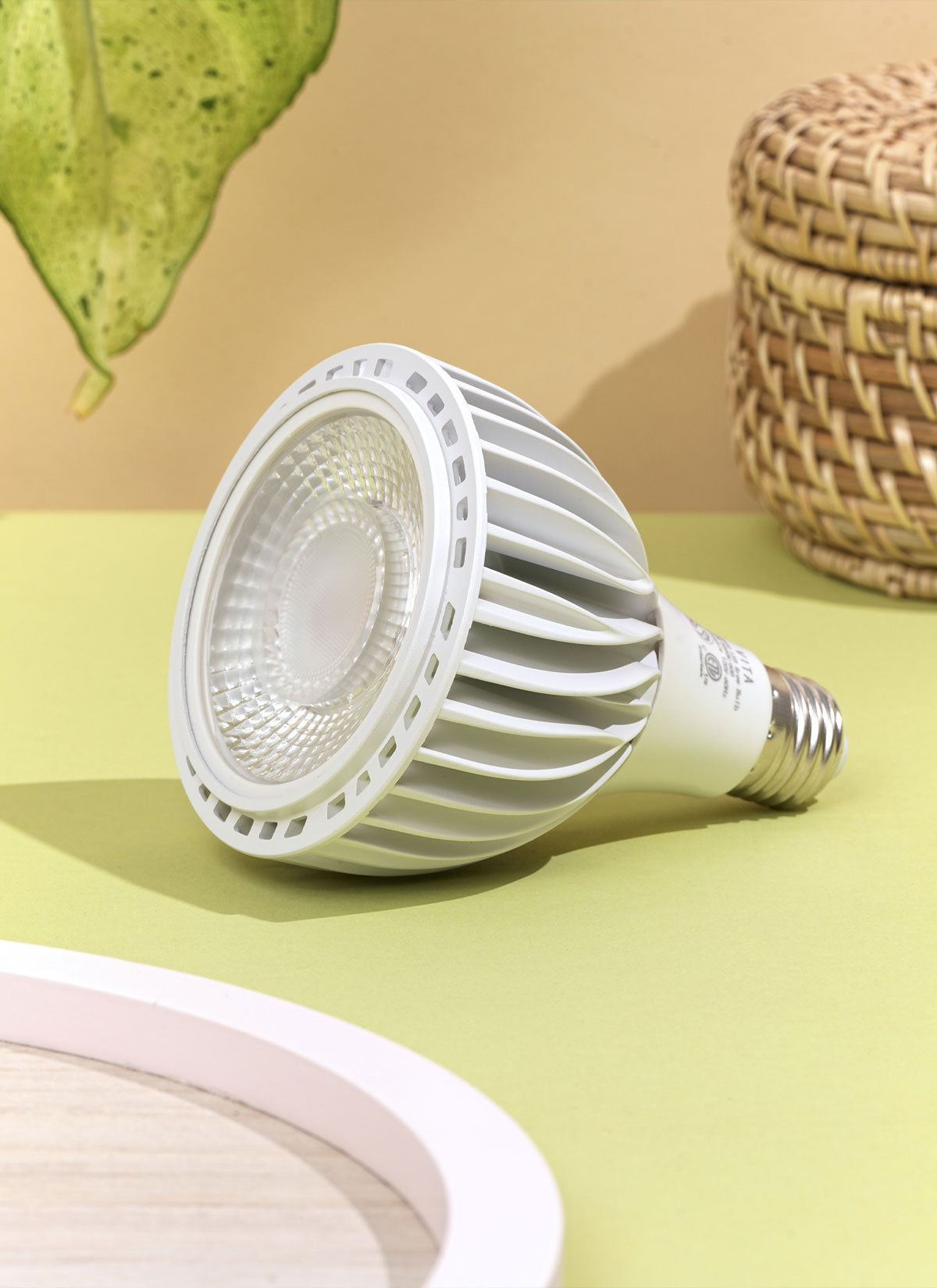
The Lipstick Plant needs plenty of light to thrive and bloom. It prefers bright, indirect light from an east- or west-facing window. Avoid placing it in direct sunlight, as this can easily scorch its leaves and prevent it from flowering.

Discover Our Grow Lights

BEST SELLER
Vita™ Grow Light
$85.00

Color:

White / Wide (60°) Black / Wide (60°)
Highland™ LED Track Light System
$230.00 - $740.00

Color:

White / 1 light / Narrow (36 Degrees) Black / 1 light / Narrow (36 Degrees)

Watering

Quick Tip: Allow the top 25% of soil to dry out before watering.

The Hoya Wax Plant is a succulent that stores water in its leaves and is highly sensitive to overwatering, which is the most common cause of root rot. Water thoroughly and allow the soil to become completely dry before watering again. Reduce watering in the fall and winter dormant season.

Temperature

Preferred Temperature: 65º - 80º

The Hoya Wax Plant prefers warm, stable temperatures. The ideal range is between 60-85°F. Keep your plant away from cold drafts and sudden temperature changes, as these can cause stress and prevent the plant from flowering.

Humidity

Preferred Humidity: 50 - 60%; Moderate Humidity

The Lipstick Plant thrives in moderate to high humidity. You can increase the humidity around your plant by using a humidifier, placing the pot on a tray of pebbles with water, or misting the foliage regularly.

Additional Plant Care

Propagation
The Lipstick Plant is easily propagated by stem cuttings. Take a 4-6 inch cutting from a healthy stem, removing the lower leaves. You can root the cutting in water or a moist potting mix. Using a rooting hormone can increase your chances of success.
Toxicity
The Lipstick Plant is non-toxic to humans and animals. This plant is safe for households with children and pets.
Repotting
Lipstick Plants prefer to be a bit root-bound, which helps encourage flowering. Repotting is typically only necessary every 2-3 years, or when the plant has outgrown its pot. The best time to repot is in the spring. Select a new pot that is only slightly larger than the old one and has drainage holes. Use fresh, well-draining soil and carefully place the plant in the new pot, filling in the sides with fresh soil.
Pruning
Pruning is a great way to maintain the shape and health of your Lipstick Plant. Trim back any long or straggly stems to encourage new, healthy growth. Use clean, sharp shears to cut back as much as one-third of each vine. Pruning after the blooming period can help promote more flowers next season.
Fertilizer
Lipstick Plants benefit from regular fertilization during the growing season to promote healthy growth and vibrant blooms. A balanced, water-soluble fertilizer diluted to half strength is ideal. Fertilize every two to four weeks during the spring and summer growing season. Do not fertilize during the fall and winter.
Soil
The right soil is crucial for a healthy Lipstick Plant. The plant requires a well-draining, airy potting mix. A good mix is potting soil amended with perlite and sand to mimic its native epiphytic growing conditions. Always use a pot with a drainage hole to ensure excess water can escape and prevent root rot.

Hanging Heights

Lipstick Plant Lighting Requirements: High Light (Bright Indirect Light)

For years, indoor gardening often meant hiding unsightly purple-hued equipment in basements or behind furniture. However, a significant shift in interior design has transformed plant care into a centerpiece of the home. Modern interior designers are no longer tucking grow lights away; they are treating them as intentional, sculptural elements that define the atmosphere of a room.

You bought a Snake Plant or a ZZ Plant because the tag said "low light tolerant." You placed it in that stylish, dim corner of your living room or on a bookshelf far from the window. Six months later, the leaves are yellowing, the growth has stalled, and the plant looks like it’s slowly fading away.

Living in an apartment often means balancing a love for indoor jungles with the strict reality of a lease agreement. For many renters, the primary barrier to supplemental lighting is the assumption that high-quality fixtures require permanent installation. If you are wary of losing your security deposit or aren't handy with a power drill, you don’t have to sacrifice your plants to a dark corner.