• Login
Search Login

Search anything about Plant Lighting, Content, and More.

Living Stone

SCIENTIFIC NAME: Lithops

KNOWN AS: Living Stone Plant, Flowering Stones, Pebble Plants

CLIMATE (LOCATION): Southern Africa | Arid

DESCRIPTION:  The Living Stone Plant is one of the most unique and fascinating succulents, known for its incredible camouflage. The plant consists of two fleshy, fused leaves that resemble pebbles or stones. It follows an unusual annual cycle of shedding its old leaves to reveal a new set.

Living Stone Plant Care

Lighting

Light Requirement: Full Sun (Bright Direct Light) & High Light (Bright Indirect Light)
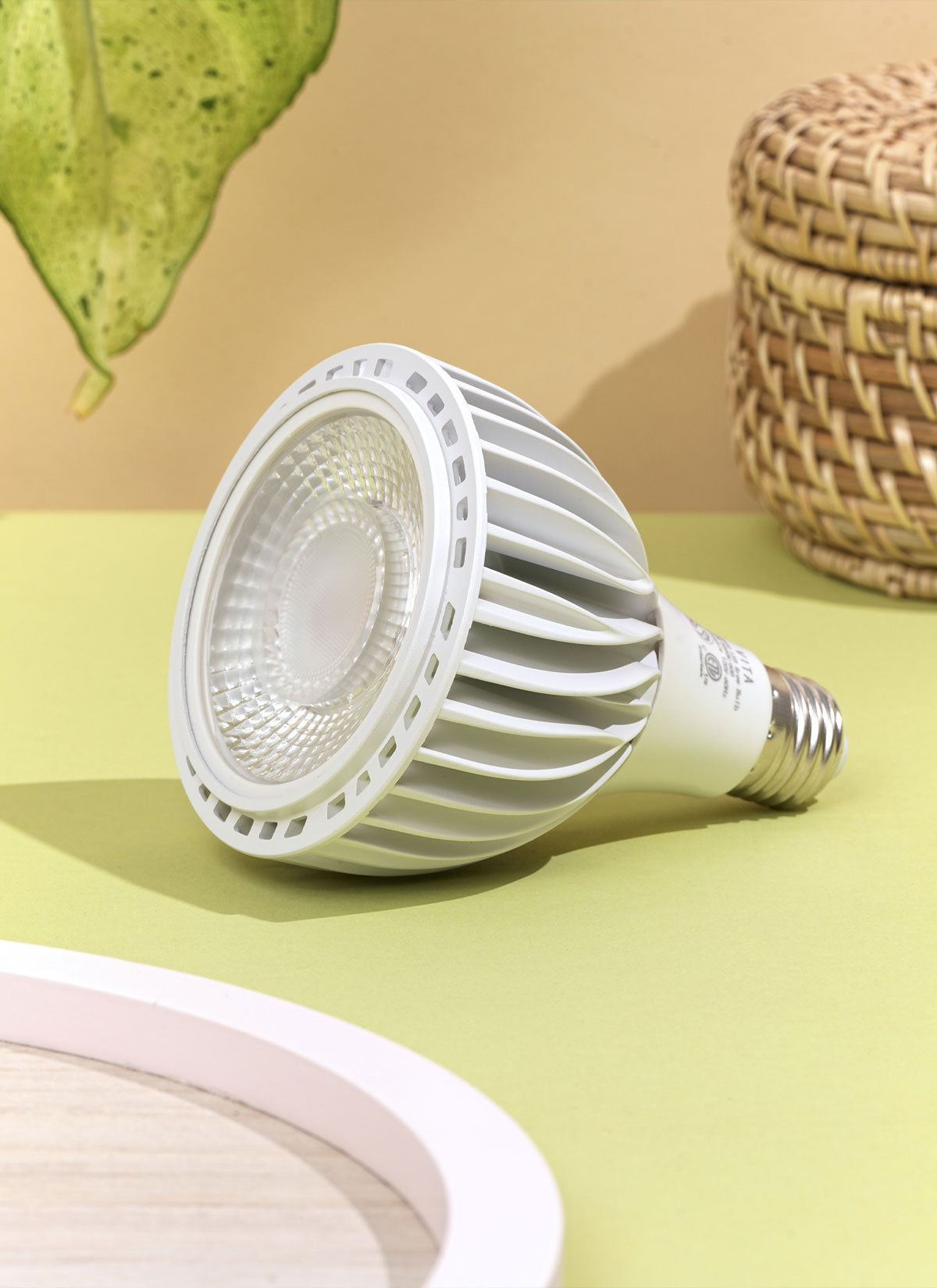
The Living Stone Plant requires intense, bright direct sunlight for several hours a day to maintain its compact shape and prevent stretching (etiolation). The best location is a south-facing window. Without enough direct sun, the plant will become weak and lose its natural camouflage shape.

Discover Our Grow Lights

BEST SELLER
Vita™ Grow Light
$85.00

Color:

White / Wide (60°) Black / Wide (60°)
Highland™ LED Track Light System
$230.00 - $740.00

Color:

White / 1 light / Narrow (36 Degrees) Black / 1 light / Narrow (36 Degrees)

Watering

Quick Tip: Water only when the leaves look soft or slightly shriveled. NEVER water when the plant is splitting.

Watering is crucial and based on the plant’s specific growth cycle. Water thoroughly but sparingly, primarily during its growing period (late spring/early autumn). Do not water at all during the winter dormancy or when the plant is actively splitting and forming new leaves, as this can cause the new leaves to rot.

Temperature

Preferred Temperature: 65º - 80º

The Living Stone Plant prefers warm, stable temperatures during the day. It can tolerate slightly cooler temperatures at night (around 50-60°F), which can encourage stronger growth. It must be protected from freezing temperatures.

Humidity

Preferred Humidity: 30 - 50%; Low/Moderate Humidity

As a desert plant, the Living Stone Plant requires low humidity. High humidity and poor air circulation can contribute to fungal growth and stem rot. No misting or humidity trays are necessary.

Additional Plant Care

Propagation
The easiest ways to propagate the Living Stone Plant are by division or from seeds. Division: Carefully divide a mature plant clump that has several "heads." Seeds: Sow seeds on the surface of a sandy, well-draining soil mix.
Toxicity
The Living Stone Plant is non-toxic to humans and animals. This plant is safe for households with children and pets.
Repotting
The Living Stone Plant is a slow grower and develops a large taproot, so it needs a deep pot. When to Repot: Repotting is typically only necessary every 2-3 years, or when the plant has completely outgrown its pot. The best time to repot is in the spring. Choose a Pot: Select a pot that is deep enough to accommodate its long taproot and has drainage holes. Repot: Use a fresh, gritty soil mix.
Pruning
Pruning is not necessary for the Living Stone Plant. The plant naturally recycles its old leaves as the new leaves grow, so the old leaves should be left to wither and dry naturally.
Fertilizer
The Living Stone Plant is adapted to nutrient-poor soil and generally does not need fertilizer. If you choose to fertilize, use a very highly diluted, low-nitrogen fertilizer once or twice during the early growing season. Over-fertilizing can be harmful.
Soil
The right soil is crucial for a healthy Living Stone Plant. Ideal Mix: The plant requires an extremely gritty, fast-draining soil mix with minimal organic matter. Recommended Blend: A good mix is 80-90% inert material like pumice, perlite, or coarse sand, and only 10-20% cactus potting soil. Important Tip: Always use a pot with a drainage hole to ensure excess water can escape immediately and prevent root rot.

Hanging Heights

Living Stone Lighting Requirements: Full Sun (Bright Direct Light) & High Light (Bright Indirect Light)

Today it's one of the most popular indoor plants worldwide. It is appreciated for its adaptability, low maintenance needs, and cultural symbolism. This guide covers light, water, soil, environment, pruning, and setup so your Lucky bamboo can thrive long-term.

Not every plant belongs in a bedroom. You want plants that are low-maintenance, don't release strong scents that could disrupt sleep, and can handle the lower light conditions that most bedrooms naturally have. Get those three things right and you've got a bedroom that works for you around the clock.

Plants grown under supplemental full-spectrum lighting show faster growth than those relying on ambient indoor light alone. A thriving indoor plant wall comes down to one thing above everything else: getting the light right. This guide covers everything from wall structure and plant selection to lighting setup, watering systems, and long-term care so your wall looks intentional, not accidental.