• Login
Search Login

Search anything about Plant Lighting, Content, and More.

Philodendron 'Ring of Fire'

SCIENTIFIC NAME: Philodendron 'Ring of Fire' (A hybrid of P. tortum x P. wendlandii)

 KNOWN AS: Ring of Fire, Variegated Philodendron Ring of Fire

CLIMATE (LOCATION): Hybrid | Tropical Parentage

DESCRIPTION: The Ring of Fire is a slow-growing, highly sought-after designer Philodendron. It is famous for its long, serrated (saw-tooth) leaves that feature a "fireworks" display of variegation. A single leaf can contain splashes of cream, yellow, orange, and deep red against a forest-green base. Because it is a hybrid, every leaf is unique, making it a true living piece of art.

Philodendron 'Ring of Fire' Plant Care

Lighting

Light Requirement: High Light (Bright Indirect Light)
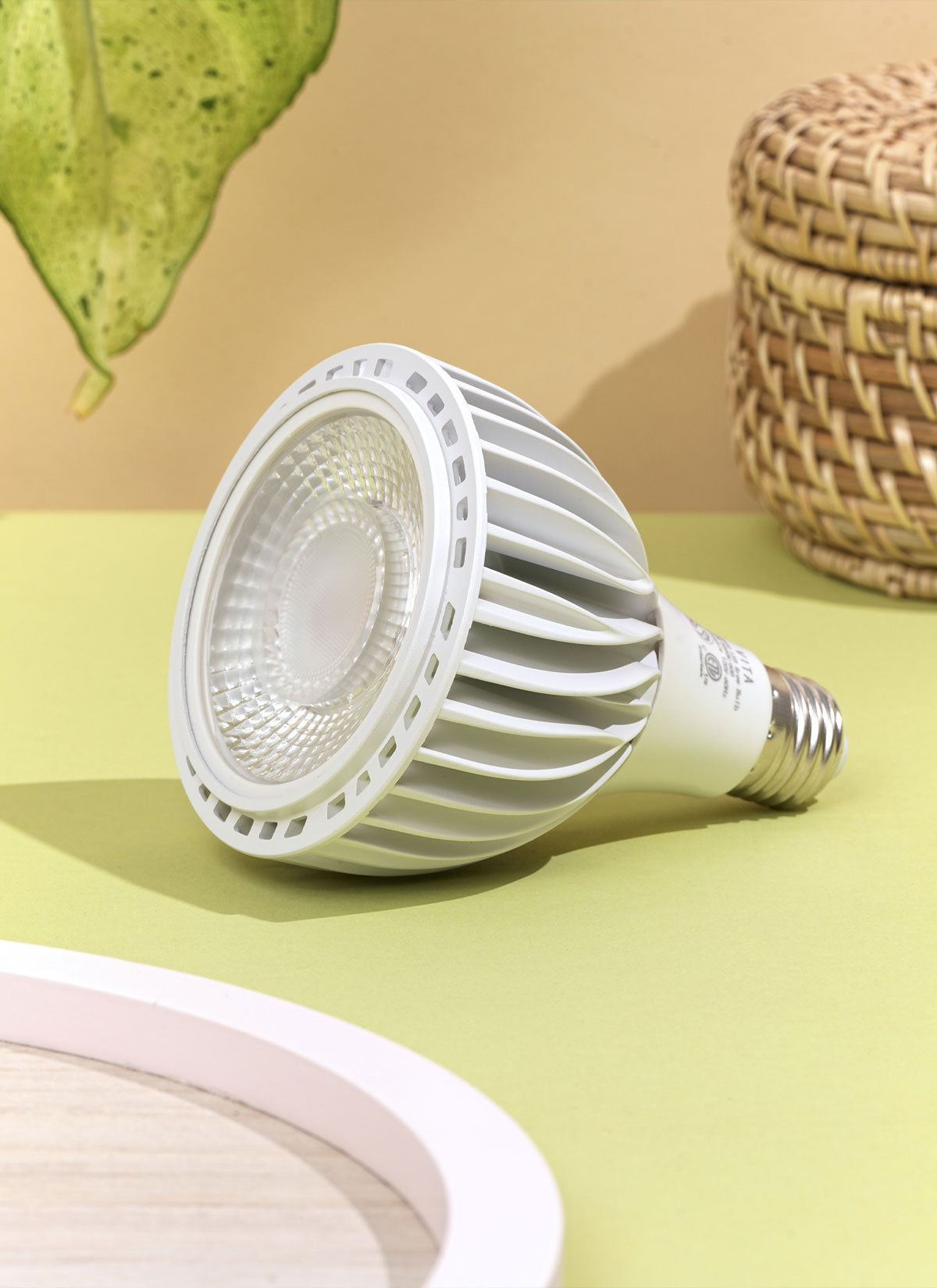
To maintain the fiery orange and red variegation, this plant needs bright, indirect light. If the light is too low, the new leaves will emerge mostly green and lose their "flame" colors. Avoid direct afternoon sun, which can easily bleach the creamy variegated patches and cause permanent brown scorch marks.

Discover Our Grow Lights

BEST SELLER
Vita™ Grow Light
$85.00

Color:

White / Wide (60°) Black / Wide (60°)
Highland™ LED Track Light System
$230.00 - $740.00

Color:

White / 1 light / Narrow (36 Degrees) Black / 1 light / Narrow (36 Degrees)

Watering

Quick Tip: Water when the top 50% of the soil is dry. Do not allow the plant to sit in standing water.

The Ring of Fire is sensitive to overwatering. Use the "soak and dry" method: water thoroughly until it drains, then wait until the soil has dried out significantly before watering again. Using distilled or filtered water can help prevent the variegated sections from turning brown at the tips.

Temperature

Preferred Temperature: 65º - 85º

This hybrid loves warmth and stability. It is extremely sensitive to cold drafts and temperatures below 60°F. Keep it away from air conditioners in the summer and drafty windows in the winter. Sudden temperature drops can lead to stunted growth or leaf drop.

Humidity

Preferred Humidity: 60 - 80%; High Humidity

While it can adapt to average home humidity, the Ring of Fire produces much larger and more colorful leaves in high humidity. Low humidity can cause the saw-tooth edges of the leaves to become crispy. A humidifier or an IKEA greenhouse cabinet is the best way to keep this collector's plant happy.

Additional Plant Care

Propagation
Propagation is best achieved through stem cuttings. How to Propagate: Ensure your cutting has at least one node and an aerial root. Because this plant grows in a tight, self-heading/climbing hybrid form, nodes can be close together. Rooting in sphagnum moss or perlite is much safer than water to prevent rotting.
Toxicity
Quick Warning: The Philodendron 'Ring of Fire' is toxic to humans and animals. It contains calcium oxalate crystals, which cause immediate burning of the mouth and throat, swelling, and digestive distress if ingested. Keep this high-value plant out of reach of pets.
Repotting
This plant is a relatively slow grower and does not need frequent repotting. When to Repot: Every 2 years or when roots circle the bottom of the pot. Choose a Pot: A pot 1–2 inches larger with excellent drainage. Support: While it is a "self-heading" hybrid, it eventually benefits from a moss pole or cedar plank to support its heavy, serrated leaves as it matures.
Pruning
Pruning is rarely necessary except for maintenance. Maintenance: Remove any old or damaged lower leaves at the base of the stem with sterilized shears. Cleaning: The complex shape of the serrated leaves can trap dust. Use a soft, damp cloth to gently wipe the foliage once a month to ensure maximum photosynthesis and "glow."
Fertilizer
Ring of Fire is a moderate feeder during the growing season. What to Use: A balanced liquid fertilizer diluted to half strength. When to Apply: Once a month during the spring and summer. Avoid fertilizing in the winter to prevent nutrient burn.
Soil
A "chunky" aroid mix is the secret to a thriving Ring of Fire. Ideal Mix: A mix that provides maximum aeration and fast drainage. Recommended Blend: 1 part potting soil, 1 part orchid bark, and 1 part perlite. Adding horticultural charcoal is highly recommended to filter impurities and prevent root rot.

Hanging Heights

Philodendron 'Ring of Fire' Lighting Requirements: High Light (Bright Indirect Light)

If you love a clean, intentional home, you already know this feeling. You want lush, thriving plants. But most grow lights look like they belong in a greenhouse, not a carefully styled living room.

The good news? That has changed. A new generation of grow lights was designed with real homes in mind, and a few of them fit a minimalist aesthetic so naturally that guests won't know what they're looking at. They'll just notice your plants look really good.

Here are three Soltech grow lights worth considering if the look of your space matters as much as the health of your plants.

The secret to styling a statement plant in a small apartment is to build upward instead of outward: pick one bold focal plant per zone, lift it off the floor or tuck it into a dead corner, and give it enough light to actually thrive. This guide covers which plants make the biggest impact, how to place them without crowding your space, the light they need, and a simple step-by-step for styling them.

Today it's one of the most popular indoor plants worldwide. It is appreciated for its adaptability, low maintenance needs, and cultural symbolism. This guide covers light, water, soil, environment, pruning, and setup so your Lucky bamboo can thrive long-term.