• Login
Search Login

Search anything about Plant Lighting, Content, and More.

Sago Palm

SCENTIFIC NAME: Cycas revoluta

KNOWN AS: Sago Palm, King Sago Palm, Japanese Sago Palm

CLIMATE (LOCATION): Japan | Subtropical

DESCRIPTION: The Sago Palm is a slow-growing, prehistoric-looking plant known for its stiff, feathery fronds that form a rosette. Despite its name, it is not a true palm but a cycad. This plant is a beautiful, low-maintenance houseplant that adds a touch of the tropics to any home.

Sago Palm Plant Care

Lighting

Light Requirement: Full Sun (Bright Direct Light) & High Light (Bright Indirect Light); Low Light Tolerant

The Sago Palm thrives in bright, indirect light. It can tolerate a few hours of direct morning sunlight, but it should be protected from harsh afternoon sun, which can scorch its leaves.

Discover Our Grow Lights

SAVE 20%
Aspect™ Gen 2 LED Growlight
$160.00 $200.00

Color:

White Black
SAVE 10%
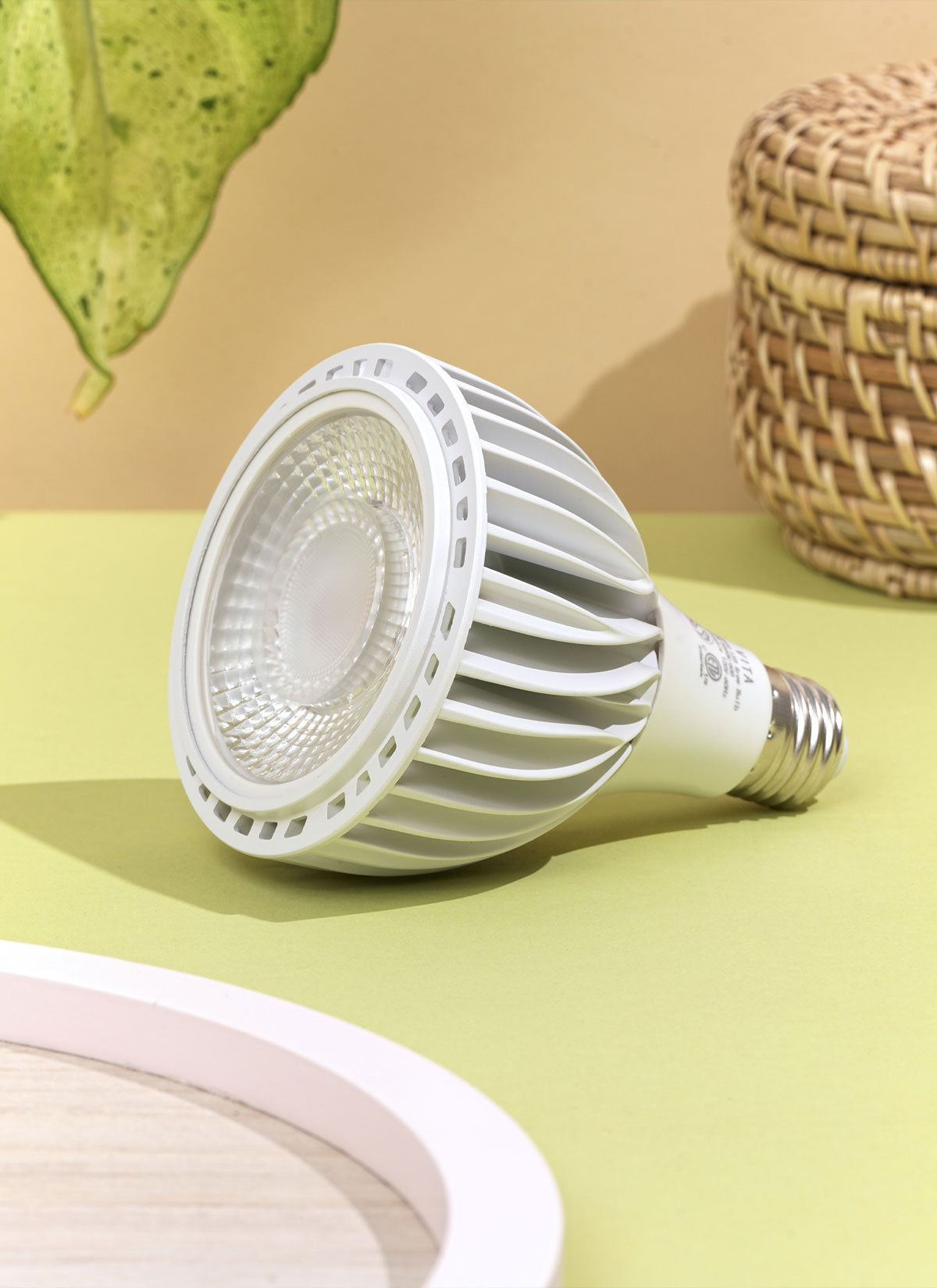
Vita™ Grow Light
$76.50 $85.00

Color:

White / Wide (60°) Black / Wide (60°)
SAVE UP TO 30%
Highland™ LED Track Light System
$184.00 - $518.00 $740.00

Color:

White / 1 light / Narrow (36 Degrees) Black / 1 light / Narrow (36 Degrees)
SAVE 20%
Grove™ LED Grow Light
$104.00 $130.00

Color:

Black White

Watering

Quick Tip: Allow soil to completely dry out before watering.

The Sago Palm is a drought-tolerant plant and is very susceptible to overwatering, which is the most common cause of root rot. Water thoroughly only when the soil is completely dry to the touch. Reduce watering significantly in the fall and winter dormant season.

Temperature

Preferred Temperature: 65º - 75º

The Sago Palm prefers warm, stable temperatures. The ideal range is between 65-75°F. It is sensitive to cold and should be kept away from drafts and temperatures below 50°F.

Humidity

Preferred Humidity: 30 - 50%; Low/Moderate Humidity

The Sago Palm is a plant that can tolerate average home humidity but thrives with a little extra moisture. Using a pebble tray or misting can provide enough moisture.

Additional Plant Care

Propagation
The easiest way to propagate a Sago Palm is by planting the pups or offsets that grow at the base of the plant. Carefully remove the pup with a clean knife, ensuring it has some roots. Plant it in a small pot with fresh, well-draining soil.
Toxicity
The Sago Palm is highly toxic to humans and animals. All parts of the plant are poisonous, especially the seeds. Ingestion can cause severe vomiting, diarrhea, and potentially fatal liver failure. It is extremely important to keep the Sago Palm out of reach of children and pets.
Repotting
The Sago Palm is a slow-growing plant that prefers to be a bit root-bound. Repotting is typically only necessary every 3-4 years. The best time to repot is in the spring or summer. Select a new pot that is only slightly larger than the old one and has drainage holes. Use fresh, well-draining soil and carefully place the plant in the new pot.
Pruning
Pruning is a simple task to keep your Sago Palm looking its best. Trim away any old, yellowing, or damaged fronds. Use clean, sharp shears to cut the frond off at the trunk. This helps the plant maintain a tidy appearance.
Fertilizer
Sago Palms benefit from regular fertilization during the growing season. A balanced, slow-release or liquid fertilizer is ideal. Fertilize once a month during the spring and summer growing season. Do not fertilize during the fall and winter.
Soil
The right soil is crucial for a healthy Sago Palm. The plant requires a very well-draining soil mix. A good mix is a cactus or succulent potting mix amended with extra sand or perlite. Always use a pot with a drainage hole to ensure excess water can escape and prevent root rot.

Hanging Heights

Sago Palm Lighting Requirements: Full Sun (Bright Direct Light) & High Light (Bright Indirect Light); Low Light Tolerant

Succulents are unique in the plant world because they have evolved to store water in their leaves, stems, and roots. Because of this adaptation, they require a specific growing environment that differs significantly from traditional houseplants. The most critical element of this environment is the soil. Choosing the wrong substrate can lead to common issues like root rot, while the right mixture allows your plants to thrive for years.

Arbor Day stands as a landmark in environmental history, representing a dedicated effort to promote the planting and preservation of trees. Established in the late 19th century, this observance transitioned from a local initiative to a globally recognized movement focused on resource management and environmental health.

Choosing the right water for your houseplants is just as critical as selecting the proper soil or light. While most plants are resilient, the chemical composition of your water can significantly impact long-term health, foliage color, and root development.