SCIENTIFIC NAME: Platycerium bifurcatum
KNOWN AS: Staghorn Fern, Elkhorn Fern
CLIMATE (LOCATION): Australia, Southeast Asia & Africa | Tropical & Temperate
DESCRIPTION: The Staghorn Fern is a unique and impressive plant named for its forked, antler-like fronds. As an epiphyte, it grows on other plants in its native habitat and is typically mounted on a board for indoor display. This fern is a dramatic statement piece that adds an exotic, natural feel to any space.

Light Requirement: Medium Light (Medium Indirect Light) to High Light (Bright Indirect Light)


Quick Tip: The best watering method is to soak your plant.
Preferred Temperature: 60º - 80º
Preferred Humidity: 50 - 80%; Moderate/High Humidity
Staghorn Fern Lighting Requirements: Medium Light (Medium Indirect Light) to High Light (Bright Indirect Light)


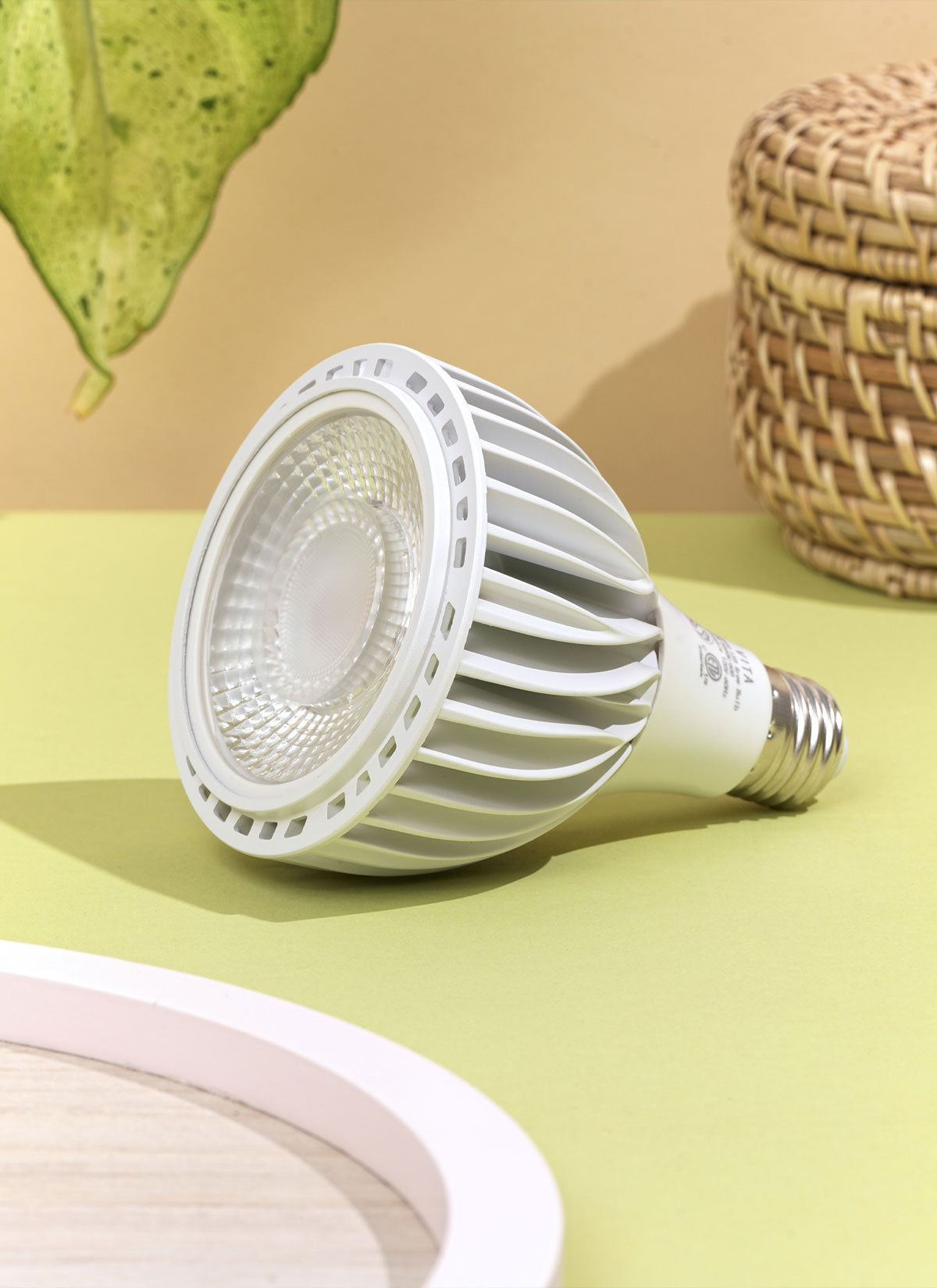
Vita Hanging Heights - Staghorn Fern
-
Soltech's Recommendation -
36º Narrow Beam Vita : 24" to 36"
60º Wide Beam Vita : 12" to 24"
-

Highland Hanging Heights - Staghorn Fern
-
Soltech's Recommendation -
36º Narrow Beam Highland : 30" to 42"
60º Wide Beam Highland : 18" to 30"
-


he key to a thriving summer plant collection is simple: match each plant to the right amount of light, water based on how dry the soil is rather than a fixed schedule, and shield sensitive leaves from harsh midday sun. This guide covers which plants love the season, how to water and light them as temperatures rise, how to prevent leaf scorch, and when it makes sense to move plants outdoors.

Good indoor plant design comes down to a few repeatable principles: match each plant to its light, vary height and scale, group in odd numbers, and give every arrangement one clear focal point. This guide breaks those principles down, walks through plant placement room by room, and covers what to do when your best-looking spot does not get enough light.

You've got a pothos on the windowsill. Maybe a snake plant in the corner. And somewhere along the way, you started wondering if there's more to it than that.
There is.
The apartments that feel truly alive, the ones you scroll past on Pinterest and instantly want to live in, aren't just homes with a few plants in predictable spots. They're intentional. A trailing vine above the kitchen cabinets. A lush fern tucked into the bathroom. A sculptural snake plant in the entryway that makes you feel like you've arrived somewhere good.
A lot of those looks are more achievable than they seem. And with the right plant, and sometimes a little help from a grow light, even the darker, more forgotten corners of your apartment can become something worth noticing.
Here are five unexpected places to bring your plant styling ideas to life.


