• Login
Search Login

Search anything about Plant Lighting, Content, and More.

Syngonium

SCIENTIFIC NAME: Syngonium podophyllum 

KNOWN AS:'Pink Splash', Pink Splash Syngonium, Arrowhead Plant

CLIMATE (LOCATION): Central & South America | Tropical Rainforest

DESCRIPTION: The Syngonium 'Pink Splash' is a stunning vining plant known for its arrowhead-shaped leaves with beautiful, unique splashes of vibrant pink variegation. Its elegant foliage and vigorous growth make it a fantastic choice for shelves or as a climbing plant.

Syngonium Plant Care

Lighting

Light Requirement: Medium Light (Medium Indirect Light) to High Light (Bright Indirect Light)
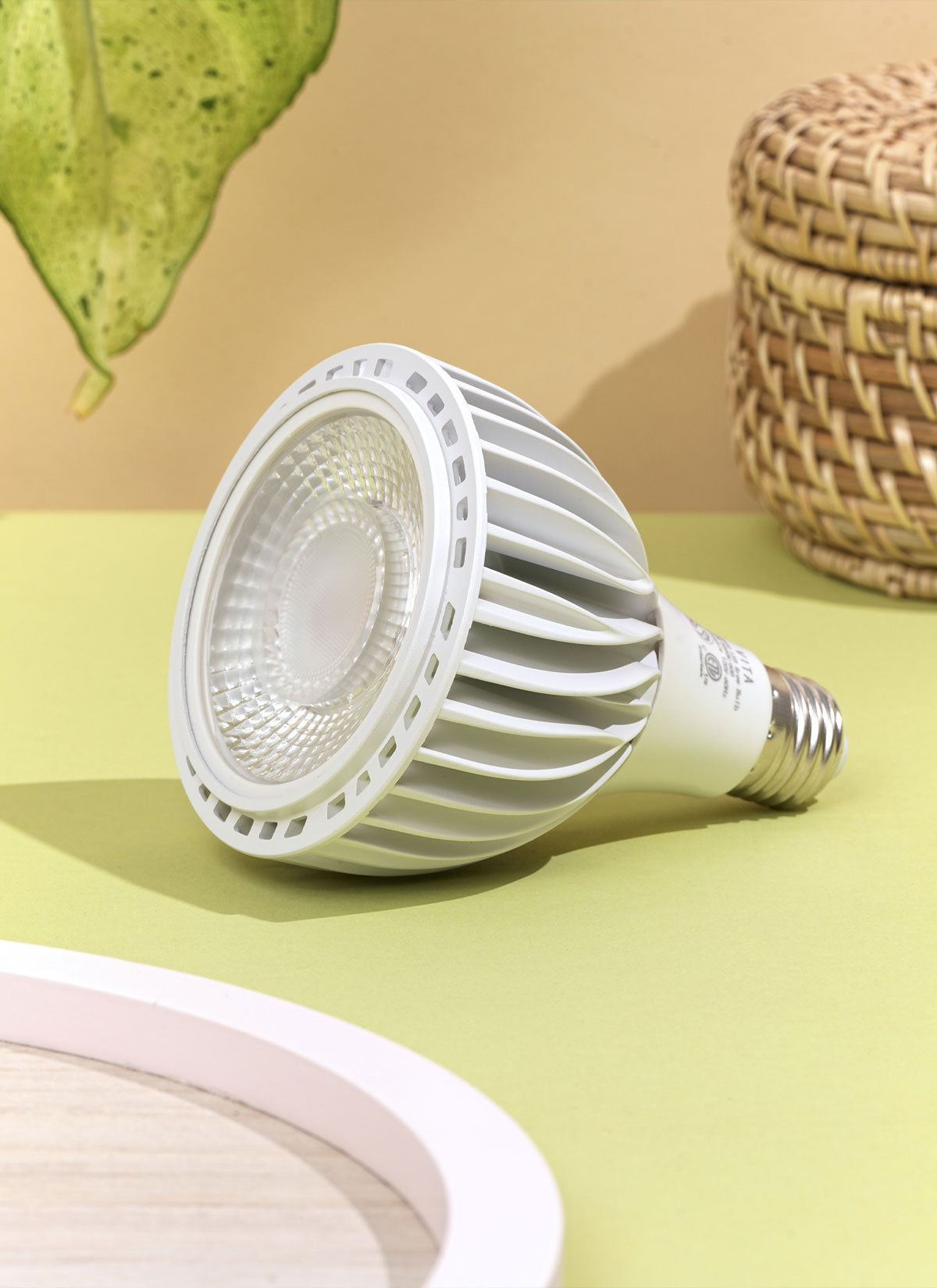
The Syngonium 'Pink Splash' thrives on bright, indirect light. The more light it gets, the more vibrant its pink splashes will be. Insufficient light can cause the variegation to fade. Avoid direct sunlight, as it can easily burn its leaves.

Discover Our Grow Lights

BEST SELLER
Vita™ Grow Light
$85.00

Color:

White / Wide (60°) Black / Wide (60°)
Highland™ LED Track Light System
$230.00 - $740.00

Color:

White / 1 light / Narrow (36 Degrees) Black / 1 light / Narrow (36 Degrees)

Watering

Quick Tip: Water when the top 1-2 inches of soil are dry.

As an epiphyte, the Dischidia is sensitive to overwatering. Water thoroughly when the soil is completely dry to the touch, and allow the excess water to drain away. It's best to use distilled or filtered water to prevent mineral buildup.

Temperature

Preferred Temperature: 65º - 85º

The Syngonium 'Pink Splash' prefers warm, stable temperatures. The ideal range is between 65-80°F. It is sensitive to cold and should be kept away from drafts and sudden temperature changes.

Humidity

Preferred Humidity: 40 - 60%; Moderate Humidity

The Syngonium 'Pink Splash' appreciates moderate to high humidity. You can increase the humidity around your plant by using a humidifier, misting its leaves, or placing the pot on a tray of pebbles with water.

Additional Plant Care

Propagation
The Syngonium 'Pink Splash' is easily propagated by stem cuttings. Use clean shears to cut a piece of vine that has a few leaves and at least one node. Place the cutting in a glass of water or a moist potting mix. New roots will form from the node within a few weeks.
Toxicity
The Syngonium 'Pink Splash' is toxic to humans and animals. The plant contains calcium oxalate crystals, which can cause irritation, swelling, and a burning sensation in the mouth and throat if ingested. It is important to keep the Syngonium 'Pink Splash' out of reach of children and pets.
Repotting
The Syngonium 'Pink Splash' is a fast-growing plant that may need to be repotted every year. The best time to repot is in the spring or summer when the plant has outgrown its pot. Select a new pot that is slightly larger than the current one and has drainage holes. Use fresh, well-draining soil and carefully place the plant in the new pot, filling in the sides with fresh soil.
Pruning
Pruning is a great way to maintain the shape and size of your Syngonium 'Pink Splash'. Trim away any yellowing or damaged leaves. You can also trim back long, leggy vines to encourage a fuller, bushier plant. Use clean, sharp shears to cut the vines just above a leaf node. The trimmed cuttings can be used for propagation.
Fertilizer
Syngonium 'Pink Splash' plants benefit from regular fertilization during the growing season. A balanced, water-soluble fertilizer diluted to half strength is ideal. Fertilize once a month during the spring and summer growing season. Do not fertilize during the fall and winter.
Soil
The right soil is crucial for a healthy Syngonium 'Pink Splash'. The plant requires a well-draining soil that is rich in organic matter. A good mix is a standard potting soil amended with perlite to improve drainage. Always use a pot with a drainage hole to ensure excess water can escape and prevent root rot.

Hanging Heights

Syngonium Lighting Requirements: Medium Light (Medium Indirect Light) to High Light (Bright Indirect Light)

Outdoor sunlight peaks at around 10,000 foot-candles, but a well-lit room indoors usually measures under 100. The best grow light for your plant comes down to matching the light's output and form to your plant's light category.

Healthy houseplants depend on 17 essential nutrients, and 14 of them come from the soil in the pot. The best setup for most indoor plants is a loose, well-draining soilless mix paired with a diluted, balanced fertilizer applied only while the plant is actively growing. This guide covers what goes into a good potting mix, how to read a fertilizer label, how often to feed, and how to spot the signs of too much of a good thing.

Plenty of proud plant owners cannot actually name the leafy thing growing on the windowsill. The good news is that you can identify most houseplants by reading five visible clues: leaf shape, leaf arrangement, growth habit, stem or trunk type, and any flowers or markings, then matching those clues against a trusted plant database or free app. Knowing the name is the first step toward giving your plant the right care, especially the right amount of light.