• Login
Search Login

Search anything about Plant Lighting, Content, and More.

Variegated Jade Plant

SCIENTIFIC NAME: Crassula ovata 'Variegata'

KNOWN AS: Variegated Jade, Tricolor Jade, Lemon & Lime Jade

CLIMATE (LOCATION): South Africa | Arid / Succulent

DESCRIPTION: The Variegated Jade is a stunning, cream-and-green version of the classic "Money Tree." It features thick, woody stems and fleshy leaves adorned with stripes of ivory, pale yellow, and sage green. Under high light or cooler temperatures, the leaf edges often blush with a delicate pink or bright red, giving it a "Tricolor" appearance. It is a slow grower that feels like a living sculpture.

Variegated Jade Plant Plant Care

Lighting

Light Requirement: Full Sun (Bright Direct Light) & High Light (Bright Indirect Light)

Because the white and cream parts of the leaves lack chlorophyll, this plant needs more light than a solid green Jade to thrive. Provide at least 4–6 hours of bright light daily. A south-facing window is ideal. Without enough light, the plant will lose its variegation, turn solid green, and become "leggy."

Discover Our Grow Lights

SAVE 20%
Aspect™ Gen 2 LED Growlight
$160.00 $200.00

Color:

White Black
SAVE 15%
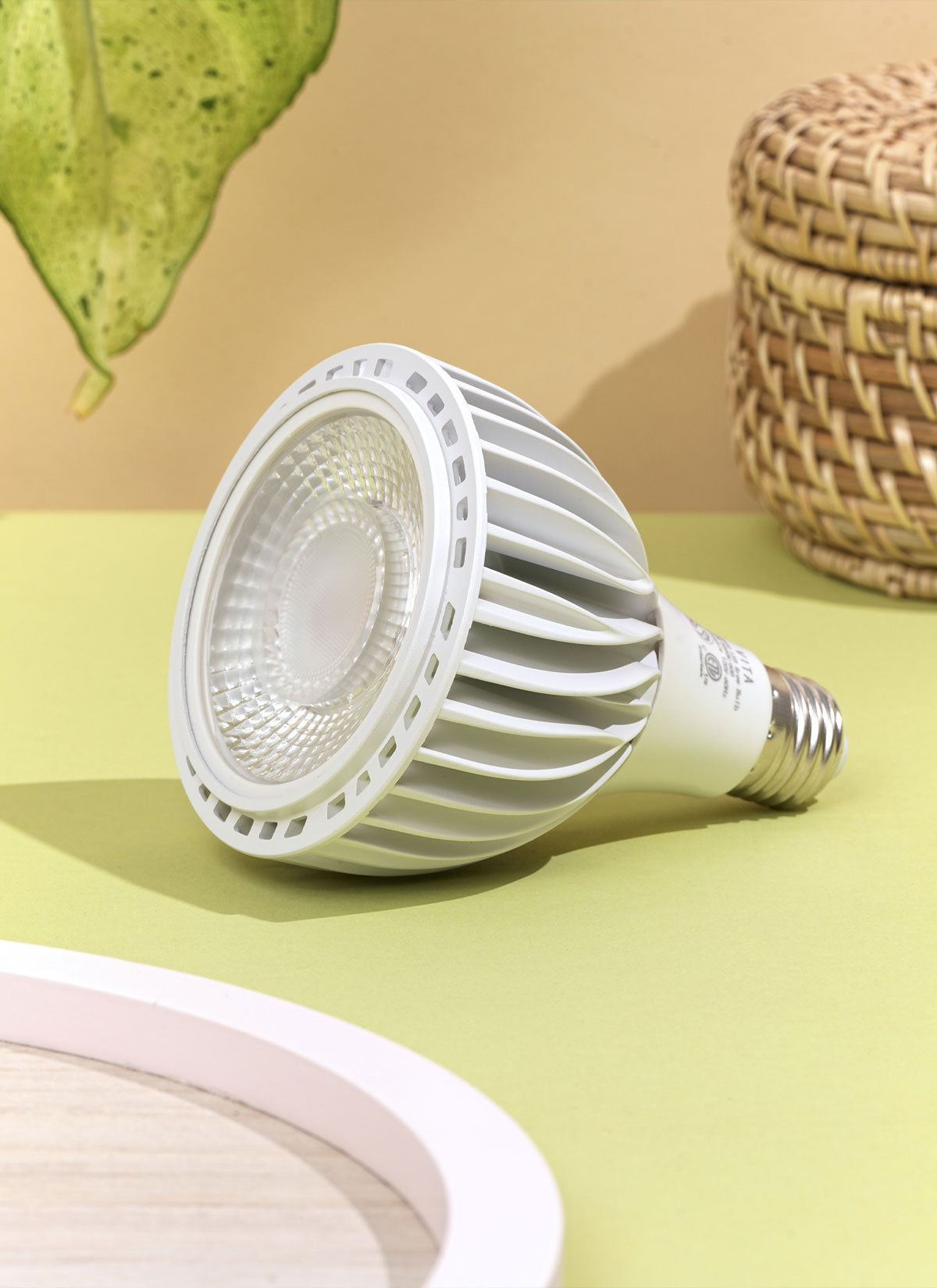
Vita™ Grow Light
$72.25 $85.00

Color:

White / Wide (60°) Black / Wide (60°)
SAVE UP TO 30%
Highland™ LED Track Light System
$195.50 - $518.00 $740.00

Color:

White / 1 light / Narrow (36 Degrees) Black / 1 light / Narrow (36 Degrees)
SAVE 20%
Grove™ LED Grow Light
$104.00 $130.00

Color:

Black White

Watering

Quick Tip: Water only when the soil is 100% dry. Check the leaves for wrinkles.

The Variegated Jade is highly susceptible to root rot. Use the "soak and dry" method: drench the soil until water runs out of the drainage holes, then wait until the pot feels light and the soil is bone-dry. The Drought Sign: If the fleshy leaves look slightly wrinkled or feel flexible rather than firm, the plant is ready for a drink.

Temperature

Preferred Temperature: 65º - 85º

This plant thrives in standard home temperatures. It can tolerate temperatures as low as 50°F, which often triggers the beautiful pink leaf edges. However, it is not frost-hardy. Keep it away from freezing windows and cold winter drafts.

Humidity

Preferred Humidity: 30 - 50%; Low/Moderate Humidity

The Variegated Jade loves dry air. It does not need misting or humidifiers. In fact, excess humidity can lead to fungal spots on the beautiful variegated leaves. Good air circulation is key to keeping the foliage pristine.

Additional Plant Care

Propagation
Like all Jades, this variety is easily propagated from stem or leaf cuttings. How to Propagate: Take a cutting and let it "callus" (dry out) for 3–5 days. Once the cut end is hard, place it in succulent soil. Note: Variegated Jades can sometimes "revert" to all-green or produce "albino" (all-white) pups. Albino pups cannot survive on their own as they lack chlorophyll; always ensure your cutting has some green sections.
Toxicity
Quick Warning: Toxic to cats, dogs, and humans. Ingestion can cause vomiting, lethargy, and a slow heart rate in pets. Keep this plant on a high, sunny shelf away from curious animals.
Repotting
Jades are slow-growing and prefer to be slightly root-bound. When to Repot: Every 3–4 years in the spring. Choose a Pot: Use a heavy terracotta or ceramic pot to balance the plant’s top-heavy weight. Ensure it has large drainage holes. Repot: Use a fresh, dry cactus mix. Wait a week before watering to let the roots settle.
Pruning
Pruning helps maintain its compact, tree-like shape. Maintenance: Pinch off the tips of the branches to encourage "branching" and a fuller look. Managing Reversion: If the plant starts growing solid green stems, prune them back to the last variegated leaf to encourage the patterned growth to return.
Fertilizing
The Variegated Jade is a light feeder. What to Use: A liquid succulent fertilizer diluted to half strength. When to Apply: Once a month during the spring and summer. Avoid fertilizing in the winter.
Soil
Maximum drainage is essential for variegated varieties. Ideal Mix: A gritty cactus and succulent mix. Recommended Blend: 1 part potting soil to 1 part perlite or coarse sand. This ensures that the sensitive roots never sit in stagnant moisture.

Hanging Heights

Variegated Jade Plant Lighting Requirements: Full Sun (Bright Direct Light) & High Light (Bright Indirect Light)

The easiest way to bring houseplants into your home is to start with low-maintenance houseplants like the Snake plant, ZZ plant, Pothos, Heartleaf philodendron, and Peperomia, then arrange them at different heights so the room feels layered and alive. This guide covers which plants to choose, how to style them for a biophilic look, and what to do when your space is short on natural light.

Outdoor sunlight at midday can reach 10,000 to 12,000 foot-candles, while a room lit only by overhead fixtures often sits around 40 foot-candles or fewer. The trick to styling a grow light is matching its shape (a pendant, a lamp, a freestanding stand, a track, or a screw-in bulb) to your room's layout and your plants' light needs, so the fixture reads as decor first and plant care second.

The Monstera includes dozens of distinct species, and the name itself traces back to the Latin word for “monstrous,” a nod to the dramatic holes and splits that make these plants instantly recognizable. The monsteras you are most likely to meet indoors are Monstera deliciosa, Monstera adansonii, and a small group of variegated and silver-leaved varieties, each different enough to change how you care for them.